Evolutionary Studies Initiative
-

A Conservative Defense: Downstream NFLs resist evolutionary blitzes
Danial Asgari, a postdoctoral researcher in the Tate Lab, and Ann Tate, associate professor of Biological Sciences, recently published a study in Molecular Biology and Evolution titled “How the Structure of Signaling Regulation Evolves: Insights from an Evolutionary Model.” Their findings show that negative feedback loops (or NFLs) acting closer to a cell’s final decisions, such as turning genes on or off, are especially resistant to evolutionary change. Read MoreJun 12, 2025
-
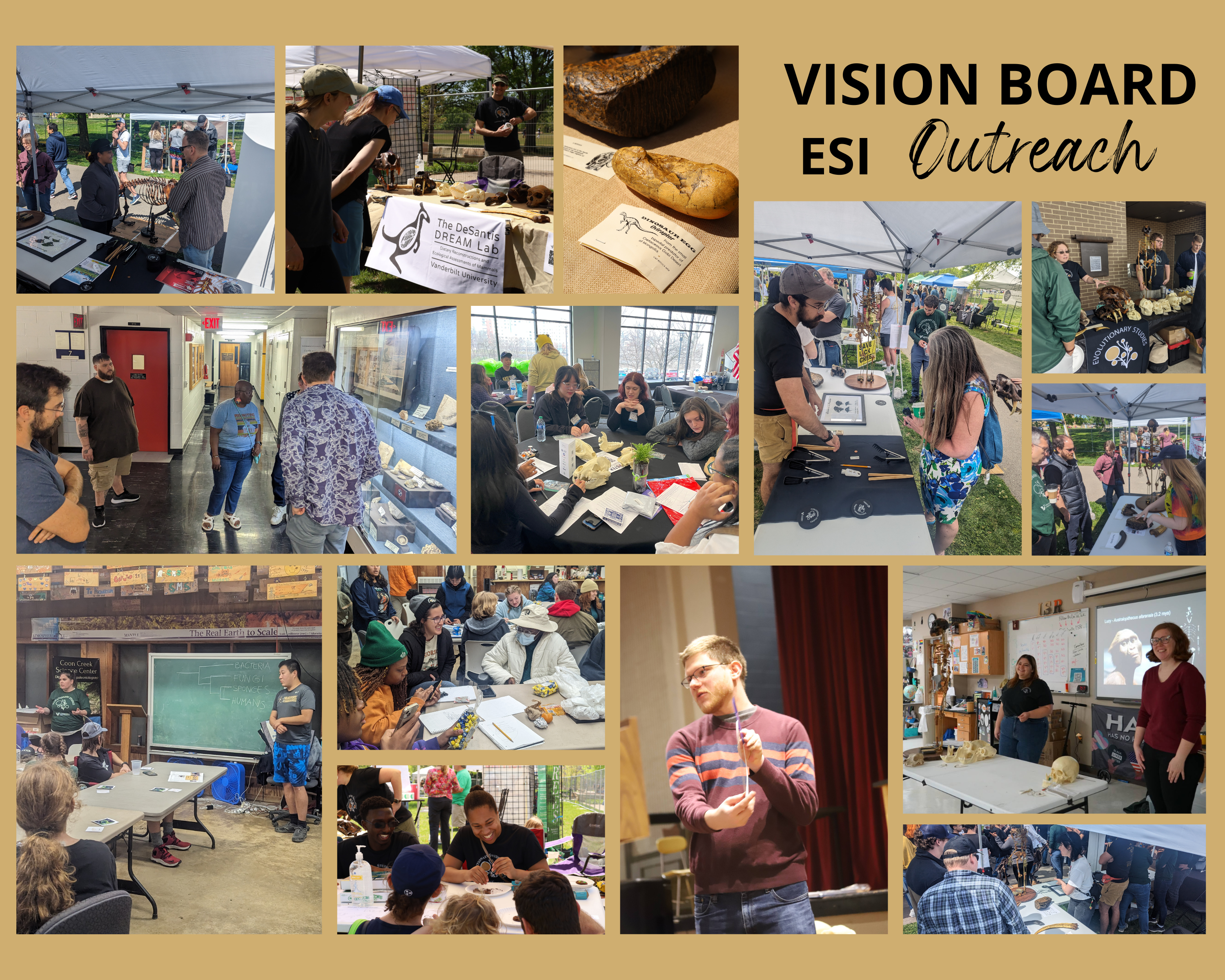
Vanderbilt’s Evolutionary Studies Initiative honored with 2025 Friend of Darwin Award
The National Center for Science Education has named Vanderbilt University’s Evolutionary Studies Initiative as one of its 2025 recipients of the prestigious Friend of Darwin award. This national honor recognizes ESI’s outstanding contributions to advancing public understanding of evolution through interdisciplinary research, education and outreach. Read MoreJun 10, 2025
-
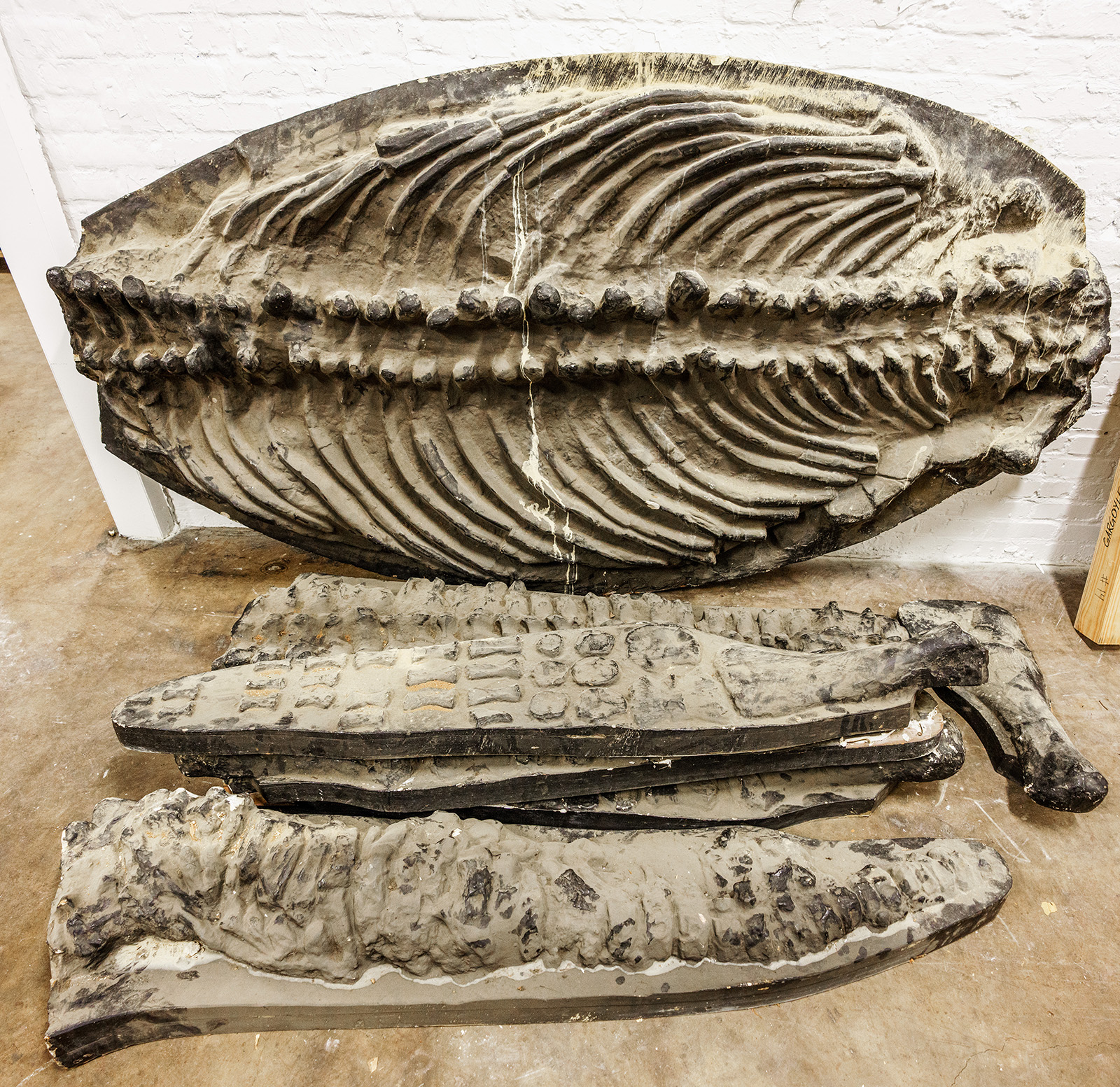
Jurassic Discovery: A long-lost centerpiece of Vanderbilt’s natural history museum from the 1870s is found
The cast of a plesiosaur, a large marine reptile that lived during the Jurassic and Cretaceous periods, that was once a centerpiece of Vanderbilt’s natural history museum from the 1870s has been unearthed in the basement of Branscomb Quad. Read MoreMay 14, 2025
-
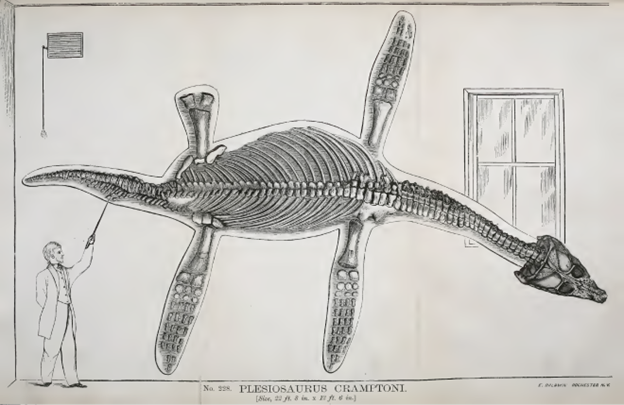
Rediscovering the Lost Plesiosaur (Cast): Restoring Vanderbilt’s Natural History Museum
Research projects investigating the history of evolution at Vanderbilt University led to the rediscovery of a long-lost Crampton’s Plesiosaur Cast from the 1870s. Read MoreAug 29, 2024
-
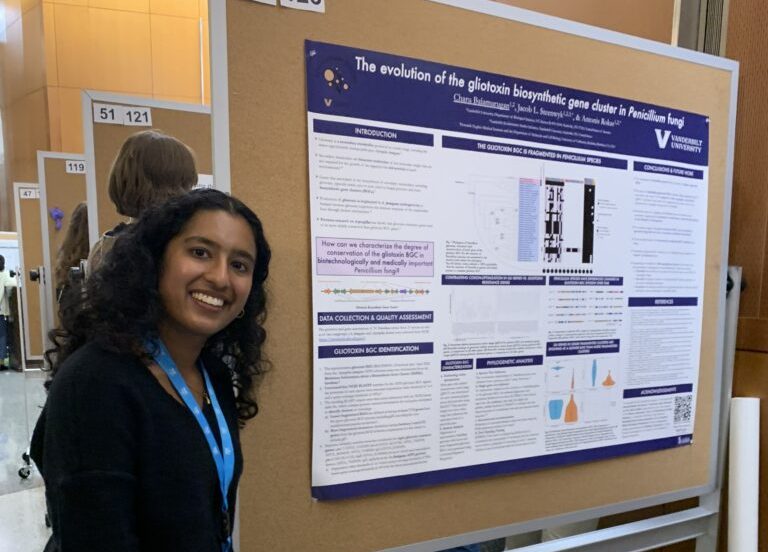
Beckman Scholar Charu Balamurugan unveils evolutionary insights into Penicillium secondary metabolites
Beckman Scholar Charu Balamurugan, an undergraduate researcher in the Rokas lab at Vanderbilt University, has shed light on the intricate evolutionary patterns governing secondary metabolite biosynthesis in fungi. Balamurugan delved deep into the genomes of Penicillium species, uncovering fascinating insights into the conservation and evolution of biosynthetic gene clusters and associated resistance genes. Read MoreApr 4, 2024
-
Insect immune insights: Researchers unveil immune system dynamics
Justin Critchlow, a recent Ph.D. student in Ann Tate’s lab, just published a paper with the labmates Arun Prakash, Katherine Zhong, and Tate, uncovering the intricacies of beetle immune dynamics. This paper sheds light on the dynamics of survival, resilience, and the profound complexities inherent in evolutionary adaptations. Read MoreApr 4, 2024
-

Researchers root US maternal health disparities in the social environment
Monica Keith, assistant professor of anthropology, recently published insights into the complex factors contributing to maternal hypertension and health disparities. This research sheds light on the alarming rates of hypertensive disorders of pregnancy in the United States, particularly among Black mothers. Read MoreOct 17, 2023
-
Evolutionary biologists determine that culture shapes genetics within, not just between, populations
Nicole Creanza and Yakov Pichkar explore whether subtle cultural differences within a language mirror genetic structure within a population. The answer: Even small cultural differences like dialect can influence the spread of people and genes. Read MoreJun 29, 2023
-
Vanderbilt Biologist investigates specialization and its impact on cultural evolution
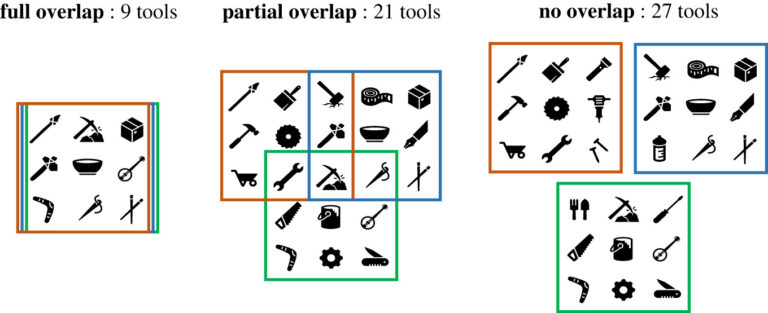
The cultural evolution of a population depends not only on size but also on the degree of specialization within a population, according to a new study published last month by a team of scientists including Nicole Creanza. The study found that populations can increase their cultural repertoire by subdividing knowledge into smaller groups, but the total group must be sufficiently large for specialization to be advantageous. Read MoreApr 20, 2023
-
Vanderbilt Researchers find Evidence for Evolutionary Constraints on Immunity
A new study led by members of Ann Tate’s lab found evidence that pleiotropy may slow down evolution of genes involved in immunity. Read MoreApr 20, 2023
-
Vanderbilt Team finds Evolutionary Support for Induced Defenses
Graduate student Reese Martin and his doctoral advisor, Ann Tate, assistant professor of biological sciences, used theoretical modeling to identify a potential relationship between genetic pleiotropy and the evolution of immune responses. Read MoreApr 13, 2023
-
Trio of Vanderbilt Researchers Identify Variable Outcomes in Experimental Evolution
Sarah Worthan, along with Robert McCarthy and Megan Behringer, led a new effort to understand the effects of the environment on the outcome of experimental evolution studies. Read MoreApr 11, 2023
-
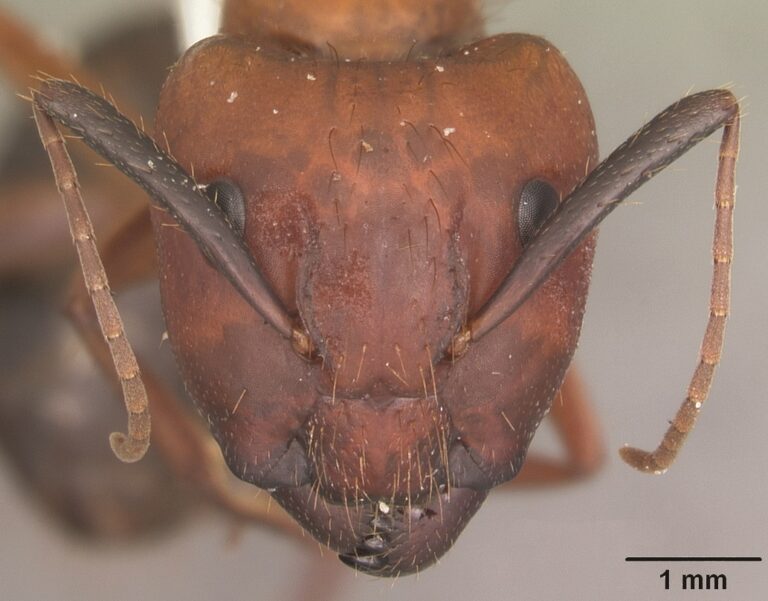
Vanderbilt researcher finds evidence for ant caste systems driven by chemo-sensing responses
Stephen Ferguson, first-author of a new paper with his postdoctoral advisor, Laurence Zwiebel, along with two undergraduates associated with the lab, Isaac Bakis and Nicholas Edwards, confirmed the existence of a specialized soldier caste within an ant species. Read MoreApr 3, 2023
-
Vanderbilt Researcher Identifies Modes of Natural Selection in Understudied Human Populations
Vanderbilt researcher Amanda Lea, along with a global team of experts, has discovered new pathways of natural selection in humans. Read MoreFeb 16, 2023
-
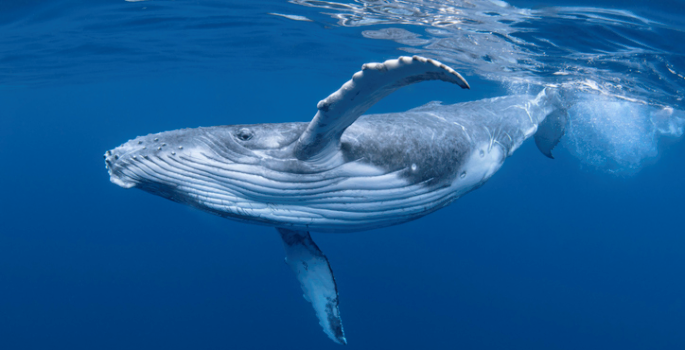
Vanderbilt researcher outlines how whales’ sensory systems have evolved through imaging technology
In a review of 100 years of research on the sensory systems in whales, Rachel Racicot, research assistant professor of biological sciences, describes advances in the field and key questions that remain. Read MoreDec 2, 2021