Eric Skaar
-

Nine faculty honored for outstanding teaching, service during Spring Faculty Assembly
During the Spring Faculty Assembly on April 9, nine faculty members received awards for their significant impact through scholarship, research, creative expression, service, teaching or mentoring. The chancellor also spoke about Vanderbilt’s strength even during uncertain times. Read MoreApr 13, 2026
-

Meet the departments: Unraveling the mysteries of human cells one discovery at a time
Everything you touch was developed by basic science, says Ian Macara, chair of the Department of Cell and Developmental Biology. From food varieties and new crops, to your phone, your computer and the plastics we use every day, everything originally came out of a basic research lab. Macara's department, within the School of Medicine Basic Sciences, aims to train the next generation of scientists to advance basic biomedical research at the cellular, molecular and organismal levels. Read MoreMar 27, 2026
-
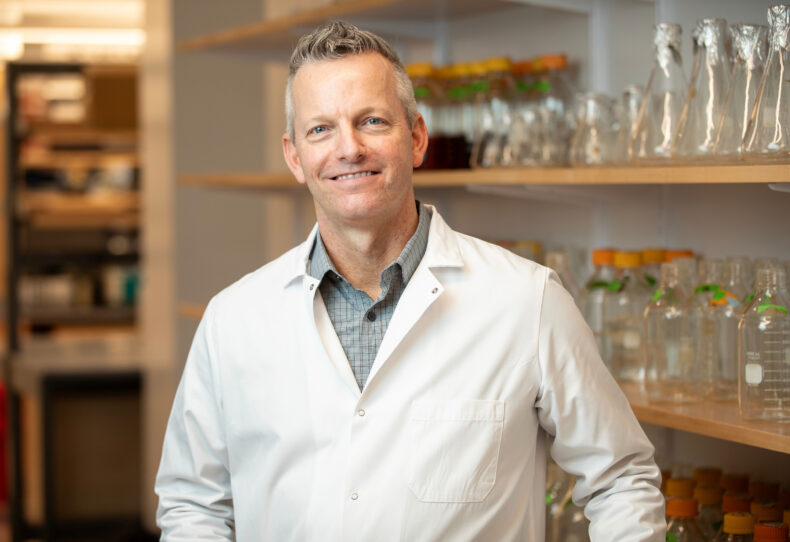
Eric Skaar: Exploring the connection between nutrient access and infection
When bacterial pathogens enter our bodies, they’ve got one goal—hunt for food to multiply. And during the process, they make us sick. Eric Skaar, Ernest W. Goodpasture Professor of Pathology and director of the Vanderbilt Institute for Infection, Immunology and Inflammation, is uncovering how pathogens compete with healthy microbes for essential nutrients. Read MoreAug 6, 2025
-

Seven Vanderbilt faculty research projects get innovation catalyst funding
Vanderbilt’s Innovation Catalyst Fund has awarded seven new faculty-led projects, advancing translational research and innovation in health care, engineering and AI-driven solutions. Read MoreFeb 17, 2025
-
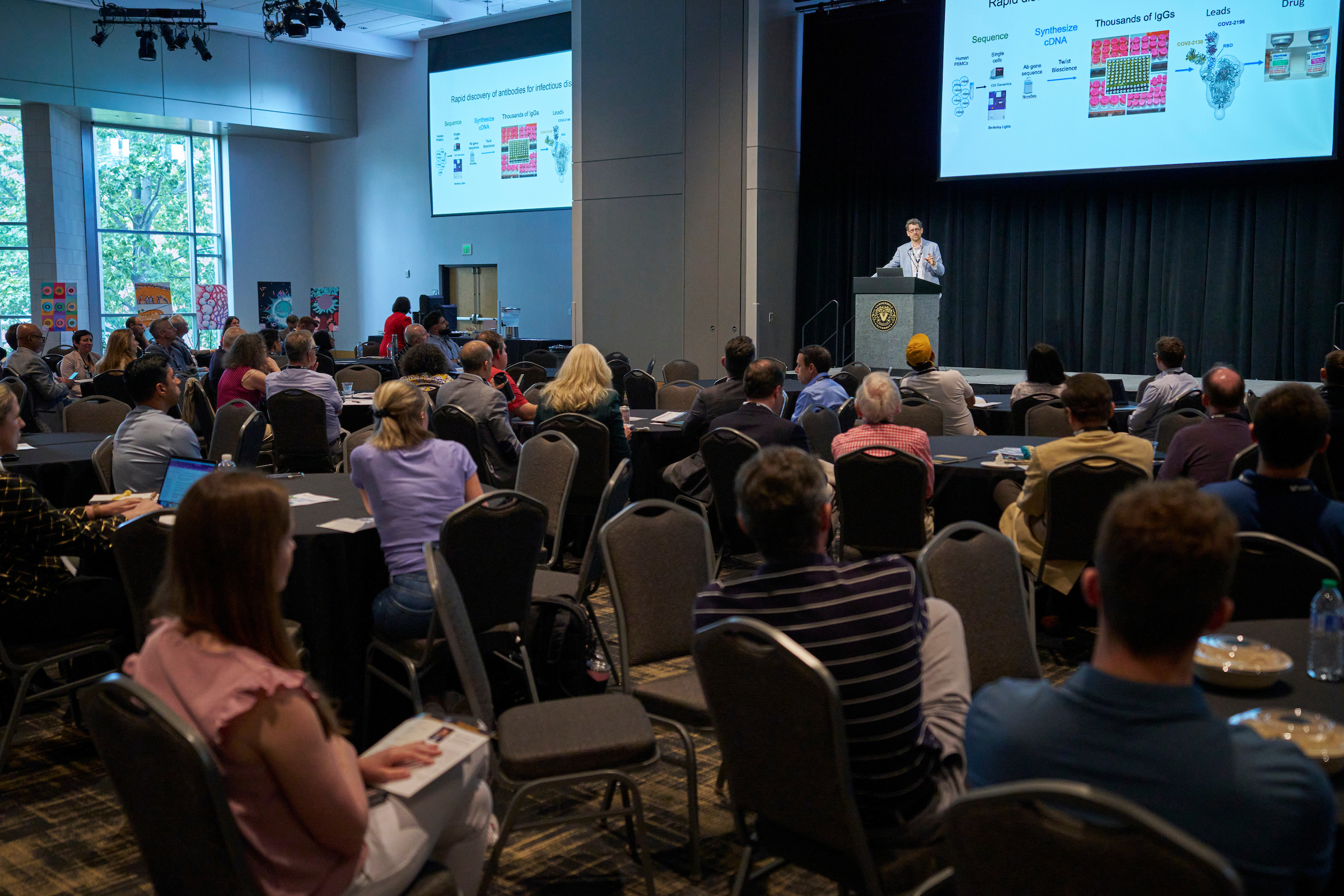
Vanderbilt’s Life Science Showcase focuses on cutting-edge infectious disease research
Infectious diseases pose a significant global health challenge, accounting for a substantial proportion of deaths worldwide, according to recent data from the World Health Organization. Vanderbilt’s Life Science Showcase: Advancing Innovation in Infectious Diseases held on July 18 emphasized the vital importance of advancing research and innovation to combat these persistent threats. Read MoreJul 23, 2024
-

Study identifies first cellular “chaperone” for zinc, sheds light on worldwide public health problem of zinc deficiency
A team led by Vanderbilt researchers has described and characterized the first zinc metallochaperone: a protein that puts zinc into other “client” proteins. Read MoreMay 17, 2022
-
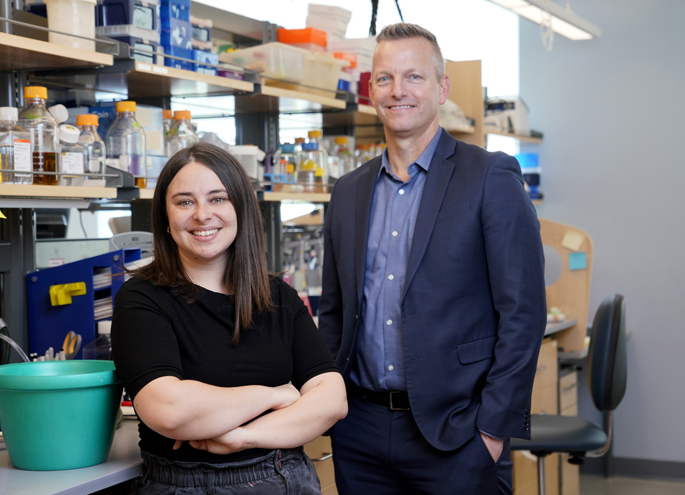
VUMC team discovers how bacterial pathogen survives without water
Vanderbilt researchers are studying a bacterial pathogen that can survive on hospital surfaces — without water — for months, an ability that has helped it become a leading cause of hospital-acquired infections. Read MoreMay 5, 2022
-
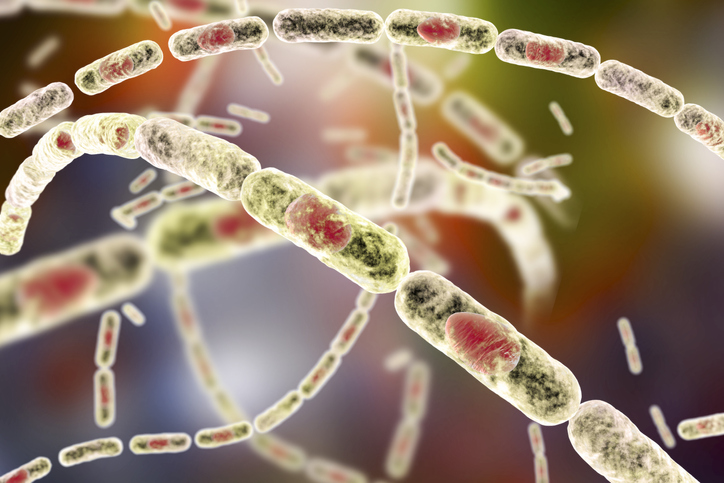
Study advances understanding of bacterial bioterrorism agent
Vanderbilt researchers have identified a critical regulatory factor in the bacterium that causes the disease anthrax and has been used as a biological weapon. Read MoreApr 7, 2022
-

Impaired neutrophils in autoimmunity
Vanderbilt researchers help answer the question of why patients with autoimmune diseases like lupus are more susceptible to bacterial infections: their neutrophils have impaired antibacterial activity. Read MoreJan 27, 2022
-

VUMC postdoctoral scientist named HHMI Hanna Gray Fellow
Valeria Reyes Ruiz, PhD, a postdoctoral fellow in the Department of Pathology, Microbiology and Immunology, has been selected as a 2020 Hanna Gray Fellow by the Howard Hughes Medical Institute (HHMI). Read MoreFeb 18, 2021
-

Grant helps expand VI4’s Artist-in-Residence program
An innovative Vanderbilt program that brings together scientists and artists with the shared goal of scientific communication is set to expand with support from a three-year grant from the Burroughs Wellcome Fund. Read MoreOct 29, 2020
-
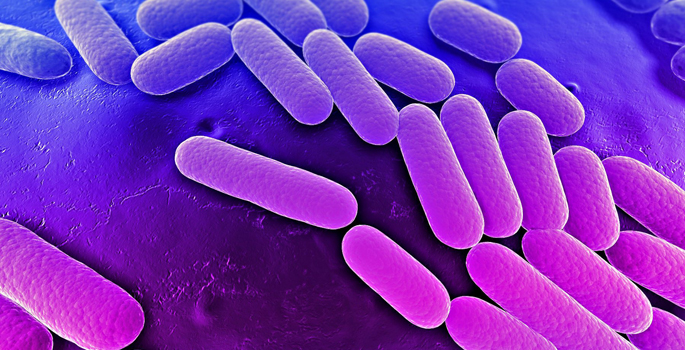
Probing pathogen antibiotic resistance
Understanding how bacteria evolve resistance to antibiotics and host stresses could guide the development of more effective antimicrobial therapeutics. Read MoreSep 17, 2020
-
New space bolsters infectious disease and immunology discovery
The Vanderbilt Institute for Infection, Immunology and Inflammation (VI4) recently moved into its new research and administrative home. Read MoreJul 9, 2020
-
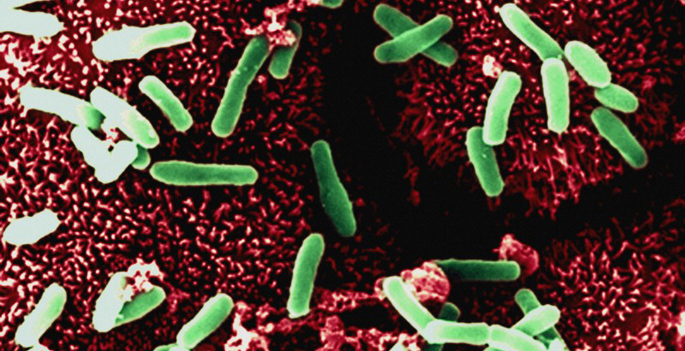
C.diff captures blood cell cofactor to build defensive shield
Vanderbilt University Medical Center scientists have identified a C. diff protein system that senses and captures heme (part of hemoglobin) to build a protective shield that fends off threats from our immune system and antibiotics. Read MoreJun 10, 2020
-
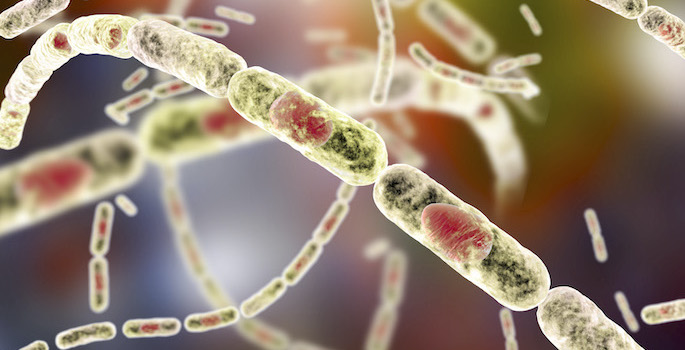
The adaptable anthrax bacterium
Vanderbilt researchers discover how anthrax bacterium defends itself against structural damage and resists the toxicity of the antimicrobial drug targocil. Read MoreMay 14, 2020
-
Zinc uptake by a deadly pathogen
The increasingly antibiotic-resistant bacterium Acinetobacter baumannii requires zinc to cause infection, and Vanderbilt researchers have identified the zinc uptake system it uses. Read MoreJan 13, 2020
-
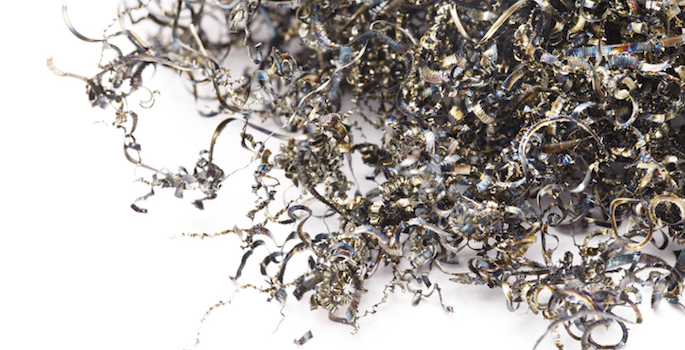
Imaging host-pathogen battle for metal
An unprecedented view of bacterial products within infected tissues opens new opportunities to explore infection biology and devise novel therapeutic strategies. Read MoreOct 31, 2019
-
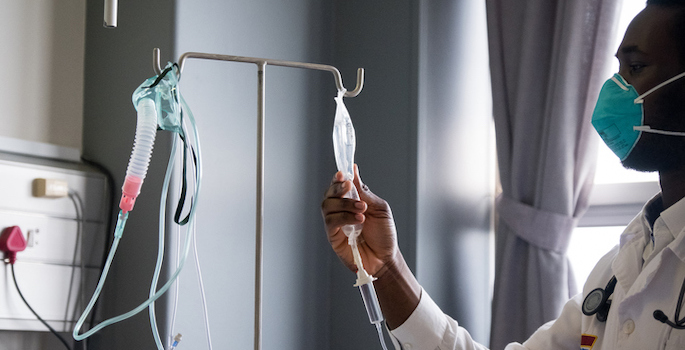
How bugs overcome host defenses
Eric Skaar and colleagues have figured out how a common bug responsible for ventilator-associated pneumonia responds when starved of zinc, a metal it needs to survive, which may lead to new therapeutic targets for the dangerous infection. Read MoreApr 12, 2019
-
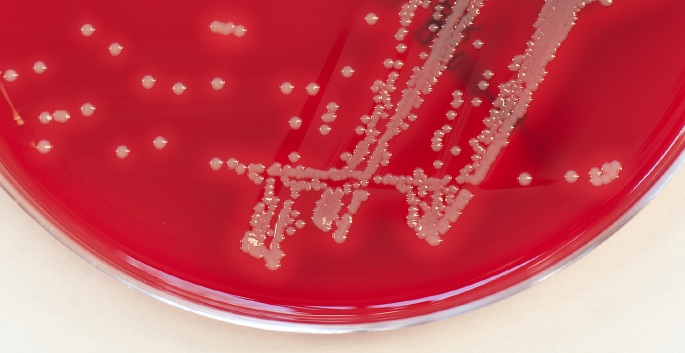
New staph virulence factor
The new factor, an enzyme involved in host-pathogen interactions, may be a viable target for treating staph infections. Read MoreJun 28, 2018
-
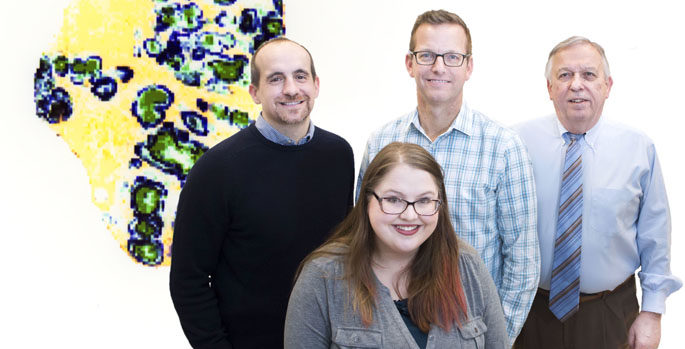
New imaging approach offers unprecedented views of staph infection
A new integrated imaging approach makes it possible to probe the molecules involved in invasive infections and can be broadly applied to any health or disease state. Read MoreMar 15, 2018