Diet
-
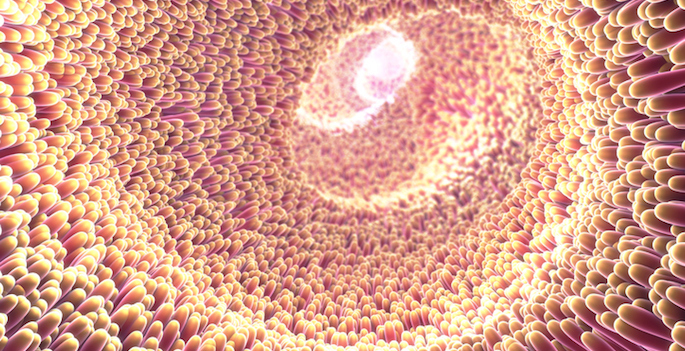
Study shows healthy diet is associated with diverse and health-promoting microbiome
Scientists are just beginning to understand the impact of diet on the gut microbiome and how this interaction affects human health, but baselines must first be established to yield answers. Read MoreJan 27, 2021
-
Fish oil and cancer prevention
Fish oil supplementation provides a modest but beneficial effect on reducing molecules associated with colorectal cancer development. Read MoreJun 24, 2019
-
Microbiome links diet to health
Vanderbilt researchers have discovered that the gut microbiome composition modulates how dietary nutrients are metabolized, with potential downstream consequences on metabolic health. Read MoreJun 20, 2019
-
Calcium intake and colorectal cancer
Calcium intake appears to protect against colorectal cancer in individuals with certain gene variants, Vanderbilt researchers have discovered. Read MoreOct 18, 2017
-
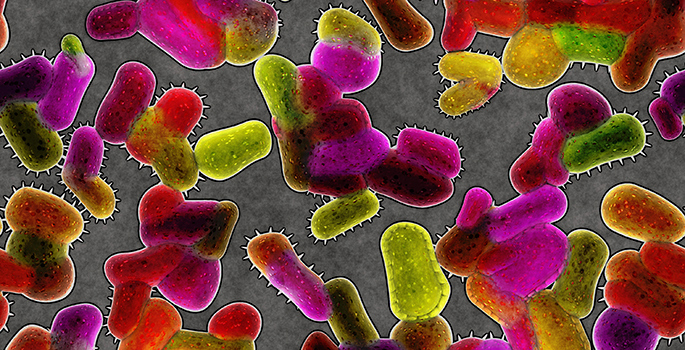
Bile acids, microbiota and colon cancer
Bile acids produced by a western diet alter the composition of the gut microbiota and promote intestinal carcinogenesis. Read MoreJul 5, 2017
-
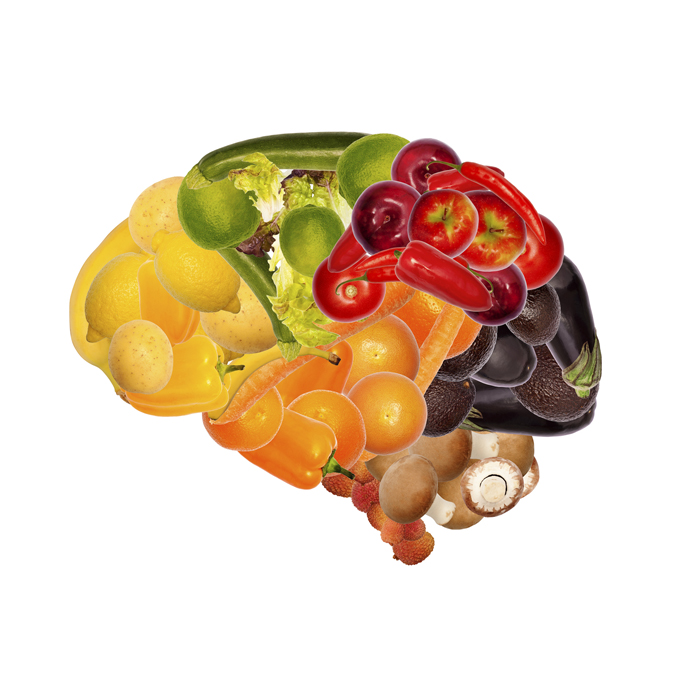
Dementia linked to diet
Some memory deficits observed in Alzheimer’s disease may be due to co-morbid illnesses – not the disease itself – and may be reversed by lifestyle changes or pharmacologic interventions. Read MoreFeb 7, 2017
-
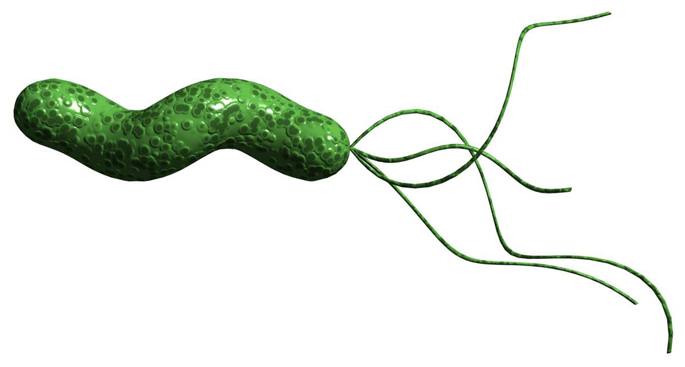
H. pylori and anemia – new evidence
The bacterium Helicobacter pylori has been linked to anemia and may be contributing to the incidence and severity of anemia worldwide. Read MoreSep 22, 2016
-
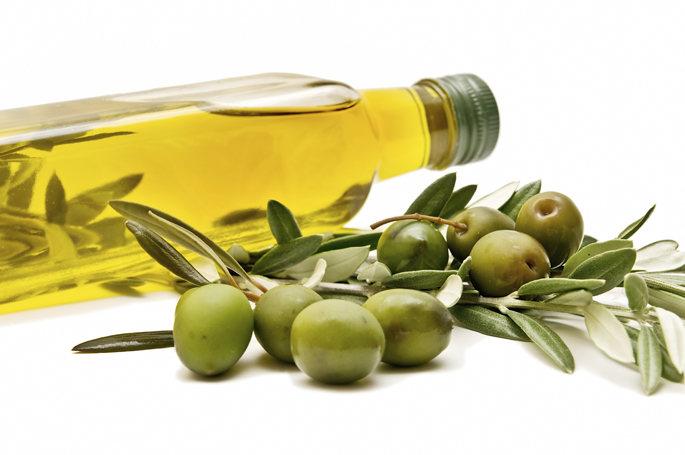
Anticancer olive compounds
Compounds found in olives and olive oil have anticancer activity, which may contribute to the cancer preventive properties attributed to the Mediterranean diet. Read MoreJul 27, 2015
-
Vanderbilt health educator suggests nine steps to a healthier heart
Nine steps to a healthier heart. Read MoreFeb 11, 2015
-
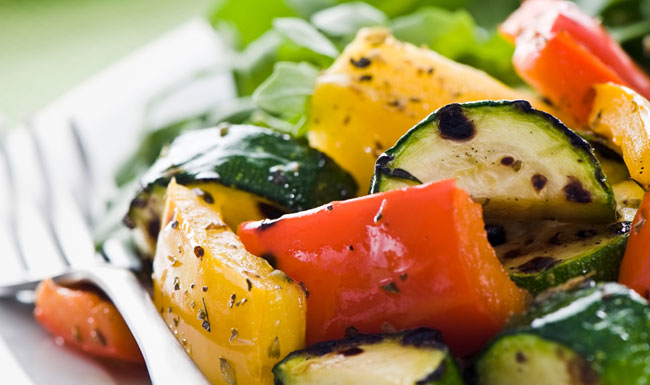
Vanderbilt health educator offers tips for healthy tailgating
Grilled vegetables are healthy and satisfying. (iStock) It’s football season—and that means game day parties and tailgating. What if there was a way to enjoy game day snacks without having to join the team workout to burn them off? Vanderbilt health educator Stacey Kendrick offers hope: “Tailgate… Read MoreOct 9, 2014
-
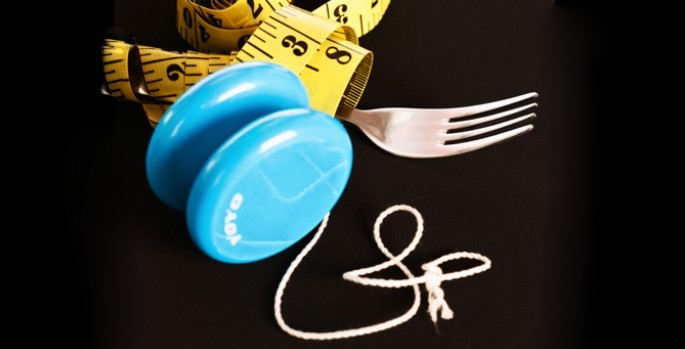
‘Yo-yo dieting’ inflames fat tissue
Gaining and losing weight during “yo-yo dieting” may contribute to an exaggerated immune response in fat tissue that increases metabolic dysfunction more than steady weight gain alone. Read MoreAug 9, 2013
-

New core to aid research related to nutrition and diet
A new research core has been established to help Vanderbilt University Medical Center investigators optimize their nutrition- and diet-related study designs, methods, measures, interventions and analysis. Read MoreMar 7, 2013
-

Study finds maternal diet may predict RSV severity
An important predictor of the severity of respiratory syncytial virus (RSV) in infants may be what their mothers ate during pregnancy. Read MoreMar 4, 2013
-
Superfoods: Eat more, lose weight
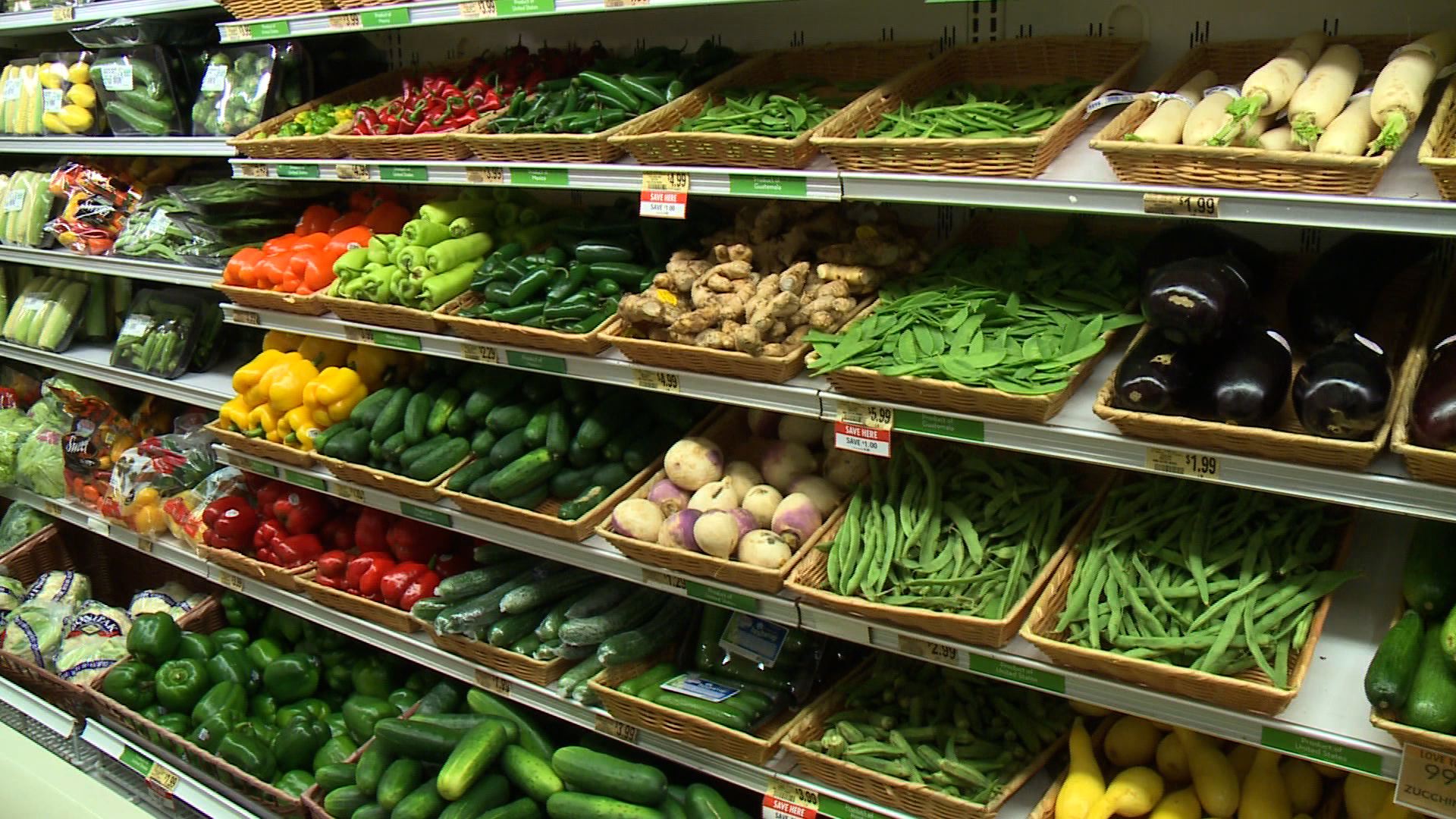
What if you could eat more and still lose weight? How about reduce disease and increase your lifespan? Sounds too good to be true, but Vanderbilt’s Barb Cramer talks with Vanderbilt School of Nursing’s nutrition expert Jamie Pope about choice foods that can help you… Read MoreJan 17, 2013
-
VUCast: Eat More, Lose Weight!
This Week on VUCast, Vanderbilt’s online newscast: Eat more, lose weight! A Vandy nutritionist shows how it works Anger in the court! Why ticked-off judges may be better judges. See what inspires some of our professors to teach. Read MoreJan 16, 2013
-
Center for Medical Weight Loss opens at One Hundred Oaks
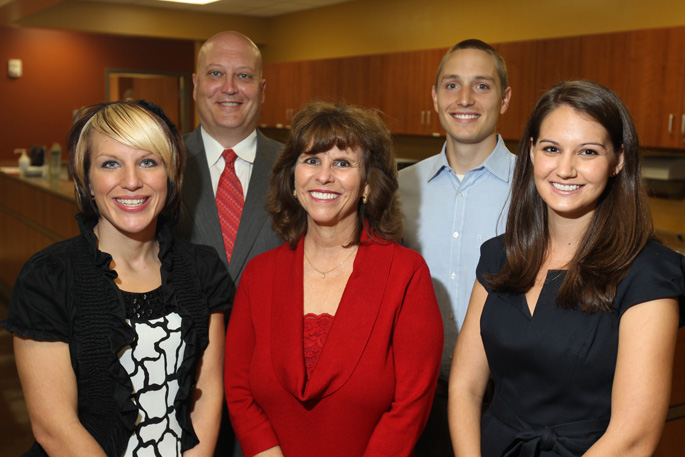
When patients come to Vanderbilt’s new Center for Medical Weight Loss, the first thing medical director John Cleek, M.D., wants them to understand is how their bodies use energy. Read MoreOct 11, 2012
-
Gene’s impact on ‘good’ cholesterol could affect heart disease risk
A genetic variant may help keep an individual’s “good” cholesterol in check. Read MoreJul 12, 2012
-
Psychology Today: Must cutting calories lead to binge eating?
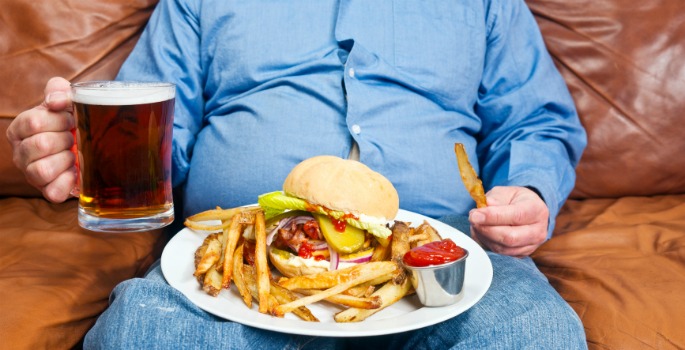
Vanderbilt psychologist David Schlundt weighs in on the issue of whether or not cutting calories is bound to lead to binge eating and explains why we need to "personalize" our diets. Read MoreFeb 10, 2012
-
Mouse study offers clues for childhood obesity
An obesity-associated genetic variation makes fatty food more rewarding yet less satisfying, new research in mice suggests. Read MoreApr 13, 2011