Department Of Cell And Developmental Biology
-
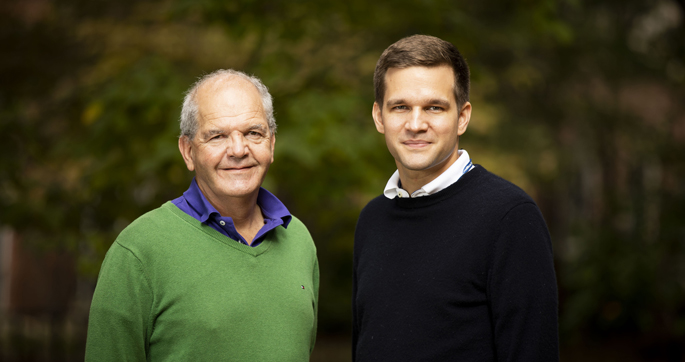
Vanderbilt researchers find protein plays dual roles in repairing damaged kidney
Cells lining crucial structures in the kidney are full of mitochondria—parts of the cell that help it do its job. The cost of doing that job, though, can be damage to the mitochondria, which then cripples the cells and leads to poor kidney function. Researchers at Vanderbilt University Medical Center have found that the protein Rac1 kicks cell repair into high gear to help the body remove and replace damaged mitochondria. Their work was recently published in the Proceedings of the National Academy of Sciences; Assistant Professor Fabian Bock is among the paper’s authors. Read MoreJan 16, 2026
-
DelGiorno lands prestigious American Cancer Society award to study therapeutic vulnerabilities in pancreatic cancer
Kathleen DelGiorno, assistant professor of cell and developmental biology, has received a Research Scholar Award from the American Cancer Society. The award will fund research into potential therapies against pancreatic cancer, the third-leading cause of cancer-related deaths in the United States, which is forecast to become the second-leading cause by 2030. Read MoreSep 26, 2025
-
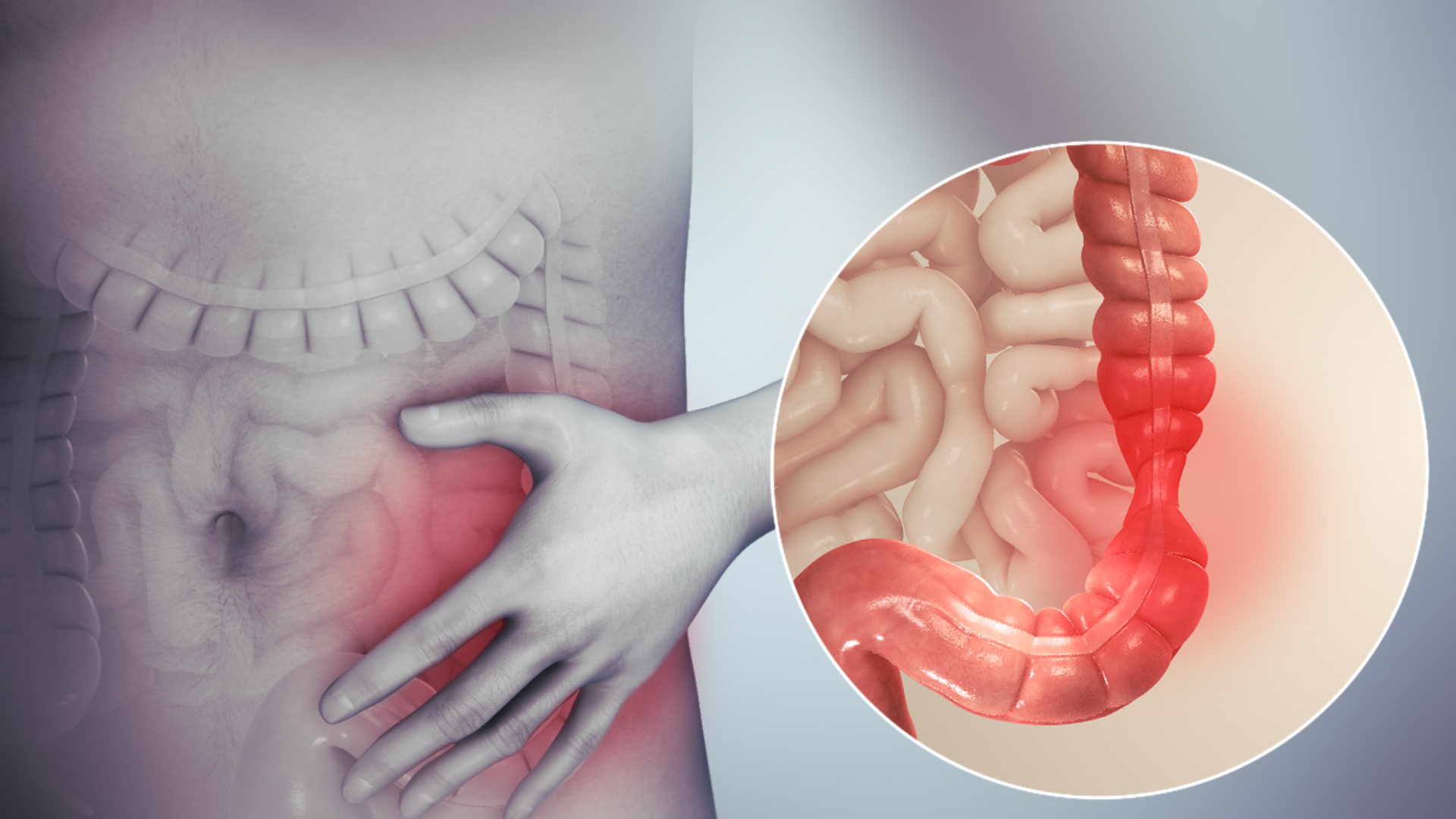
Researchers uncover critical genetic drivers of the gut’s “nervous system” development, offering insights into gut motility disorders
Vanderbilt researchers, including those from the Vanderbilt Brain Institute, have made significant strides in understanding how the enteric nervous system—sometimes called the “brain” of the gut—forms and functions. Read MoreSep 4, 2025
-
Vanderbilt Graduate School announces leadership transitions
After concluding her term as associate dean for academic affairs for the Graduate School, Terrah Akard will return to her role as professor of nursing in the School of Nursing. Julián Hillyer, Centennial Professor of Biological Sciences, and Andrea Page-McCaw, Stevenson Chair and professor of cell and developmental biology, have been named associate deans for academic affairs. Read MoreJul 30, 2025
-
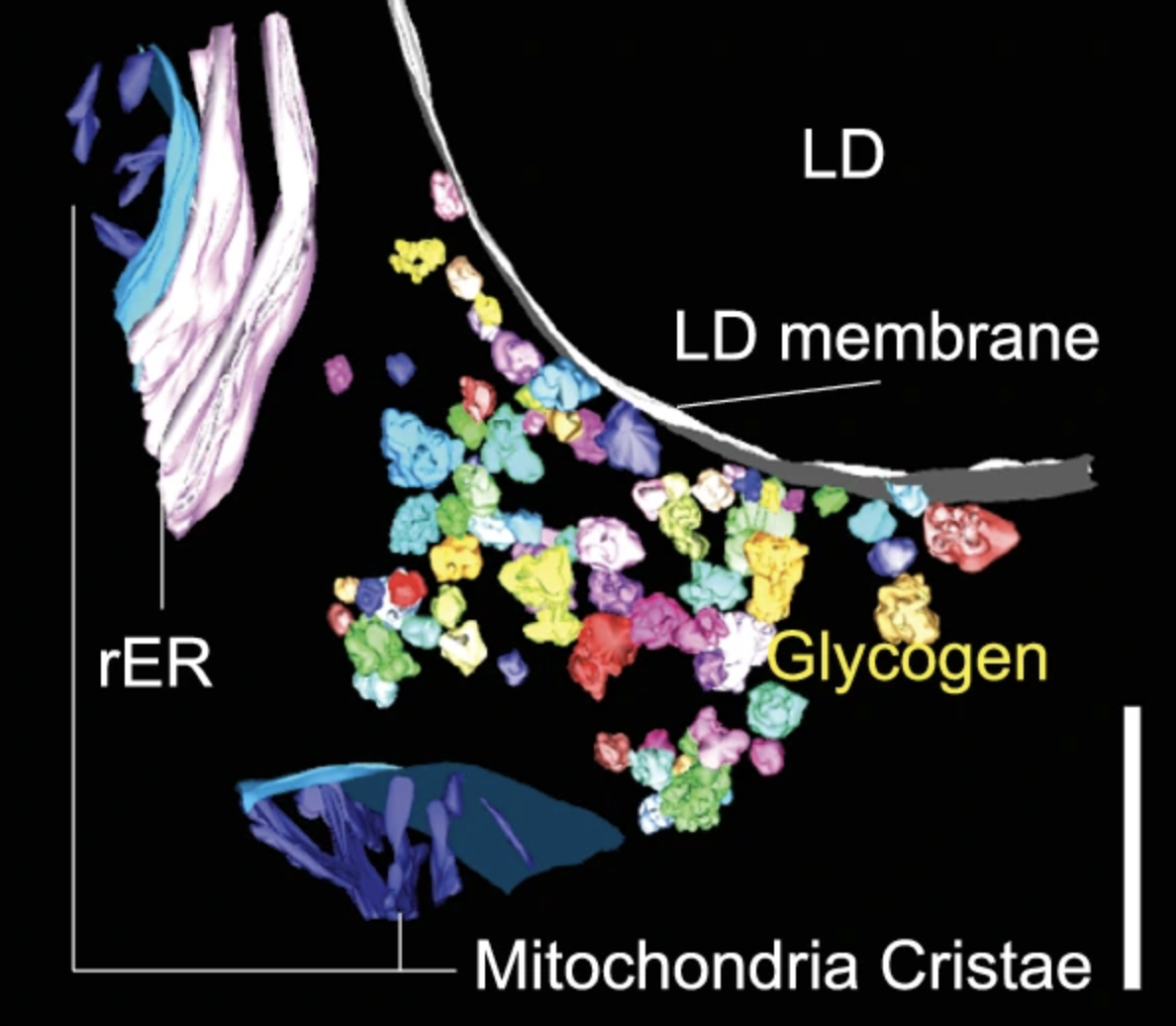
Pioneering new method reveals glucose channeling, charting the fine structure of energy metabolism inside active cells
In a scientific first, researchers from Vanderbilt University and the University of California, San Diego, have generated a high-resolution metabolic “map” of how cells orchestrate glucose processing, revealing a hidden world where organelles and molecular complexes collaborate when responding to a rush of nutrients. This new study, published in Nature Communications, has redefined how glucose metabolism is visualized at the single-cell level. Read MoreJul 21, 2025
-
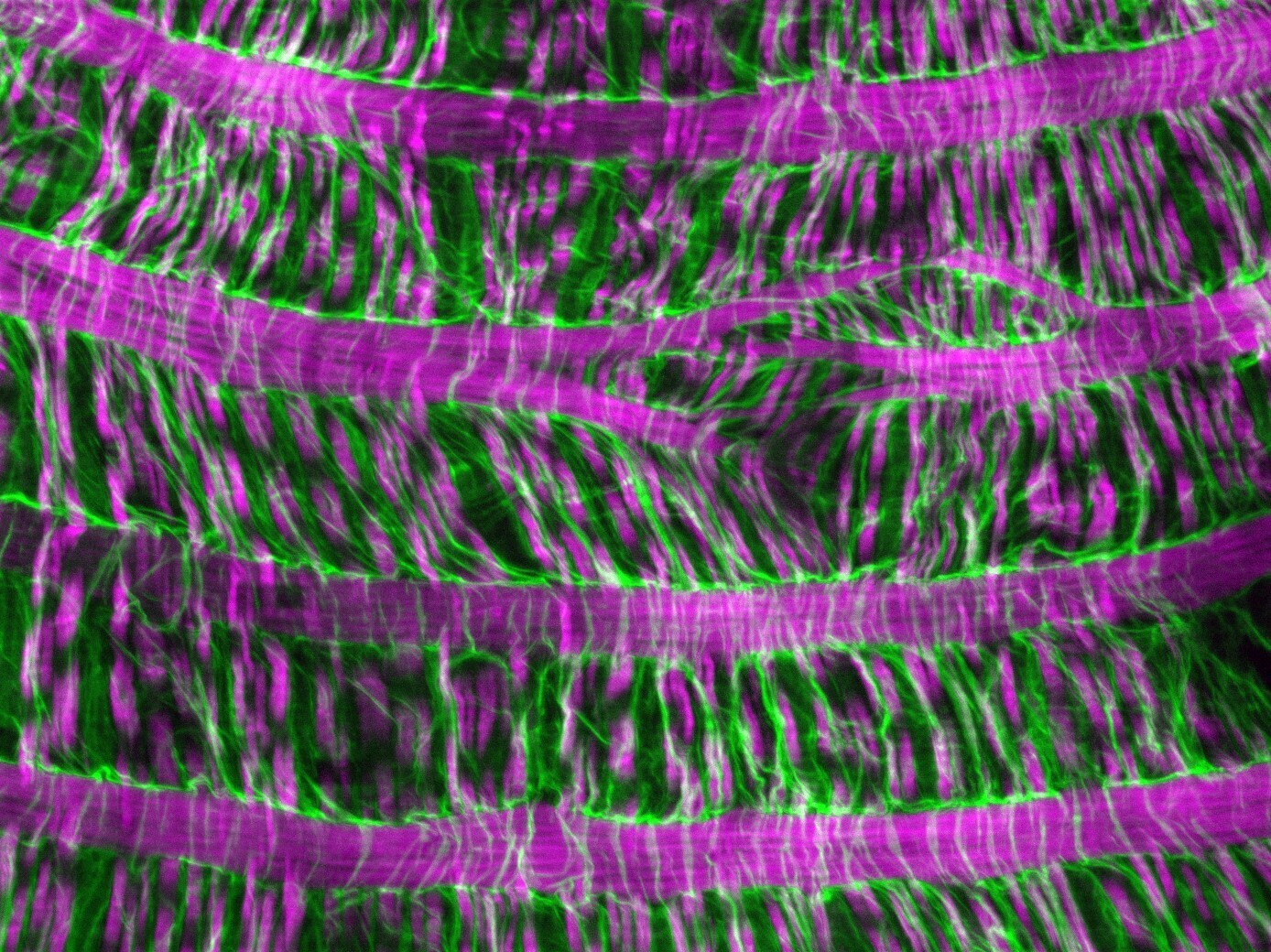
How tissues detect and repair damage to the body’s hidden support system
A new study by Vanderbilt investigators uncovered a previously unknown biological mechanism: how tissues detect and respond to damage in basement membranes, the thin layers of extracellular matrix that surround and support nearly every organ in the body. The research, published in Developmental Cell, is the first to show how local cells sense and respond to changes in basement membrane stiffness caused by damage—and how they activate a previously unknown set of “matrix mender” cells to repair the tissue. Read MoreMay 9, 2025
-
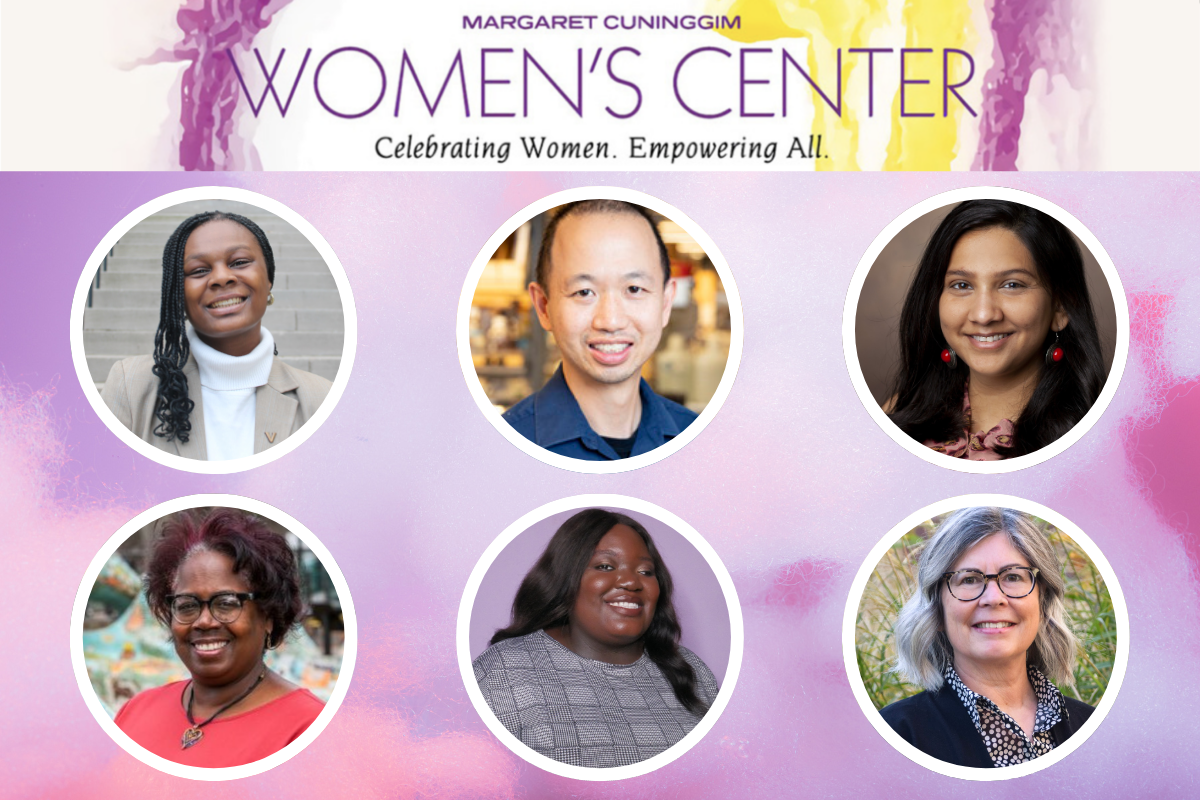
Margaret Cuninggim Women’s Center honors six at annual awards
This spring, the Margaret Cuninggim Women’s Center to honor six individuals from the Vanderbilt community during its annual awards. Read MoreApr 14, 2025
-
New center at Vanderbilt applies advanced technology to biological research
Vanderbilt University’s new Center for Computational Systems Biology brings computer science, engineering and biomedical researchers together with clinicians at Vanderbilt University Medical Center to accelerate discovery related to human diseases and conditions. Read MoreJan 16, 2025
-
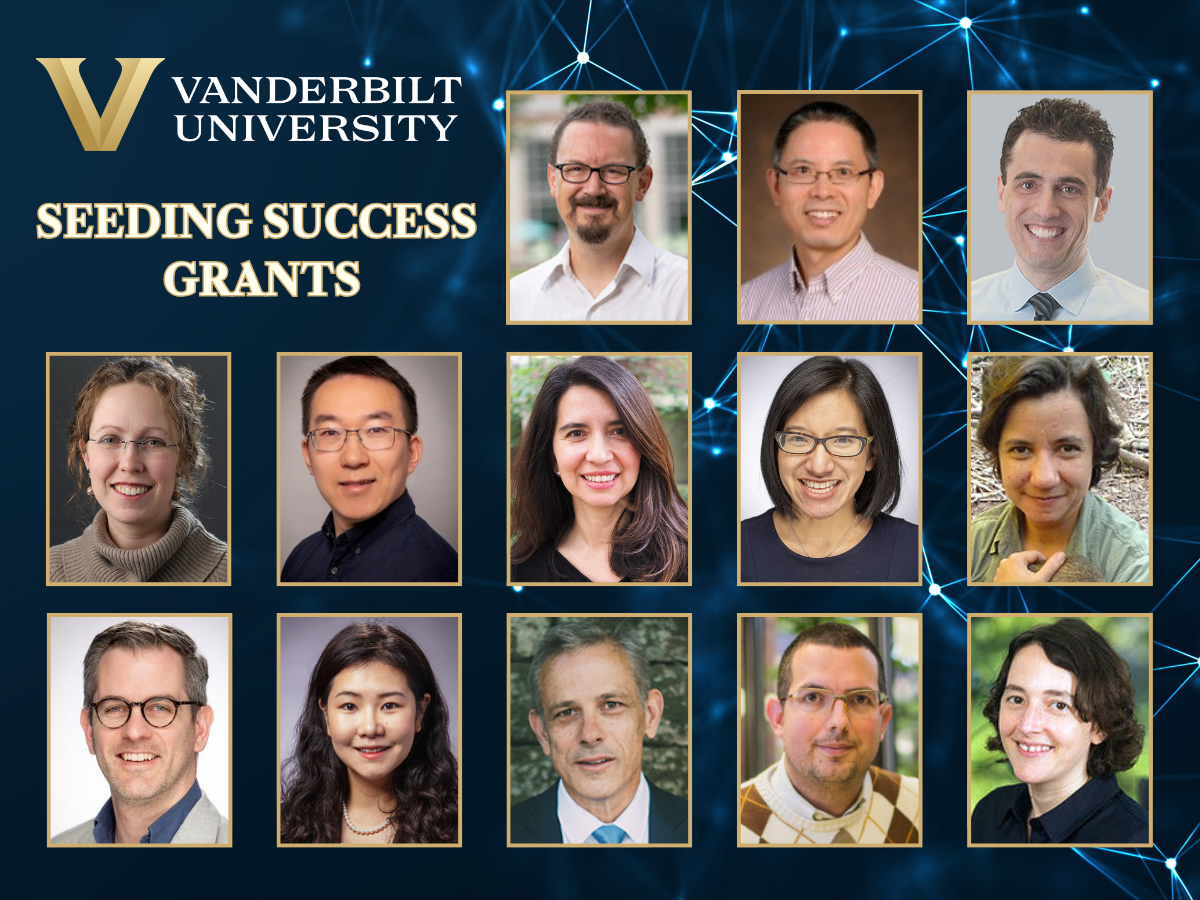
Vanderbilt names spring 2024 Seeding Success Grant awards
Thirteen innovative projects across seven colleges and schools have been selected for the spring 2024 round of Seeding Success internal grants. The Office of the Vice Provost for Research and Innovation announced the recipient list on May 31. Read MoreJun 25, 2024
-
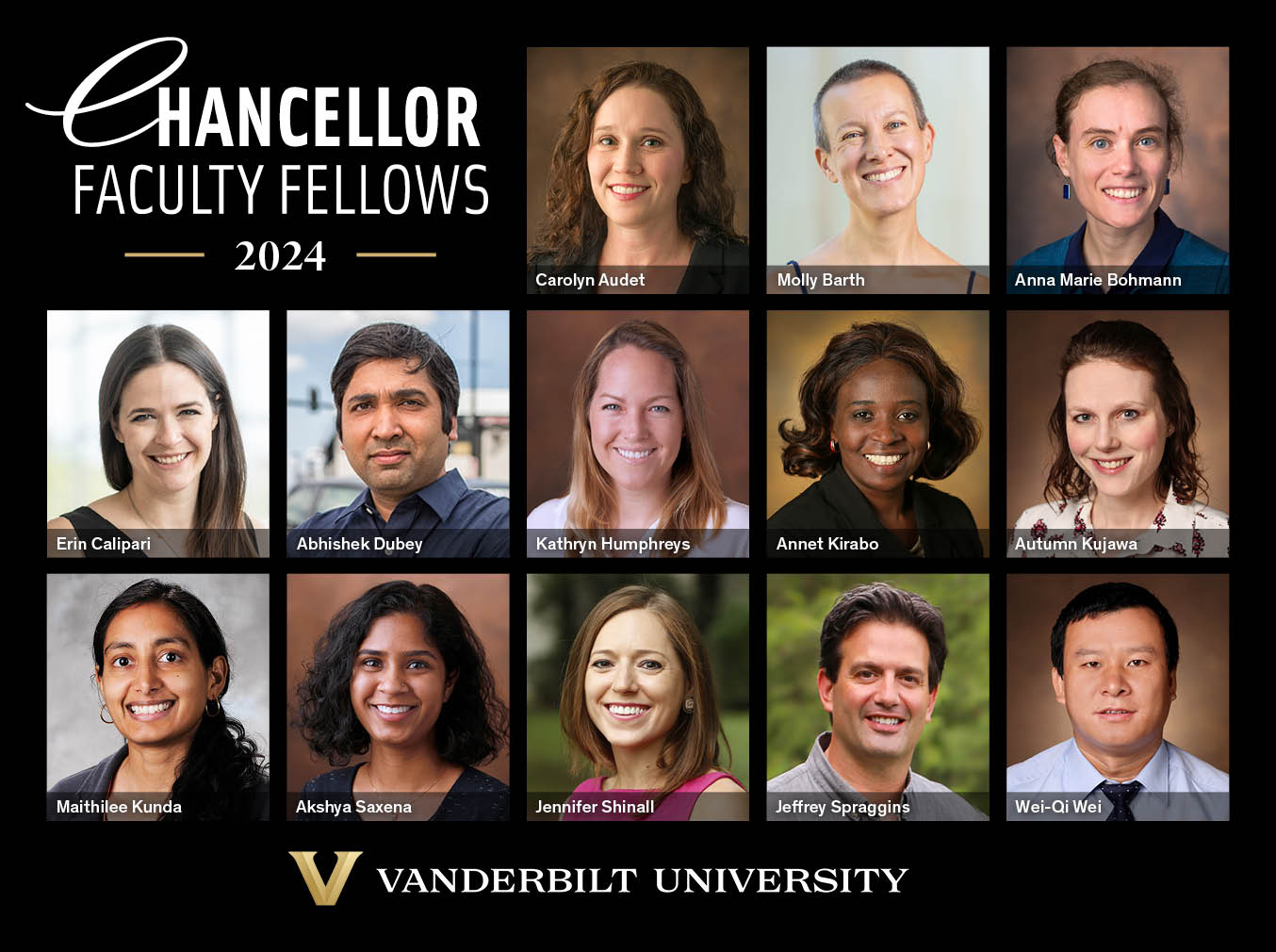
Chancellor announces 2024 Faculty Fellows, grants $40,000 per year to support scholarship and research
Thirteen outstanding faculty members from across the university have been selected for the 2024 cohort of Chancellor Faculty Fellows. This group is composed of highly accomplished, recently tenured faculty from a wide variety of disciplines and areas of expertise. Read MoreJun 11, 2024
-
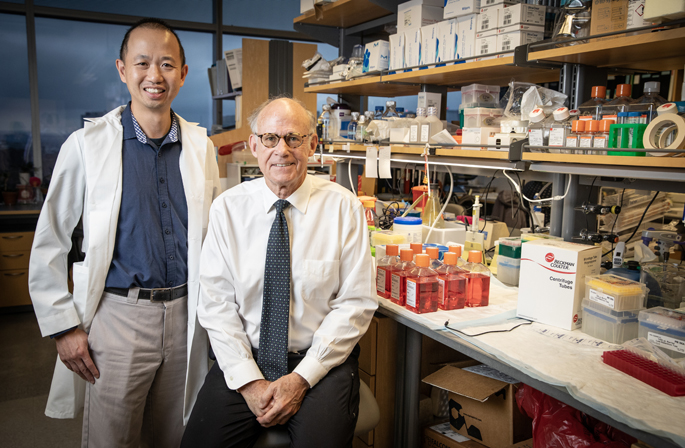
Colorectal cancer ‘cartography’ reveals an avenue to improved immunotherapy
Vanderbilt University Medical Center researchers have discovered why most colorectal tumors escape detection and destruction by the body’s immune system. Read MoreDec 8, 2023
-
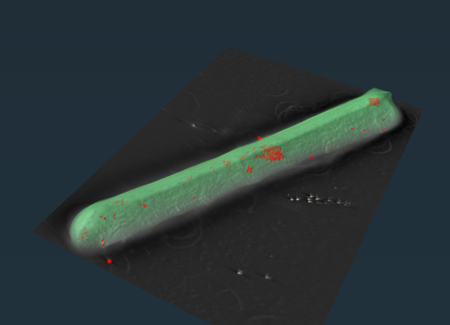
Novel C. diff structures are required for infection, offer new therapeutic targets
Vanderbilt research discovers that iron storage “spheres” inside the bacterium C. diff — the leading cause of hospital-acquired infections — are important for infection in an animal model and could offer new targets for antibacterial drugs. Read MoreNov 15, 2023
-
-
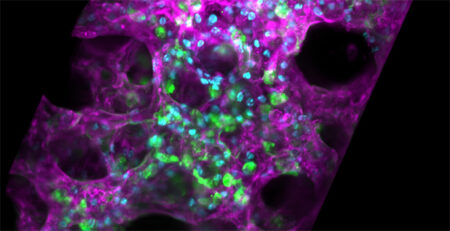
Vanderbilt researchers envision the potential to grow new lungs
Using a four-dimensional microscope that allows them to watch a tissue putting itself together, researchers at Vanderbilt University Medical Center have achieved a rare feat in science — they have shattered a long-standing dogma about how the lung develops. Read MoreJul 5, 2023
-
Novel therapeutic target identified for chronic kidney disease
Vanderbilt investigators have discovered a molecular mechanism that promotes chronic kidney disease following kidney injury. Read MoreDec 15, 2022
-
Colon cancer researchers awarded NCI grant for study of early lesions
Vanderbilt researchers are studying precancerous lesions and early cancers in the colon, with the goal of developing new ways to prevent colorectal cancer, the nation’s second leading cancer killer. Read MoreSep 22, 2022
-
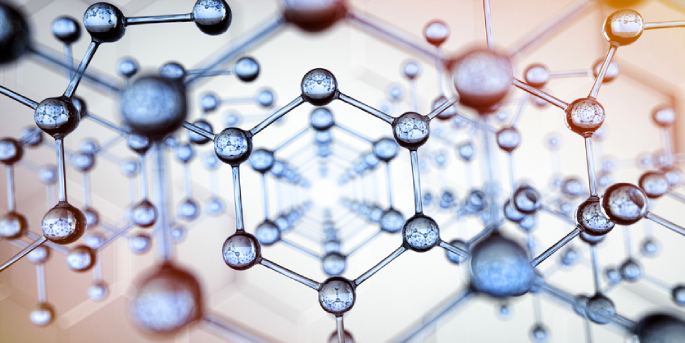
“Supermeres” may carry clues to cancer, Alzheimer’s disease and COVID-19
Vanderbilt researchers have discovered a nanoparticle released from cells, called a “supermere,” which contains enzymes, proteins and RNA associated with multiple cancers, cardiovascular disease, Alzheimer’s disease and even COVID-19. Read MoreDec 10, 2021
-
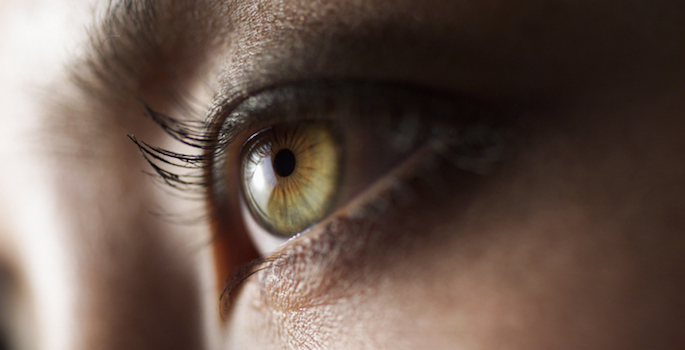
Genetic clues in eye birth defect
Sabine Fuhrmann and colleagues have discovered a novel underlying cause of coloboma — a birth defect that causes missing tissue in the eye and accounts for up to 10% of childhood blindness. Read MoreFeb 18, 2021
-
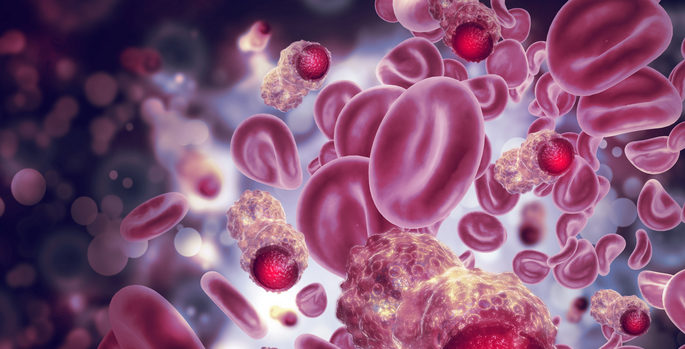
WIN for blocking cancer growth
William Tansey and colleagues identified proteins that interact with the cancer drug target WDR5 and are important for cancer cell growth. Read MoreJan 21, 2021
-
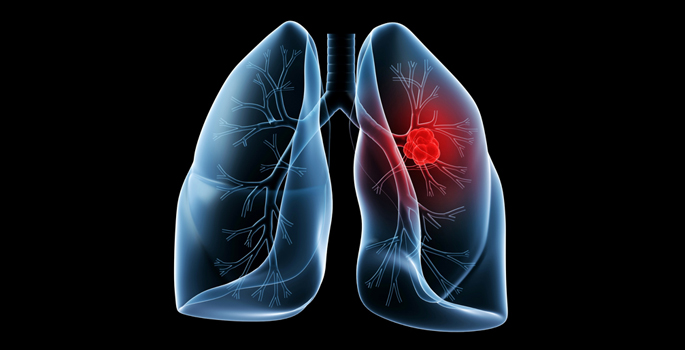
New therapeutic target for lung cancer
Vanderbilt researchers have identified a new molecular partner — and potential therapeutic target — in a signaling axis that drives lung cancer. Read MoreNov 12, 2020