Cynthia Reinhart-King
-
Cellular bioengineer Cynthia Reinhart-King elected to fellow of IAMBE
University Distinguished Professor and Cornelius Vanderbilt Professor of Engineering Cynthia Reinhart-King has been elected to the 2023 Class of Fellows of the International Academy of Medical and Biological Engineering. IAMBE is made up of fellows who are recognized for their outstanding contributions to the profession of medical and biological engineering at an international level. Read MoreJul 11, 2023
-

Cynthia Reinhart-King is Senior Associate Dean for Research in School of Engineering
Cynthia Reinhart-King, Cornelius Vanderbilt Professor of Engineering and professor of biomedical engineering, has accepted the position of Senior Associate Dean for Research. Her appointment comes as Associate Dean for Research and John R. Hall Professor of Chemical Engineering Peter Cummings steps down and has announced his retirement. Reinhart-King is a cellular bioengineer who is a leader... Read MoreJul 1, 2022
-
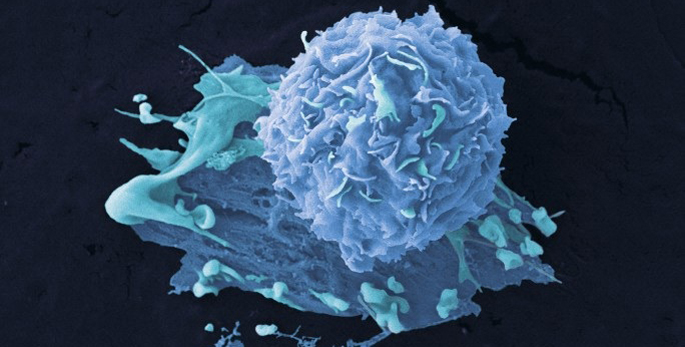
Vanderbilt bioengineer’s trailblazing cancer research receives $1M W. M. Keck Foundation grant
A bold engineering approach by a Vanderbilt University researcher to sort breast cancer cells based on their behavior first has produced compelling data that show less migratory cells create more metastases, contradicting the prevailing hypothesis on how cancer spreads. Read MoreJul 14, 2020
-
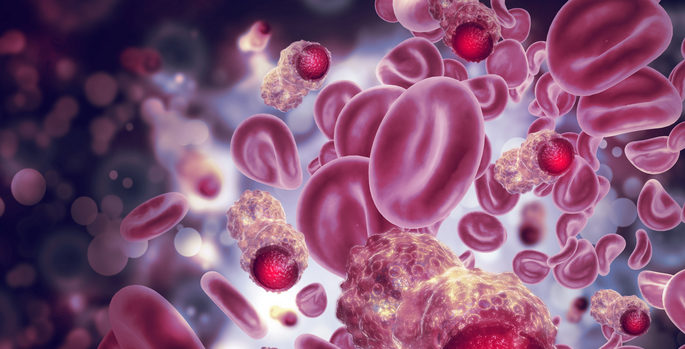
On-the-move cancer cells prefer a “comfort cruise,” follow predictable paths of least resistance
New research from a group of Vanderbilt biomedical engineers reveals that while cancer cells metastasize quickly, they generally choose pathways that use the least amount of energy. Read MoreSep 13, 2019
-
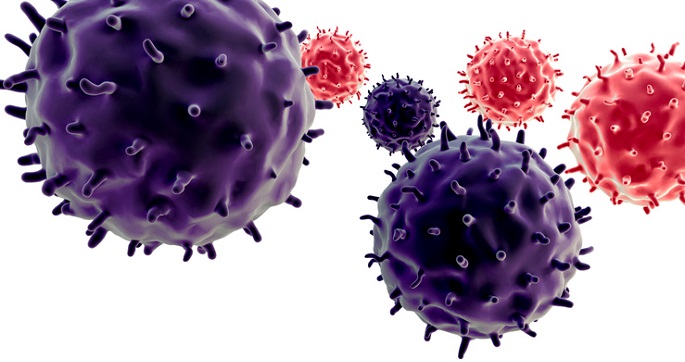
Like racecars and geese, cancer cells draft their way to new tumor sites
The finding gives a boost to the field of metabolomics, the next big thing in fighting cancer. It can complement immunotherapies, which use the body’s natural defenses to kill cancer cells. Read MoreMar 25, 2019
-
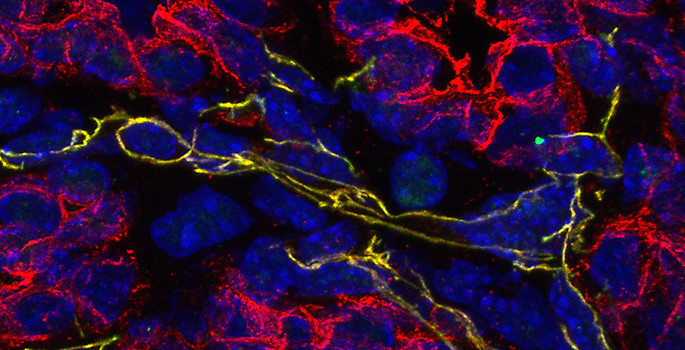
Softening tumor tissue could aid cancer treatments
Tumors cause the intracellular material surrounding them to stiffen. Softening this protective layer could make existing cancer treatments more effective, according to new research. Read MoreJan 16, 2017