Chemotherapy
-
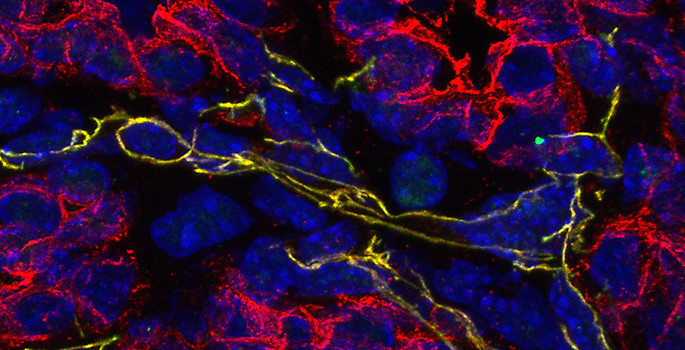
Research Snapshot: Researchers create algorithm to help predict cancer risk associated with tumor variants
Vanderbilt researchers have developed an active machine learning approach to predict the effects of tumor variants of unknown significance, or VUS, on sensitivity to chemotherapy. Characterizing VUS can maximize clinical care and precision medicine for each patient. Read MoreAug 9, 2022
-
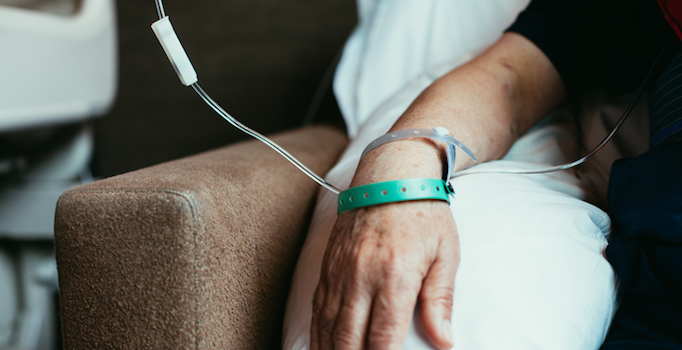
Mood and cognition after chemotherapy
Validation of cognitive complaints appears to improve mood in patients with persistent chemotherapy-cognitive impairment, Vanderbilt researchers report. Read MoreJul 26, 2021
-
Chemo for cancer lowers dementia risk
Cancer chemotherapy lowered risk of Alzheimer’s disease and other neurocognitive disorders that disproportionately affect older people. Read MoreMar 22, 2021
-
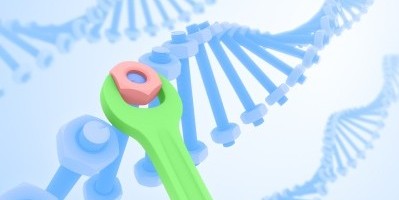
A new mode of DNA repair
Structural details of a protein that removes DNA lesions shed light on fundamental mechanisms of DNA repair. Read MoreApr 14, 2017
-

Chemo better option following pancreatic cancer surgery: study
A multicenter study led by Vanderbilt University Medical Center (VUMC) investigators found that pancreatic cancer patients who underwent surgery and received chemotherapy lived longer and had fewer cancer recurrences in other parts of the body than patients who also received chemoradiation therapy. Read MoreFeb 25, 2016
-
New lead for ovarian cancer treatment
Combining inhibitors of the BMP signaling pathway with standard chemotherapy drugs may overcome drug resistance in ovarian cancer. Read MoreDec 10, 2015
-
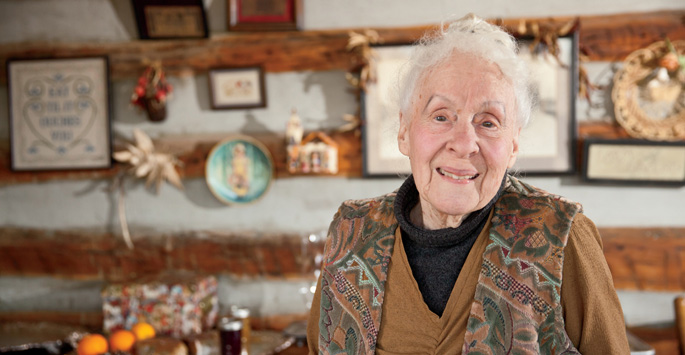
Hach shows age not always a barrier to cancer therapy
Phila Hach recently celebrated her 89th birthday and she has had much to celebrate over the years. Read MoreSep 3, 2015
-
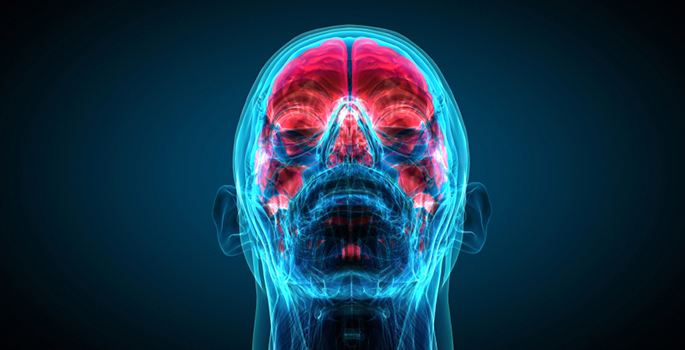
Study seeks to ease ‘chemobrain’ for cancer patients
Many women who receive chemotherapy for breast cancer report problems with their thinking, memory and attention after treatment. Read MoreAug 20, 2015
-
Drug combos enhance ovarian cancer cell death
Drugs that target DNA damage improve ovarian cancer cell response to platinum chemotherapies, suggesting new therapeutic opportunities. Read MoreAug 11, 2015
-
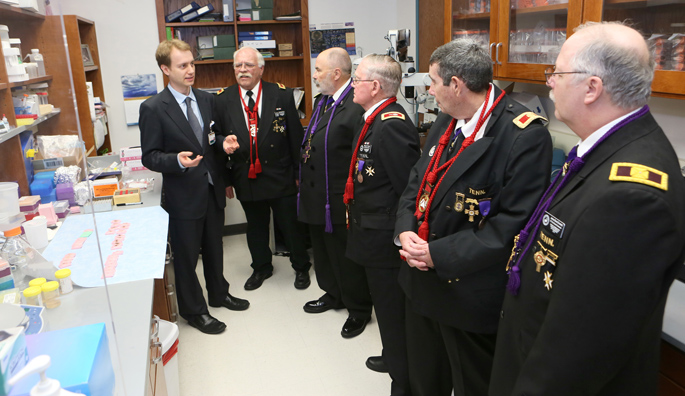
Daniels receives research grant from Knights Templar Eye Foundation to study retinoblastoma treatment
Vanderbilt investigator Anthony Daniels has received a grant from the Knights Templar Eye Foundation to develop new, safe and effective treatments for retinoblastoma, the most common ocular cancer in children. Read MoreJun 25, 2015
-
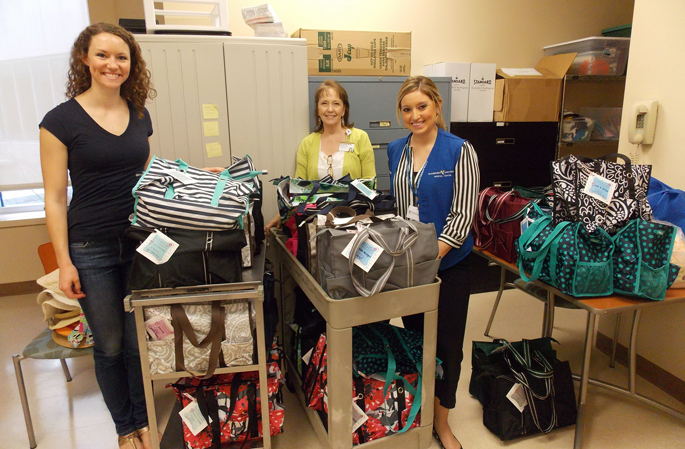
Dietitian and friends donate chemo care bags to VICC patients
A Nashville-based dietitian who lost her mother to cancer is using the power of social media to raise funds for chemo care bags for cancer patients. Read MoreMay 28, 2015
-

Improving breast cancer chemo by testing tumors in a dish
A team of biomedical engineers has developed a new "tumor-in-a-dish" technology that promises to improve the effectiveness of chemotherapy. Read MoreOct 28, 2014
-
Potential mechanism for myeloma drug’s variable toxicity
A genetic variant is associated with toxicity of the chemotherapy drug melphalan, and could guide individualized dosing for the medication. Read MoreApr 30, 2014
-
Overcoming resistance in ovarian cancer
The nuclear receptor TR3 contributes to ovarian cancer cell death in response to platinum-based chemotherapy – and may be a good target for overcoming cell resistance to certain treatments. Read MoreAug 22, 2013
-

Predicting cancer’s response to therapy
Researchers are developing imaging methods to predict patient outcome early in the course of chemotherapy for breast cancer – to allow clinicians to adjust therapy for patients who are not responding. Read MoreJun 24, 2013
-
A drug combo for ovarian cancer
Combining another drug with platinum-based chemotherapies may be more effective against ovarian cancer. Read MoreDec 24, 2012
-

Vanderbilt identifies genes linked to breast cancer chemo resistance
A study led by Vanderbilt-Ingram Cancer Center investigators has identified a gene expression pattern that may explain why chemotherapy prior to surgery isn’t effective against some tumors and suggests new therapy options for patients with specific subtypes of breast cancer. Read MoreJun 11, 2012
-

Offspring of childhood cancer survivors have no increased risk for birth defects
Children of childhood cancer survivors who were treated with radiation or some forms of do not have an increased risk for birth defects compared to children of cancer survivors who did not receive such treatments. Read MoreDec 15, 2011
-

VUMC Researchers Study ‘Chemo Fog’
As many as 30 percent of chemotherapy patients suffer from chemo fog causing moderate cognitive brain impairment. With funding help from athlete and cancer survivor Lance Armstrong, Vanderbilt University Medical Center researchers are studying how to clear chemo fog. Barb Cramer has the story. Read MoreMar 21, 2007