Cary Pint
-

Ultrathin device harvests electricity from human motion
A new energy harvesting system developed at Vanderbilt University can generate electrical current from the full range of human motions and is thin enough to embed in clothing. Read MoreJul 21, 2017
-
Research that ruled in 2016: Readers’ favorite stories
Artificial kidneys, gay-straight alliances and junkyard batteries captured readers' attention in 2016. Read MoreDec 16, 2016
-
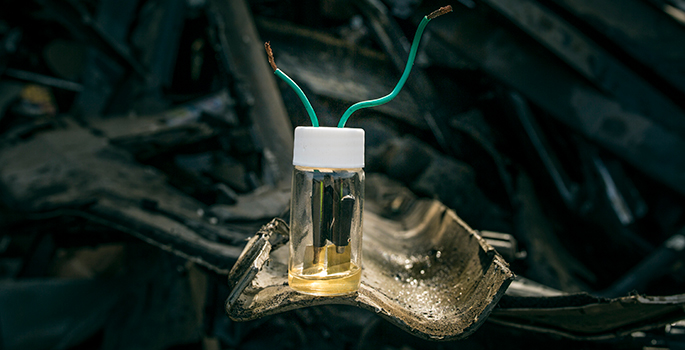
Making high-performance batteries from junkyard scraps
Vanderbilt researchers have discovered how to make high-performance batteries using scraps of metal from the junkyard and household chemicals. Read MoreNov 2, 2016
-

How to make electric vehicles that actually reduce carbon
Scientists from Vanderbilt and George Washington universities have worked out a way to make electric vehicles that not only are carbon neutral but carbon negative. Read MoreMar 2, 2016
-
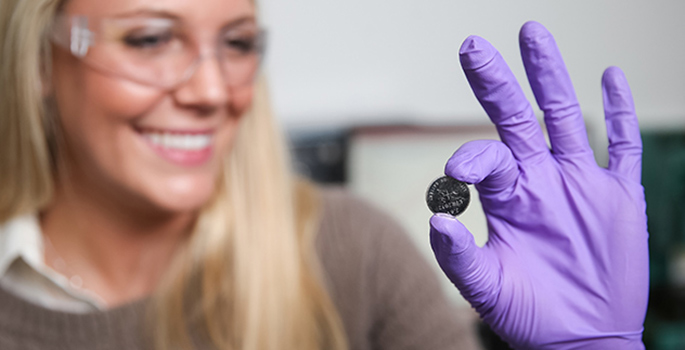
Quantum dots made from fool’s gold boost battery performance
Vanderbilt engineers have discovered that adding quantum dots made from fool's gold to the electrodes of standard lithium batteries can substantially boost their performance. Read MoreNov 11, 2015
-

Research Roundup, Summer 2014
Private Property and Government Inaction | Probiotic Could Prevent Obesity | Freedom from Power Cords | Pickiness Doesn’t Always Pay Read MoreSep 26, 2014
-
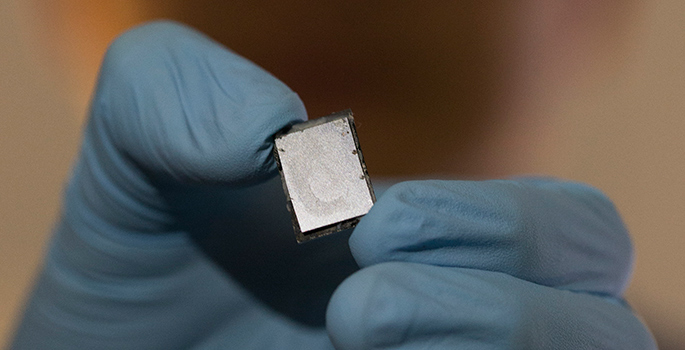
Liberating devices from their power cords
A new type of supercapacitor brings us a step closer to a day when everything from cell phones to electric vehicles will no longer need separate batteries. Read MoreMay 19, 2014
-
New device stores electricity on silicon chips
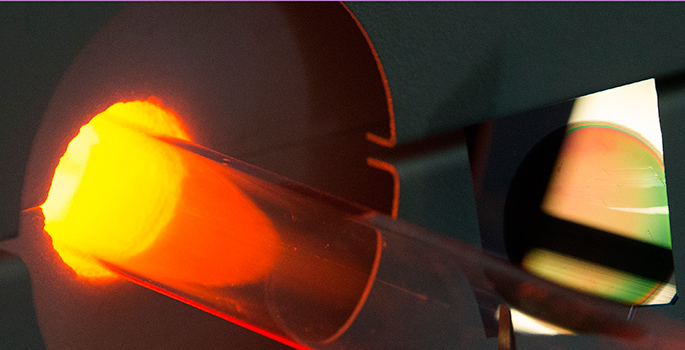
Solar cells that produce electricity 24/7. Cell phones with built-in power cells that recharge in seconds and work for weeks between charges: These are just two of the possibilities raised by a novel supercapacitor design invented by material scientists at Vanderbilt University. Read MoreOct 22, 2013
-
Size matters in nanocrystals’ ability to release gases
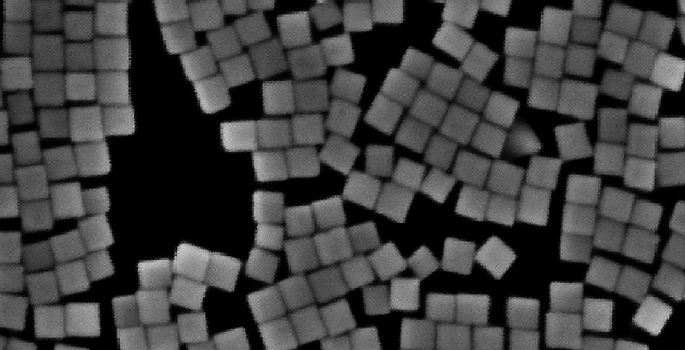
More efficient catalytic converters on autos, improved batteries and more sensitive gas sensors are some of the potential benefits of a new system that can directly measure the manner in which nanocrystals adsorb and release hydrogen and other gases. Read MoreAug 6, 2013
-

Pint’s lab brings first ALD systems to Vanderbilt
Cary Pint’s lab – Nanomaterials and Energy Devices Laboratory in Olin Hall – is close to completion and it brings to Vanderbilt its first two atomic layer deposition (ALD) systems, relatively small tools that deposit atomically thin layers of material on virtually any surface. Read MoreApr 2, 2013