Cancer Research
-
Promising new drug combination may help melanoma patients resistant to treatment respond once again to the body’s immune defenses
Advanced melanoma can be notoriously resistant to standard immunotherapy, but a new drug combination might hold some hope for patients with this most common form of skin cancer. Professor Emerita of Pharmacology Ann Richmond and her team, in preclinical work, created a “tumor microenvironment more receptive to immune challenge.” The treatment slowed tumor growth, showed stronger immune responses and increased helpful T cells. It could be on a faster-than-typical track to human studies because all the drugs are already involved in other clinical trials. Read MoreOct 24, 2025
-
DelGiorno lands prestigious American Cancer Society award to study therapeutic vulnerabilities in pancreatic cancer
Kathleen DelGiorno, assistant professor of cell and developmental biology, has received a Research Scholar Award from the American Cancer Society. The award will fund research into potential therapies against pancreatic cancer, the third-leading cause of cancer-related deaths in the United States, which is forecast to become the second-leading cause by 2030. Read MoreSep 26, 2025
-
Nanobody hitchhikers boost immunotherapy potency in cancer treatment
A collaboration among VUMC, the College of Arts and Science, the School of Medicine and the School of Engineering has led to some higher-order “hitchhikers” that can make immunotherapy cancer treatments more effective. Associate Professor John Wilson’s lab devised a way to piggyback cancer-fighting nanobodies onto molecules that naturally accumulate around tumors—getting the treatment where it needs to go. Read MoreJul 10, 2025
-
Vanderbilt researchers develop new approach to boost immunotherapy potency in cancer treatment
Researchers led by John T. Wilson, associate professor of chemical and biomolecular engineering and biomedical engineering, have developed a new approach using a molecularly designed nanobody platform that seeks to make immunotherapy more effective in the treatment of cancer. Read MoreJun 17, 2025
-
A Package Deal: Diagnosing and treating breast cancer with a single complex
A group of researchers from the lab of Larry Marnett, the Mary Geddes Stahlman Professor of Cancer Research, recently paired a precisely targeted imaging agent to an anticancer agent and found that they could specifically attack cancer cells and not normal cells with it. Their work was performed in collaboration with School of Engineering faculty members Craig Duvall and Rebecca Cook, and was published in Molecular Pharmaceutics in April 2025. Read MoreJun 12, 2025
-
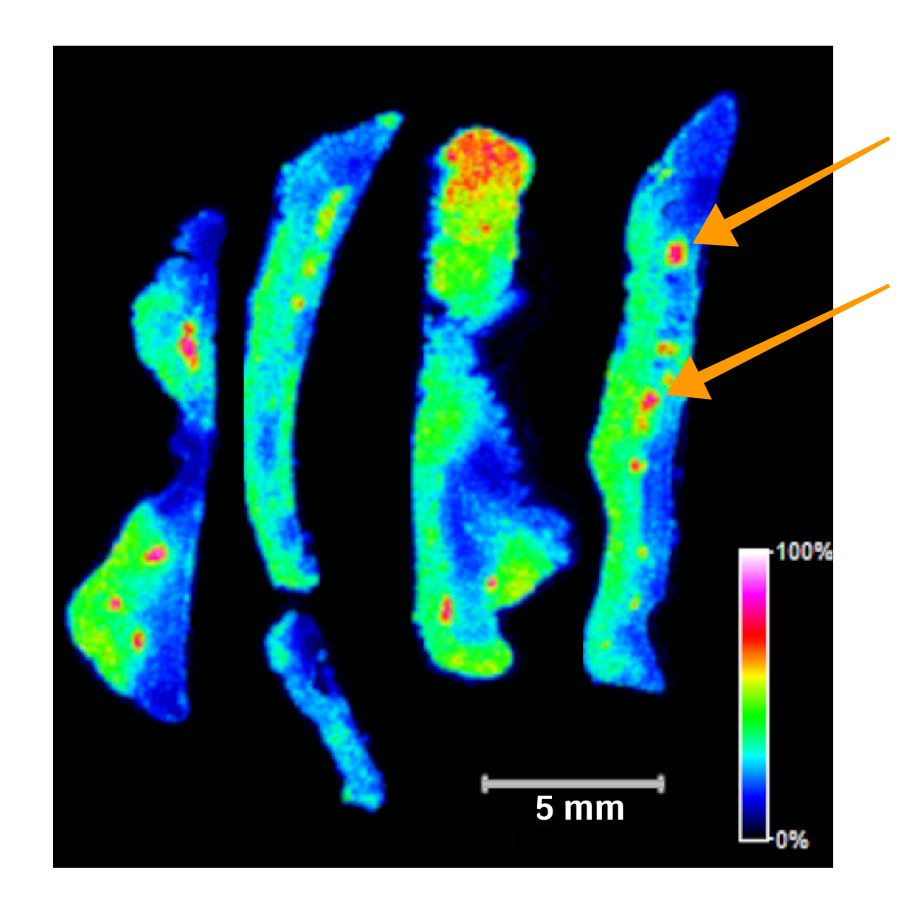
To cause cancer or not to cause cancer: What leads to H. pylori-induced stomach malignancies
Though Helicobacter pylori lives in the guts of about half of the world's adults, infections can go undetected for decades. The problem: the bacteria is the primary risk factor for gastric cancer, and one strain of the germ carries a higher risk. Vanderbilt researchers Tim Cover and Jennifer Shuman analyzed how the genetic makeup of H. pylori strains affects how they change the molecular makeup of gut tissues and lead to gastric cancer. Read MoreApr 8, 2025
-
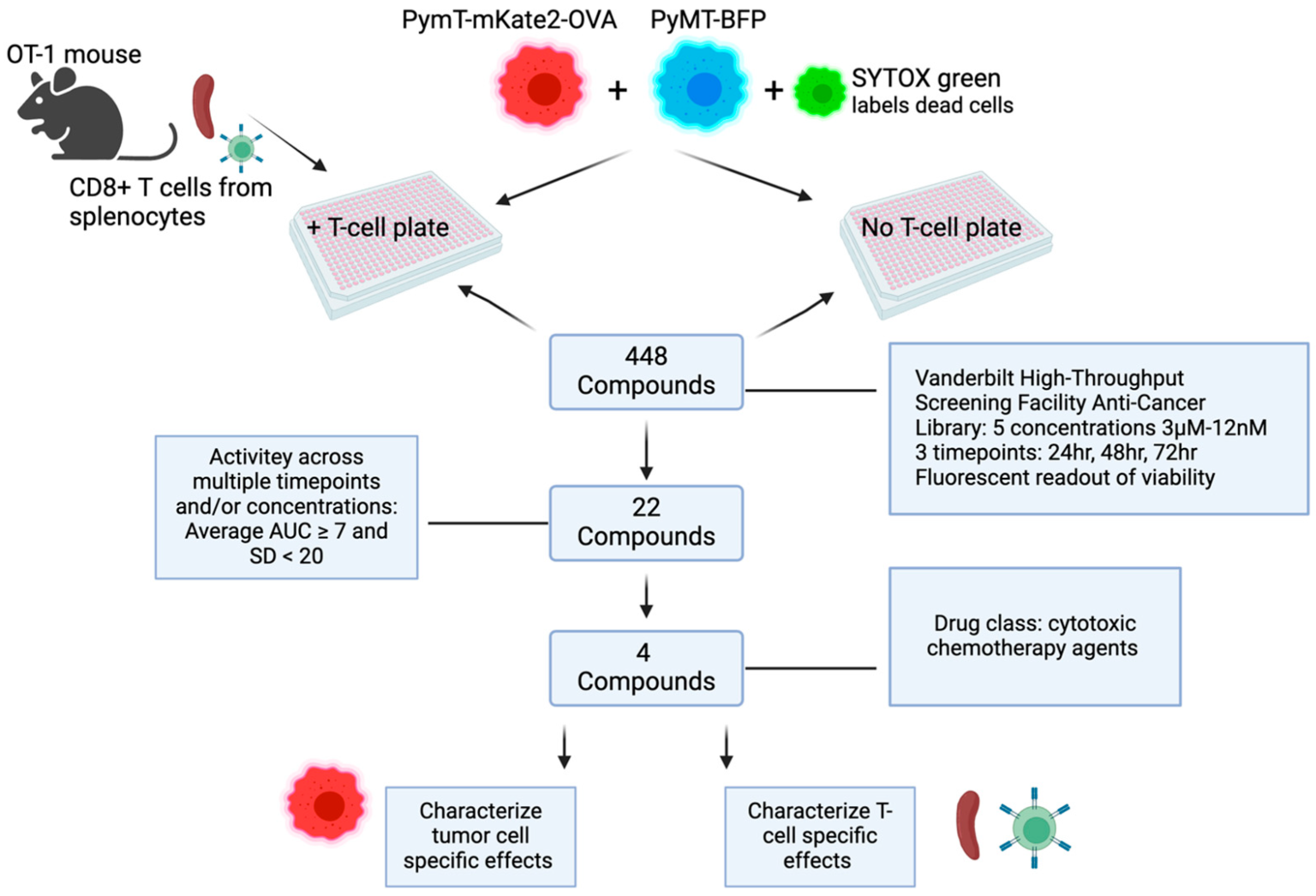
Vanderbilt researchers identify potential drug combinations to improve breast cancer treatment
Kevin Murphy, Andrew W. Mellon Chair in the Humanities and professor of history of art and architecture, and Mary Anne Hunting, BA’80, have uncovered the histories of female architects in the American Modernism period of the U.S. in new research. Read MoreMar 26, 2025
-
Amanda Linkous advances lung cancer research with Merck Research Laboratories Scientific Engagement and Emerging Discovery Science program
Amanda Linkous, research associate professor of pharmacology, has been awarded a research grant from the Merck Research Laboratories Scientific Engagement and Emerging Discovery Science (SEEDS) program to identify therapeutic intervention points to prevent the colonization and proliferation of small cell lung cancer and non-small cell lung cancer in the lung and brain. Read MoreSep 24, 2024
-
Promising drug-like compounds found to have strong action against blood cancers
Research from the lab of Bill Tansey and other collaborators tested protein inhibitors called WINi against a panel of cancer cells and found that they have strong action against blood cancers and synergize with an FDA-approved cancer drug. Read MoreSep 5, 2024
-
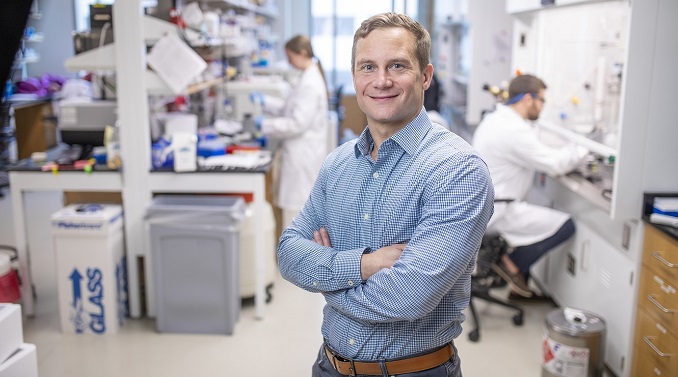
New nanoparticles boost immune system in mice to fight skin, breast cancer
Vanderbilt researchers have developed a set of nanoparticles that stimulate the immune system in mice to fight cancer and may eventually do the same in humans. Read MoreJul 25, 2024
-
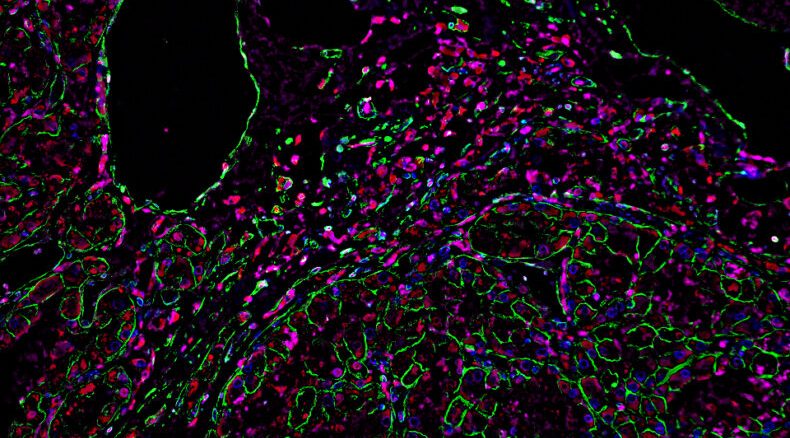
Obesity-cancer connection discovery suggests strategies for improving immunotherapy
The study reported in the journal Nature provides a mechanistic explanation for the “obesity paradox” — that obesity can contribute to cancer progression but also improve response to immunotherapy. Read MoreJun 13, 2024
-
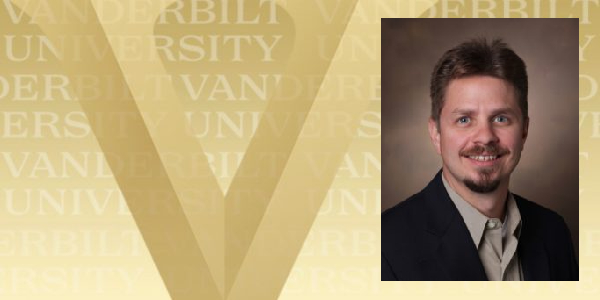
Vanderbilt-discovered cancer killing compound is now available through Boehringer Ingelheim open science portal opnMe
Researchers in the lab of Stephen Fesik, Orrin H. Ingram II Chair in Cancer Research, have added BI-0474 as the second molecule co-discovered by Vanderbilt to the open science portal opnMe.com, an initiative being driven by biopharmaceutical company Boehringer Ingelheim. Read MoreMay 30, 2024
-

Research Snapshot: Understanding protein mutations that affect gene expression
Graduate student Hillary Layden studies transcriptional control of cancer in the lab of Scott Hiebert, Hortense B. Ingram Chair in Cancer Research and professor of biochemistry. She shares the results from her research in which she used a deep genomic analysis to determine how protein mutations influence gene expression to promote cancer progression. Read MoreMay 30, 2024
-

Lau lab publishes authoritative reference article on the hallmarks of precancer
Ken Lau, professor of cell and developmental biology, and colleagues have laid out the principles governing the biology of early, precancerous lesions, which are different from the principles that govern cancers. Their authoritative perspective was published in Cancer Discovery in April 2024. Read MoreMay 9, 2024
-
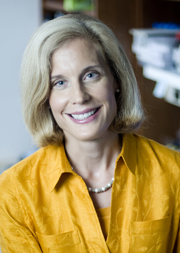
Pietenpol to receive American Society of Clinical Oncology’s highest honor
Jennifer Pietenpol, Ingram Professor of Cancer Research and professor of biochemistry, is the 2024 recipient of the Science of Oncology Award, which is presented annually to an individual who has made outstanding contributions to basic or translational research in cancer. Read MoreApr 17, 2024
-
Foundation funds research to block drug resistance in cancer treatment
The Robert J. Kleberg, Jr. and Helen C. Kleberg Foundation has awarded a three-year grant to support research led by Houra Merrikh, PhD, professor of Biochemistry, and Ben Ho Park, MD, PhD, the Benjamin F. Byrd Jr. Professor of Oncology and director of Vanderbilt-Ingram Cancer Center, to create an anti-evolution drug to reduce the capacity of cancer cells to develop resistance. Read MoreSep 5, 2023
-

Biomedical engineering graduate student is a Ford Foundation Fellow
Biomedical engineering graduate student Ismael Ortiz has been awarded a fellowship in the Ford Foundation Fellowship Programs competition administered at the Fellowships Office of the National Academies of Sciences, Engineering and Medicine. Ford Predoctoral Fellowships are highly competitive with a typical overall success rate of only 4% to 5%. Fellowships provide three years of support at... Read MoreFeb 7, 2023
-
Nanoengineering may hold the key to developing more effective, safer treatments for a deadly childhood cancer
Neuroblastoma is one of the most common—and lethal—forms of childhood cancer, accounting for 15 percent of pediatric cancer deaths each year. (Despite the name, neuroblastoma is not a form of brain cancer; it typically consists of tumors found in the abdomen, chest, neck, pelvis and bones.) Currently, children with neuroblastoma are treated with aggressive forms... Read MoreSep 15, 2022
-
Nanoengineering may hold the key to developing more effective, safer treatments for a deadly childhood cancer
Neuroblastoma is one of the most common—and lethal—forms of childhood cancer, accounting for 15 percent of pediatric cancer deaths each year. (Despite the name, neuroblastoma is not a form of brain cancer; it typically consists of tumors found in the abdomen, chest, neck, pelvis and bones.) Currently, children with neuroblastoma are treated with aggressive forms... Read MoreSep 15, 2022
-

Vanderbilt biostatisticians launch Cancer-Immu data portal for predicting response to immune checkpoint blockade immunotherapy
A new data portal called Cancer-Immu established by a team of Vanderbilt University Medical Center biostatisticians can help cancer clinicians and researchers predict which patients will respond to immune checkpoint inhibitors. Read MoreJan 14, 2022