Breast Cancer
-
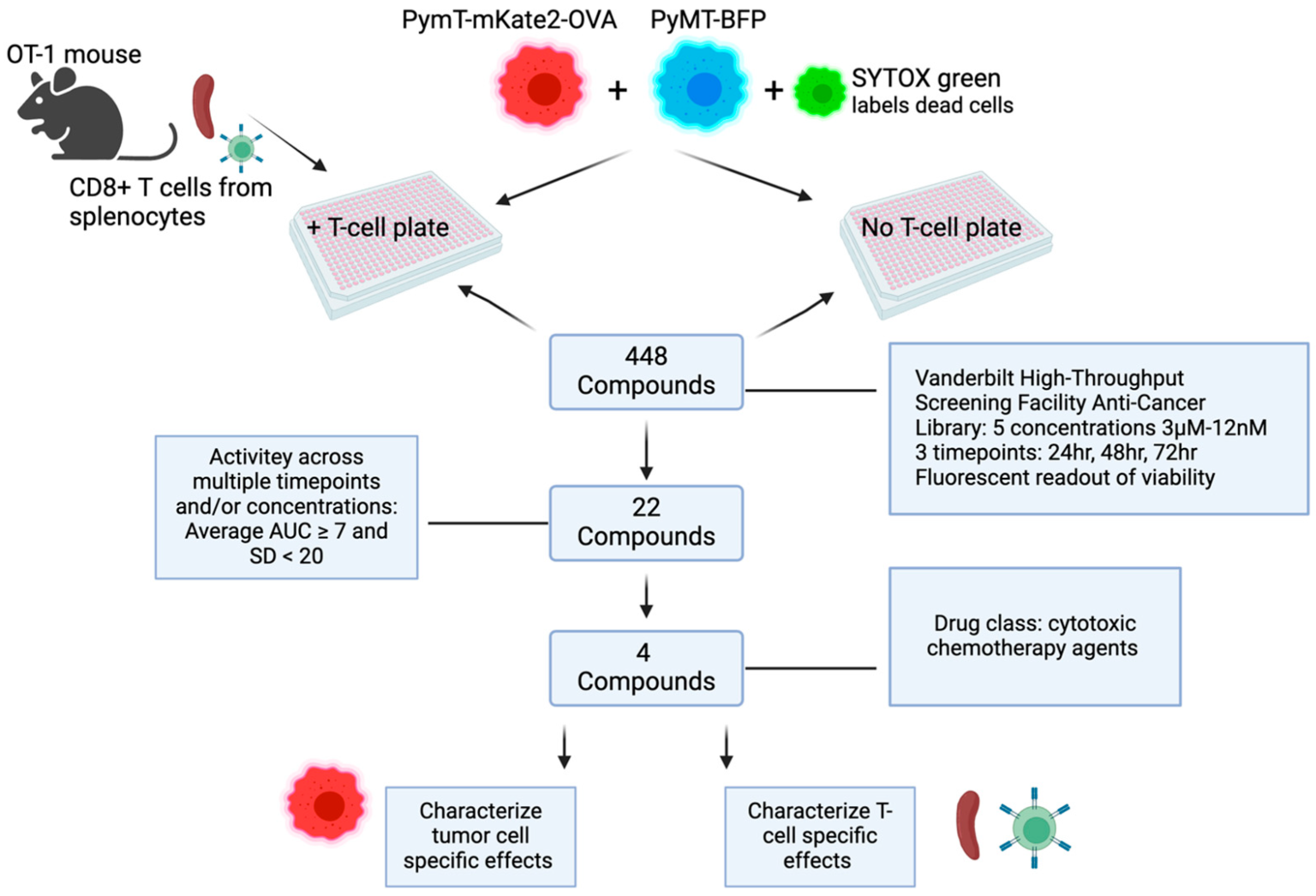
Vanderbilt researchers identify potential drug combinations to improve breast cancer treatment
Kevin Murphy, Andrew W. Mellon Chair in the Humanities and professor of history of art and architecture, and Mary Anne Hunting, BA’80, have uncovered the histories of female architects in the American Modernism period of the U.S. in new research. Read MoreMar 26, 2025
-
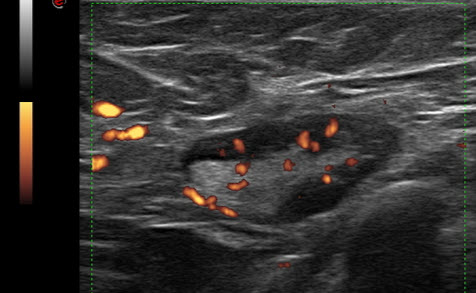
Ultrasound imaging of breast cancer tumors offers non-invasive monitoring of radiation and immunotherapy response effectiveness
In the ongoing battle against triple negative breast cancer, Vanderbilt researchers have uncovered a promising non-invasive method to track how tumors respond to radiation and immunotherapy, which uses the body’s own immune system to fight cancer. Read MoreFeb 13, 2025
-
In aggressive form of breast cancer, response to therapy may contribute to tumor regrowth, according to Vanderbilt-led study
A recent study by a team of researchers at Vanderbilt University found that response to radiation therapy for triple negative breast cancer (TNBC)—one of the most aggressive forms of the disease—may contribute to tumor recurrence. Read MoreNov 20, 2024
-
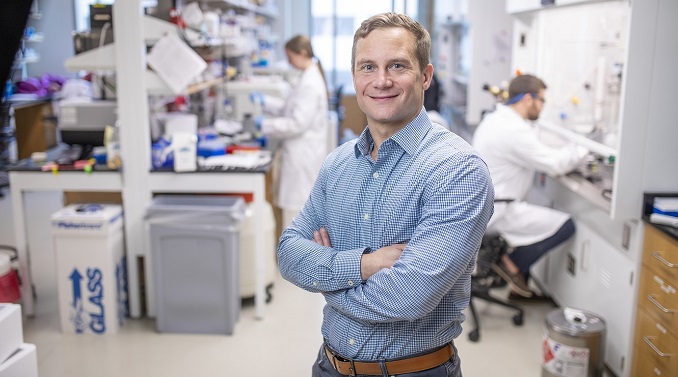
New nanoparticles boost immune system in mice to fight skin, breast cancer
Vanderbilt researchers have developed a set of nanoparticles that stimulate the immune system in mice to fight cancer and may eventually do the same in humans. Read MoreJul 25, 2024
-

Five-year, multi-site trial to assess lymphedema prevention concludes
Lymphedema study results could be a game-changer for breast cancer patients and survivors. The Vanderbilt-led trial found that patients with early detection who used L-Dex with additional intervention were less likely to progress to chronic lymphedema than patients monitored with a tape measure receiving the same intervention. Read MoreJun 20, 2022
-
‘Multi-omics’ reveals treatment option for breast cancer subtype
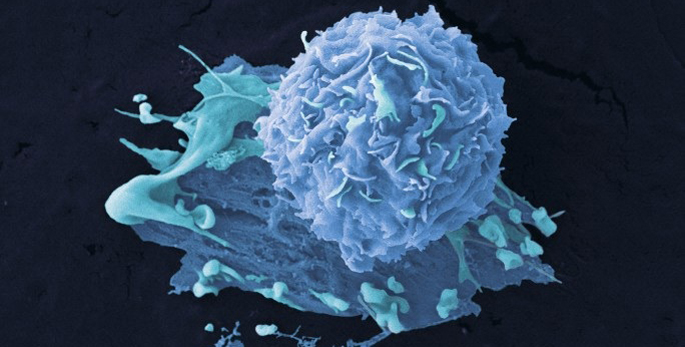
by Bill Snyder In a multidisciplinary collaboration, researchers at Vanderbilt University Medical Center and the University of Miami Miller School of Medicine have identified a subtype of triple-negative breast cancer (TNBC) that appears to be able to escape detection by the immune system and evade immunotherapy. Their report, published Nov. 1 in the journal... Read MoreNov 18, 2021
-

Structural variants in breast cancer risk genes
Vanderbilt epidemiologists conducted in-depth whole genome sequencing of breast cancer risk genes in Black women, who die at higher rates and have more aggressive disease, to discover mutations that may improve testing and treatment selection. Read MoreSep 16, 2021
-

Prediction models for breast cancer
Vanderbilt researchers developed new prognostic models for breast cancer outcomes and found that adding postdiagnostic weight change as a factor improves the prediction. Read MoreJul 27, 2021
-
Mood and cognition after chemotherapy
Validation of cognitive complaints appears to improve mood in patients with persistent chemotherapy-cognitive impairment, Vanderbilt researchers report. Read MoreJul 26, 2021
-

Breast cancer treatment in older women
A new study from Vanderbilt epidemiologists suggests that it’s time to reconsider clinical practice guidelines for the treatment of early-stage breast cancer in older women. Read MoreNov 12, 2020
-

The importance of estrogen cycles
Deborah Lannigan and colleagues identify a key regulator of the estrogen receptor and suggest that its downregulation by oral contraceptives may increase oxidative stress and DNA damage, a common cause of cancer. Read MoreAug 6, 2020
-

Triple-negative breast cancer drug therapy shows promise
Researchers from Vanderbilt-Ingram Cancer Center (VICC) discovered a role for MYCN in triple-negative breast cancer (TNBC), a particularly aggressive form of the disease, and identified a potential intervention for further clinical investigation. Read MoreMar 12, 2020
-
Breast cancer study may help predict treatment response
Researchers at VUMC are reporting another advance in the understanding and treatment of triple-negative breast cancer, which is particularly aggressive and difficult to treat. Read MoreFeb 27, 2020
-

Imaging breast cancer cell size
A noninvasive MRI approach assesses breast tumor cell size and could be a useful way to evaluate early response to neoadjuvant therapy. Read MoreFeb 10, 2020
-
HDL-cholesterol and breast cancer risk
Genetic analyses suggest that high circulating HDL-cholesterol levels may increase breast cancer risk — a surprising finding since increased HDL-cholesterol is thought to be healthy. Read MoreJan 23, 2020
-

Another way to detect lymphedema
Early detection of lymphedema, which occurs in 20% of patients following breast cancer treatment, may improve therapeutic options for patients. Read MoreOct 22, 2019
-
Study finds men have higher mortality rate after breast cancer diagnosis
A new study shows men with breast cancer are more likely to die than their female counterparts, across all stages of disease. Read MoreOct 17, 2019
-

A “rheostat” for cancer signals
Jason MacGurn and colleagues have characterized a “rheostat” that sets WNT pathway signaling in breast cancer cells. Read MoreAug 27, 2019
-
Biomarkers of DNA methylation can be a predictor of breast cancer risk
Biomarkers of DNA methylation, which regulate gene expression, can be a predictor of breast cancer risk. Read MoreJun 26, 2019
-
Like racecars and geese, cancer cells draft their way to new tumor sites
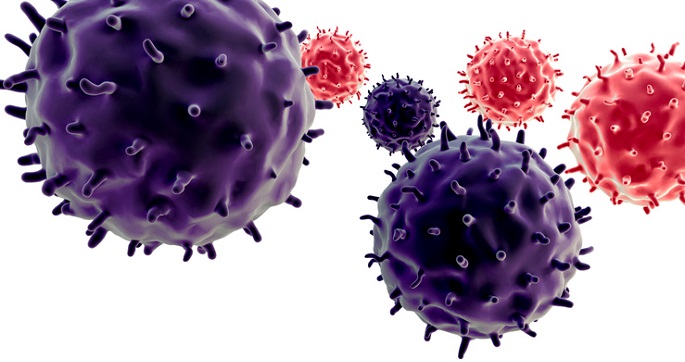
The finding gives a boost to the field of metabolomics, the next big thing in fighting cancer. It can complement immunotherapies, which use the body’s natural defenses to kill cancer cells. Read MoreMar 25, 2019