Brain Research
-

Michael Kim: Mapping the brain’s communication system
Inspired by a childhood fascination with medical imaging, Vanderbilt Ph.D. graduate Michael Kim is using advanced brain imaging and AI to better understand Alzheimer's disease and healthy brain aging. His research is helping map the brain's communication pathways and could shape the future of precision medicine. Read MoreJul 8, 2026
-

Breakthrough study shows how brain-to-computer ‘electroceuticals’ can help restore cognition
Just like electrical stimulation of heart muscles can restore a regular heartbeat, new research led by Thilo Womelsdorf suggests that "electroceutical" intervention in the brain can improve memory and other cognitive functions wrought by behavioral health disorders and diseases like Alzheimer's and Parkinson's. Womelsdorf, professor of psychology and biomedical engineering at the Vanderbilt Brain Institute, said, “For these cognitive disabilities, brain-computer interfaces promise to become next-generation electroceutical treatment options.” Read MoreJul 10, 2025
-
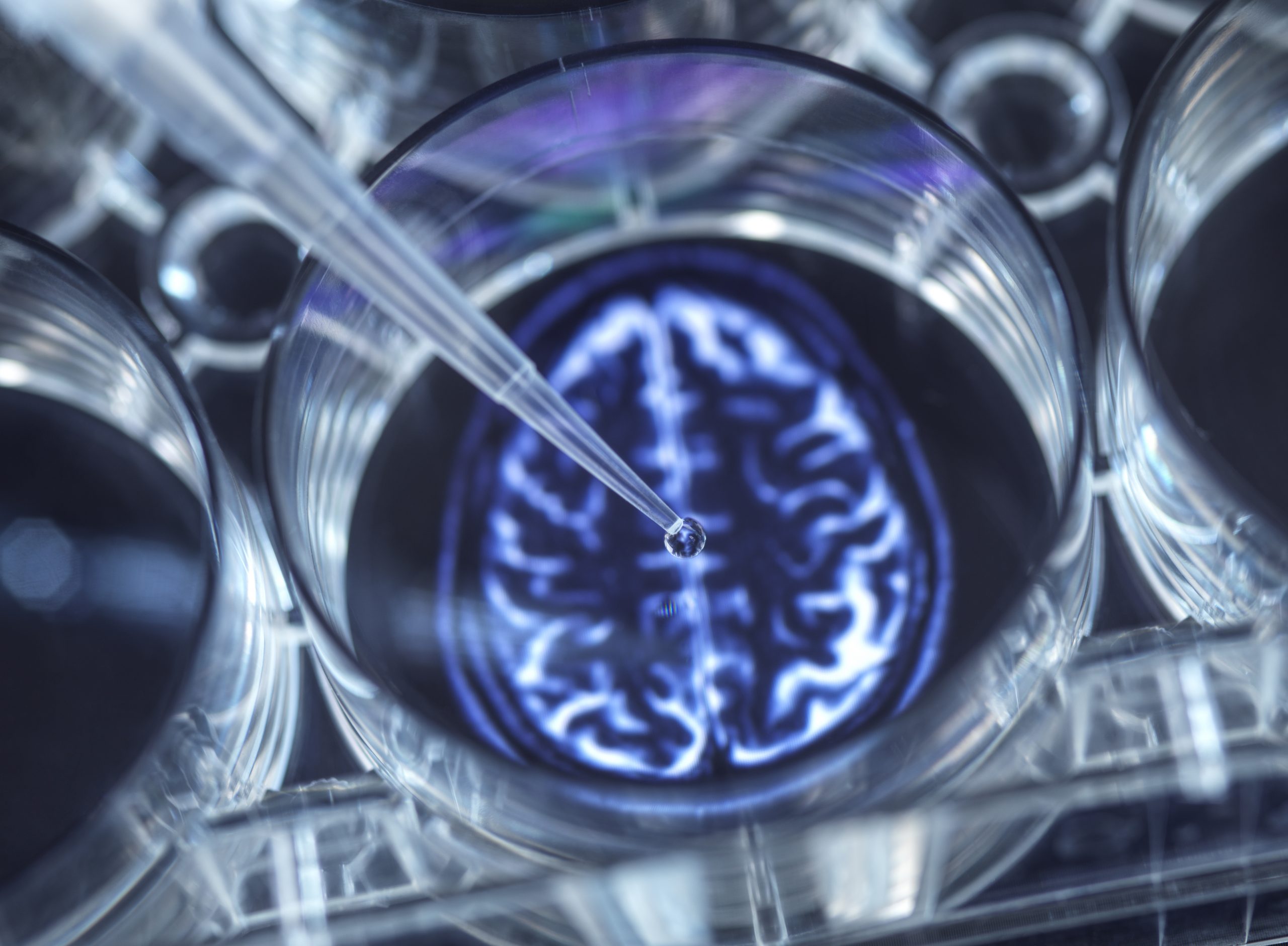
Jackson Lab reveals relationship between transport proteins and brain disease
Fat and protein molecules are essential to human brain health, and there are microscopic transport hubs that make sure the right molecules get to the right cells. If the proteins aren’t interacting properly, they can wind up in the wrong places—a problem that’s been linked to diseases like Alzheimer’s, Parkinson’s and ALS. Research in Associate Professor Lauren Jackson’s lab has uncovered how those proteins interact. Read MoreMar 27, 2025
-
Brain circuits in schizophrenia
Vanderbilt psychiatrists are probing brain circuit hyperactivity implicated in schizophrenia, with the idea that normalizing the hyperactivity may improve cognitive processes. Read MoreSep 20, 2021
-

Trans-institutional collaboration receives $2 million BRAIN Initiative grant, developing brain organoids to map neurological development
Vivian Gama, assistant professor of cell and developmental biology, and Leon Bellan, associate professor of mechanical engineering and biomedical engineering, have won a $2.3 million, three-year grant from the National Institutes of Health Brain Research through Advancing Innovative Neurotechnologies Initiative. Vivian Gama Leon Bellan (Vanderbilt University) The researchers will be developing three-dimensional brain organoids and... Read MoreFeb 3, 2021
-
Trans-institutional collaboration receives $2 million BRAIN Initiative grant, developing brain organoids to map neurological development
Vivian Gama, assistant professor of cell and developmental biology, and Leon Bellan, associate professor of mechanical engineering and biomedical engineering, have won a $2.3 million, three-year grant from the National Institutes of Health Brain Research through Advancing Innovative Neurotechnologies Initiative. Vivian Gama Leon Bellan (Vanderbilt University) The researchers will be developing three-dimensional brain organoids and... Read MoreFeb 3, 2021
-
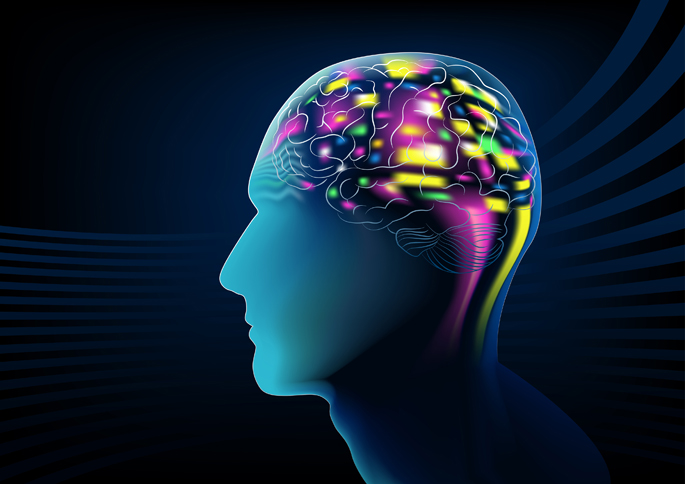
Brain connections in schizophrenia
Brain imaging studies have implicated the connection between two brain regions in the pathophysiology of schizophrenia. Read MoreMar 9, 2018
-
Grant bolsters Nakagawa’s research on autism, other brain disorders
Terunaga Nakagawa, M.D., Ph.D., associate professor of Molecular Physiology and Biophysics, has received a two-year, $100,000 grant from the Brain and Behavior Research Foundation to continue his studies of the molecular underpinnings of autism and other brain disorders. Read MoreApr 20, 2017
-
Refining neural circuitry
During development, neural circuits are remodeled – some synapses are eliminated and others are strengthened – to produce a mature, functional nervous system. Read MoreAug 2, 2016
-
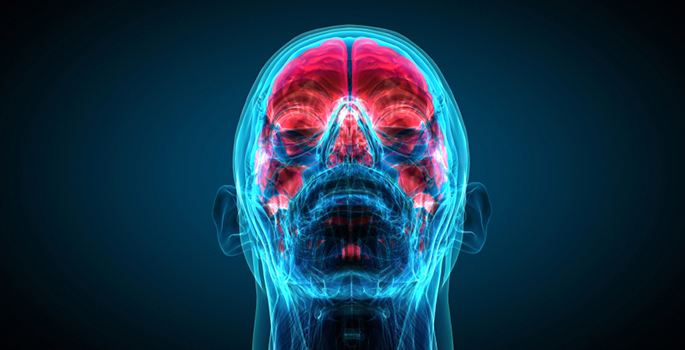
Study shows brain function differs in obese children
The brains of children who are obese function differently from those of children of healthy weight, and exhibit an “imbalance” between food-seeking and food-avoiding behaviors, researchers at Vanderbilt University Medical Center have found. Read MoreJan 21, 2016
-
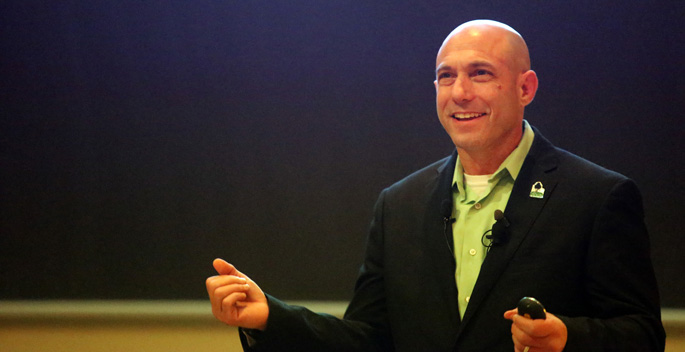
Science, compassion can prevent violence: Sandy Hook father
What do you do when your only child is murdered in a brutal, sensationalized act of violence? Read MoreNov 19, 2015
-
Sandy Hook victim’s father to speak on violence and the brain
Jeremy Richman, Ph.D., a neuroscientist and founder of a foundation named for his daughter, Avielle, who was killed in the Sandy Hook Elementary School shooting in 2012, will lecture Nov. 16 at Vanderbilt University Medical Center. Read MoreNov 5, 2015
-
Brain circuitry in psychosis
Functional magnetic resonance imaging has revealed faulty circuits between the thalamus – a central hub of brain activity – and other brain regions. Read MoreAug 21, 2015
-
Neuronal culprit in genetic disease
A particular neuronal cell population is involved in the pathogenesis of a rare neurological disorder, Vanderbilt researchers have discovered. Read MoreOct 14, 2014
-
Team takes 4-D look at brain receptor’s role
Reporting last week in the journal Cell, researchers from Oregon Health and Science University, Harvard Medical School and Vanderbilt University describe the first “four-dimensional” picture of a brain receptor that plays a key role in learning and memory. Read MoreAug 14, 2014
-
Brain research foundation lauds VU’s Winder, Park
Vanderbilt University’s Danny Winder, Ph.D., professor of Molecular Physiology and Biophysics, is among 15 scientists nationwide to receive NARSAD Distinguished Investigator Grants this fall for their “cutting-edge” research. Read MoreDec 5, 2013