Blood Pressure
-
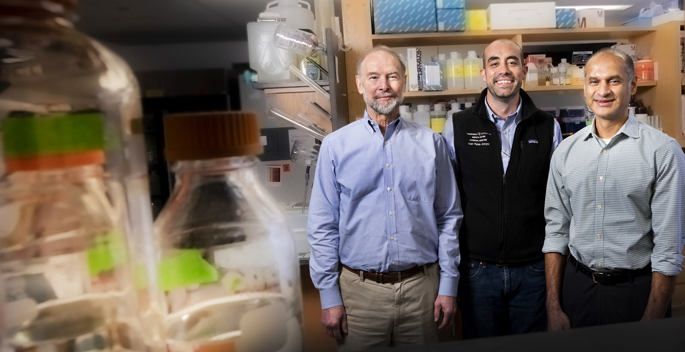
VUMC researchers upend dogma about vasopressin production
Vanderbilt investigators have discovered that vasopressin, which has long been thought to be produced only in the brain, is also produced in the kidney. Read MoreJan 5, 2023
-
High blood pressure genes improve heart surgery survival in children
Vanderbilt researchers have found that children with a genetic makeup that predicts high blood pressure as adults are more likely to survive congenital heart defect repair surgery. Read MoreMar 24, 2022
-
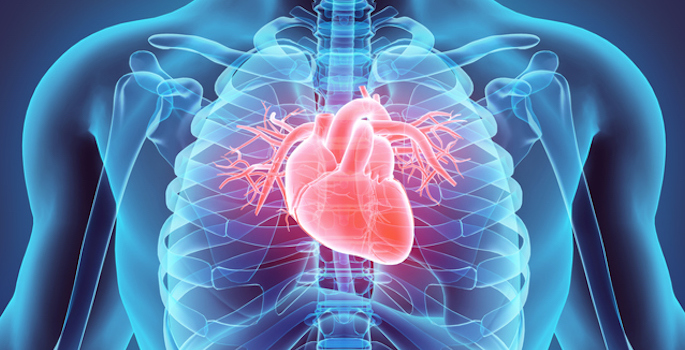
Heat for hypertension in autonomic failure
Heat therapy could offer a novel nonpharmacologic approach for treating the overnight hypertension that affects patients with autonomic failure. Read MoreMay 25, 2021
-
Salt, immune cells and hypertension
Excess dietary salt activates immune cells to induce inflammation and hypertension, supporting current recommendations for low sodium consumption. Read MoreAug 20, 2020
-
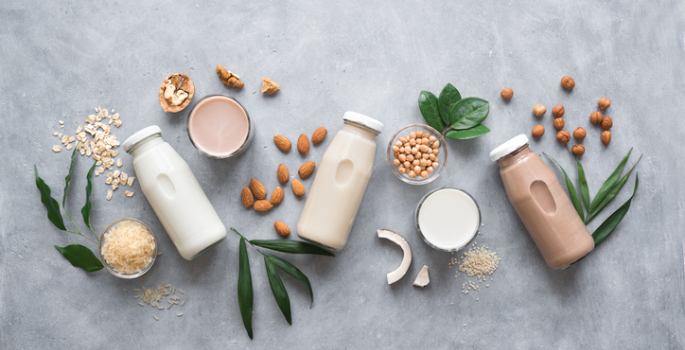
Soy food, metabolism and the microbiome
Consumption of soy foods may shape the microbiome and protect against hypertension only in individuals with soy-responsive microbiota, Vanderbilt researchers have discovered. Read MoreJul 27, 2020
-
How salt increases blood pressure
Vanderbilt researchers have discovered that a protein called SGK1 in immune cells is activated by sodium, leading to the development of salt-sensitive hypertension. Read MoreSep 5, 2019
-
Salt, inflammation and hypertension
Vanderbilt researchers have identified a pathway that links excess sodium, inflammation and hypertension. Read MoreNov 13, 2017
-
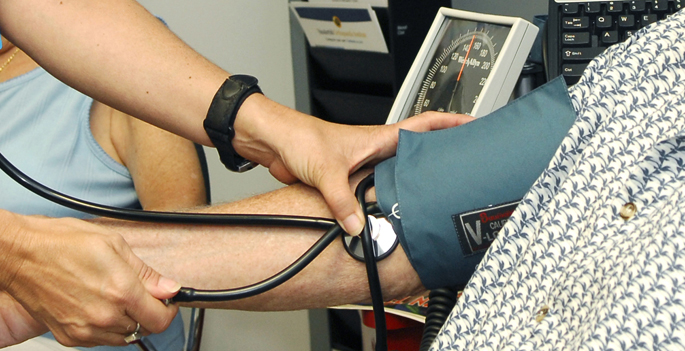
Study shows lower systolic BP targets reduce death risk
The initial results of a landmark clinical trial sponsored by the National Institutes of Health (NIH) indicate lowering systolic blood pressure below a commonly recommended target significantly reduces rates of cardiovascular events and lowers risk of death in a group of adults 50 years and older. Read MoreSep 17, 2015
-
Team tracks how kidney responds to blood pressure meds
Changes in the kidney can limit the blood pressure-lowering effects of thiazide diuretics, a new study reports. Read MoreApr 30, 2015
-
Immune cells’ role in hypertension
Vanderbilt researchers have discovered that certain immune cells contribute to the development of hypertension, suggesting novel targets for treating the disease. Read MoreOct 24, 2014
-

Study tracks skin salt’s role in blood pressure control
Clinical pharmacologist Jens Titze, M.D., and his colleagues have identified a new cast of cells and molecules that function in the skin to control sodium balance and blood pressure. Read MoreJun 6, 2013
-
Simulated Mars mission reveals body’s sodium rhythms
Clinical pharmacologist Jens Titze, M.D., and colleagues have discovered that – in contrast to the prevailing dogma – human sodium levels fluctuate rhythmically with 7-day and monthly cycles. Read MoreJan 10, 2013
-

Mixed results define 2012 Tennessee Men’s Health Report Card
Heart disease is still the leading cause of death for men in Tennessee and cancer deaths continue to move further away from the Centers for Disease Control and Prevention’s Healthy People 2020 goal, according to the 2012 Tennessee Men’s Health Report Card. Read MoreJun 12, 2012
-
Better blood pressure-reducing drugs?
A newer version of an old class of blood pressure lowering drugs may offer advantages for obese patients with metabolic syndrome. Read MoreApr 30, 2012
-

Kidney dopamine regulates blood pressure, life span
Vanderbilt University Medical Center investigators have demonstrated that dopamine produced outside the brain – in the kidneys – is important for renal function, blood pressure regulation and life span. Read MoreAug 5, 2011
-
Vanderbilt: Laboratory for health care reform
Vanderbilt University Medical Center is a laboratory for health care reform. Increasingly, Vanderbilt researchers are applying their expertise in informatics, genomics, drug discovery, basic science and clinical medicine to the solution of critical problems in patient care. Bedside checklists and electronic “dashboards” developed at Vanderbilt, for example, enable doctors and… Read MoreApr 15, 2011
-

The Unusual Use Of Blood Pressure Medicine Saves Baby’s Life
A non-cancerous tumor was slowly strangling a two-month-old baby. A Vanderbilt University Medical Center doctor gave the baby a very common blood pressure medicine and within a day, there were miraculous results. Barb Cramer has the story. Read MoreMar 21, 2010