Audrey Bowden
-
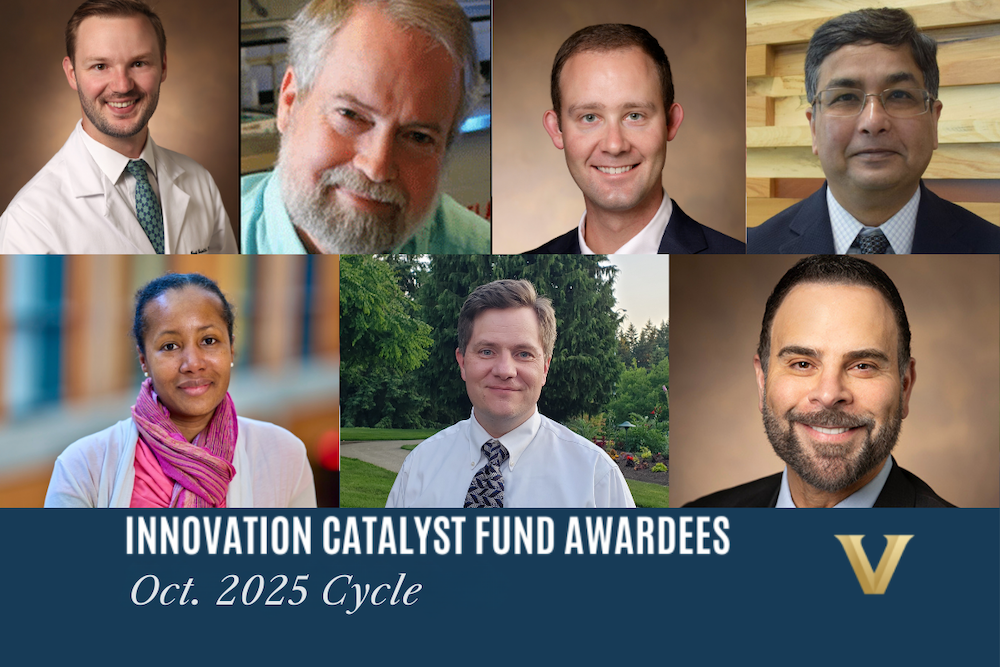
Innovation Catalyst Funds awarded to seven faculty from October 2025 cycle
Vanderbilt University announced seven recipients of the Innovation Catalyst Fund awards for the October 2025 cycle. The awards offer strategic pre-seed funding to help faculty across a wide range of disciplines turn promising research concepts into tangible solutions that address fundamental societal needs. Read MoreFeb 2, 2026
-
Vanderbilt Kennedy Center announces 2025–26 Nicholas Hobbs Discovery Award recipients
The Vanderbilt Kennedy Center has announced its latest Nicholas Hobbs Discovery Awards, which recognize innovative research to improve the lives of people with intellectual and developmental disabilities. Colleen Niswender, Dr. Bill Nobis, Audrey Bowden and Laurie Cutting are the recipients for 2025–26, earning support for projects that address Rett syndrome, Dravet syndrome and other developmental epilepsies, and reading difficulties like dyslexia. Read MoreDec 4, 2025
-
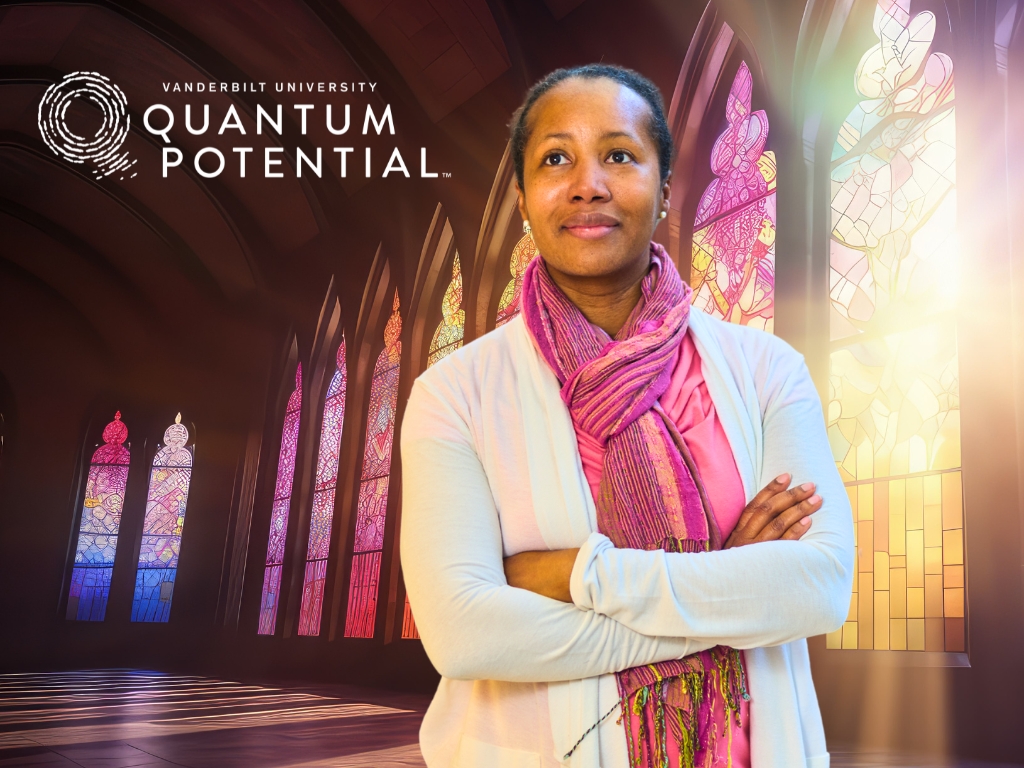
Audrey Bowden’s science and faith illuminate invisible diseases
Learn about the inspiration that drives biomedical engineer Audrey Bowden in her work using light towards breakthroughs in medical issues from cancers to jaundice to ADHD. Read MoreMar 24, 2025
-
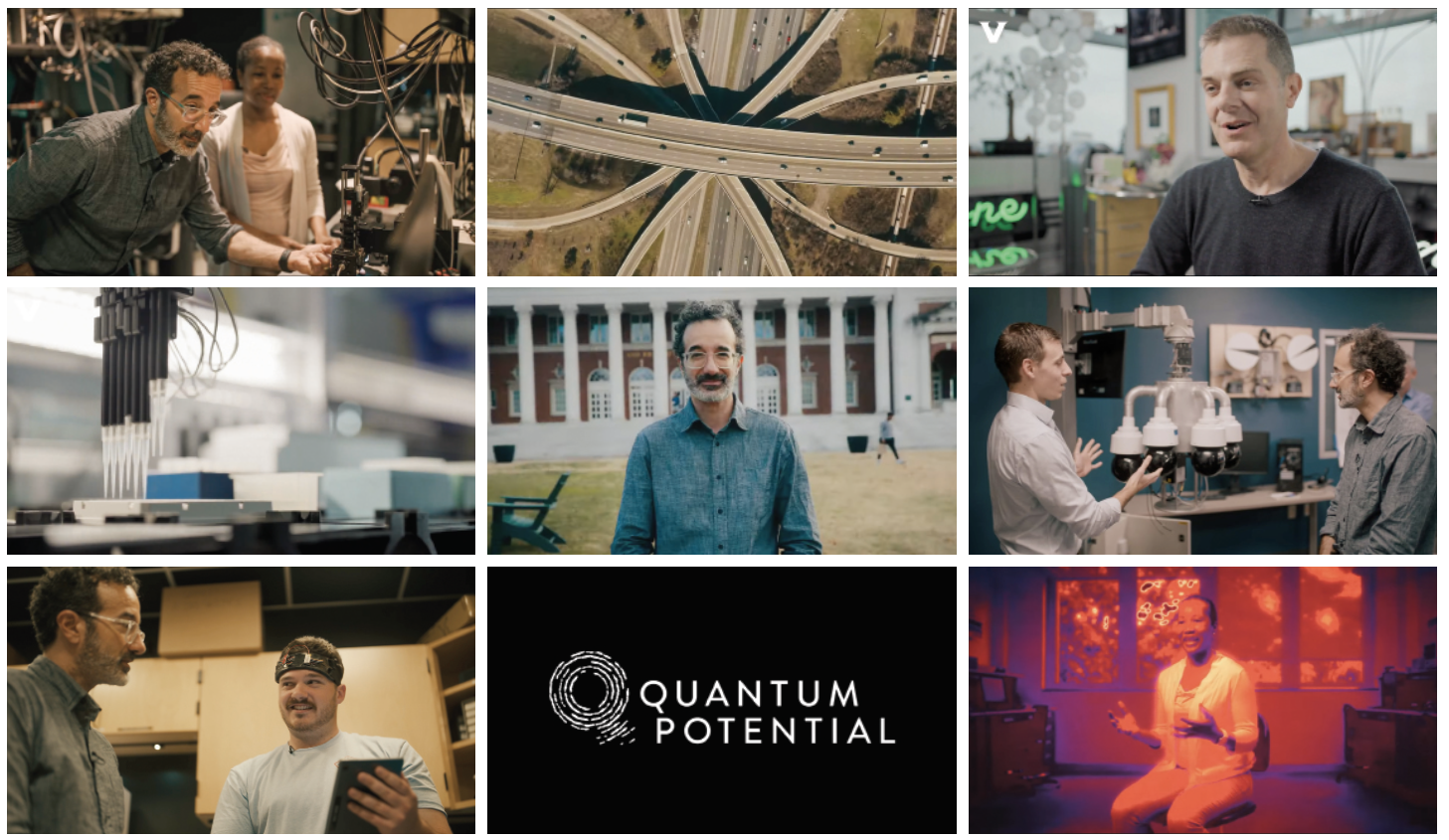
Q & A: Understanding Quantum Potential
Jad Abumrad, Distinguished Research Professor of Communication of Science and Technology and creator of Vanderbilt’s Quantum Potential series, talks to Vanderbilt Magazine about this groundbreaking project, described as a collection of wild but precise portraits of the scholars, scientists and students at Vanderbilt who are finding new ways to understand the world—and change it. Read MoreApr 22, 2024
-
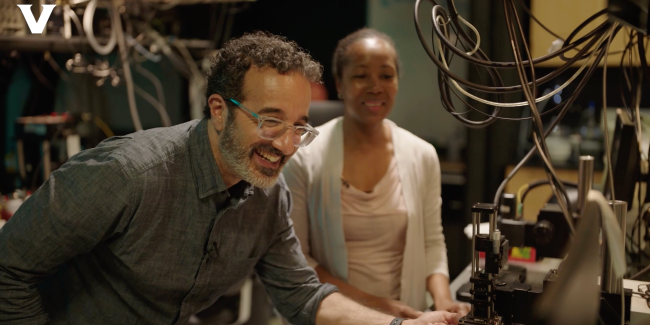
Vanderbilt University’s Quantum Potential unveiled: Meet the minds shaping our future
Quantum Potential is a collection of wild but precise portraits of the scholars, scientists and students at Vanderbilt who are finding new ways to understand the world—and change it. A premiere event will take place Oct. 11 at 6 p.m., including a screening of two short films, behind-the-scenes discussions and an immersive performance. The event is open the general public; registration is required. Read MoreOct 6, 2023
-
Audrey Bowden receives NIH funding to develop point-of-care detection of jaundice in newborns
Audrey Bowden, Dorothy J. Wingfield Phillips Chancellor’s Faculty Fellow and associate professor of biomedical and electrical engineering, has won a grant from the National Institute of Biomedical Imaging and Bioengineering to develop a novel noninvasive smartphone-integrated device to provide accurate, point-of-care detection of jaundice in newborns of all skin tones. Audrey Bowden Newborns have immature... Read MoreOct 13, 2022
-
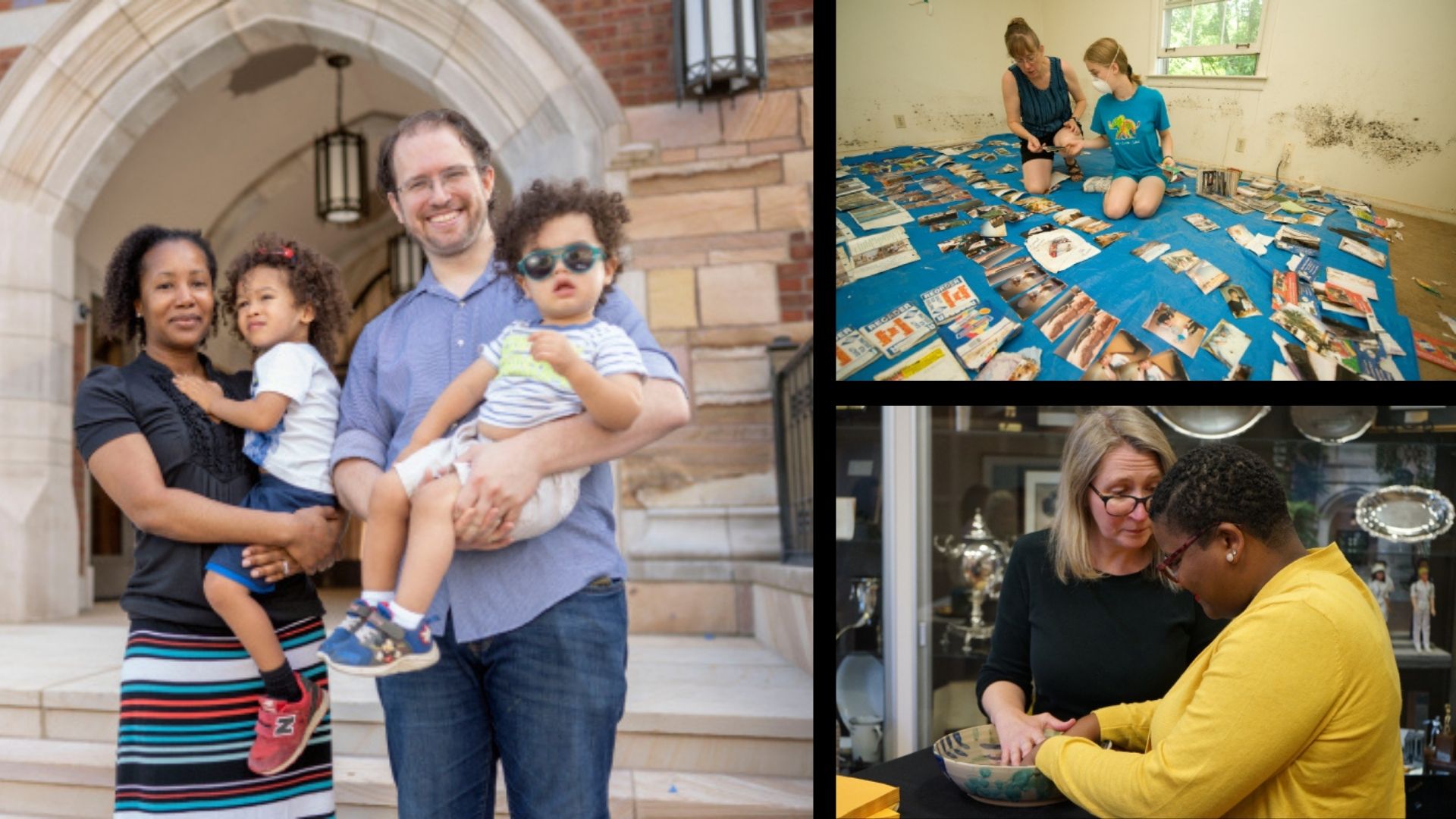
Moms who research moms: Spotlighting VU research on motherhood
They say motherhood is the toughest job you’ll ever love. That’s true for this group of Vanderbilt researchers, who’ve built successful careers around researching various aspects of parenthood while raising their own children. Read MoreMay 5, 2022
-
Headband device suitable for use at home with young ADHD patients
Vanderbilt biomedical engineering professor has developed a prototype headband to measure brain activity that could have widespread application in studying and ultimately treating ADHD and other neurological disorders. The device is lightweight, portable, and inexpensive to construct. Prototype components cost less than $250, compared to costs exceeding $10,000 for commercial systems. Audrey Bowden, associate professor... Read MoreNov 16, 2021
-
Headband device suitable for use at home with young ADHD patients
Vanderbilt biomedical engineering professor has developed a prototype headband to measure brain activity that could have widespread application in studying and ultimately treating ADHD and other neurological disorders. The device is lightweight, portable, and inexpensive to construct. Prototype components cost less than $250, compared to costs exceeding $10,000 for commercial systems. Audrey Bowden, associate professor... Read MoreNov 16, 2021
-

What’s On My Mind: Elevating Trailblazers and reflecting our community through art
We must ensure that the artwork displayed at Vanderbilt celebrates role models that inspire all members of our rich mosaic, writes Chancellor Nicholas S. Zeppos in this week's column. Read MoreOct 15, 2018