American Diabetes Association
-

New research points to cell subtypes that increase risk of diabetes
Three Vanderbilt faculty members are diving into a "chicken-and-egg" problem of type 2 diabetes: Does the disease change beta-cell subtypes? Or do changes in the cells cause diabetes? Guoqiang Gu, Emily Hodges and Ken Lau have come up with a new method of studying the subtypes that can track them through different stages instead of just once when they're fully developed. "Thanks to this and other research, it may be possible to one day create a diet supplement for pregnancy that could reduce the risk of diabetes for babies," Gu said. Read MoreAug 7, 2025
-
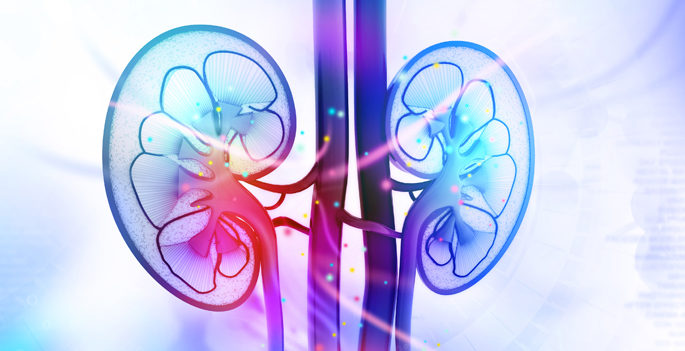
Clue to diabetic kidney disease
Vanderbilt researchers have identified a signaling pathway that promotes kidney fibrosis in patients with diabetes — and that could be targeted with an existing approved medication. Read MoreOct 5, 2020
-
Sex differences in kidney injury
Men are more susceptible to progressive kidney disease than women; new VUMC studies point to differences in the expression and activation of the EGF receptor. Read MoreJul 25, 2019
-
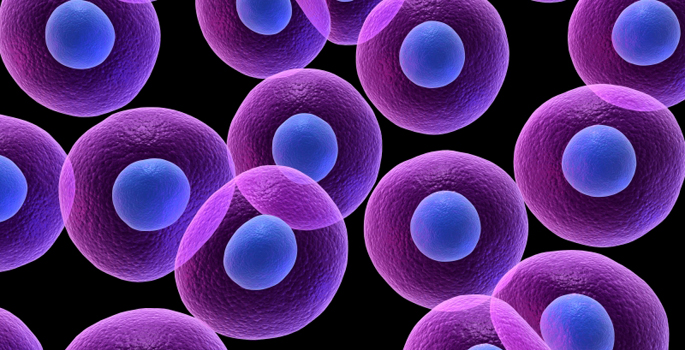
Cellular calcium handling in diabetes
Potassium channels in a cellular organelle regulate calcium flux and appear to play a critical role in pancreatic beta cell health. Read MoreSep 28, 2017
-

American Diabetes Association honors Granner’s achievements
Daryl Granner, M.D., professor of Molecular Physiology and Biophysics, emeritus, at Vanderbilt, has been recognized for outstanding achievements in diabetes research and training by the American Diabetes Association. Read MoreJun 1, 2017
-
Making human beta cells reproduce
A new method developed at Vanderbilt will speed the search for potential therapeutics for diabetes: compounds that stimulate the replication of insulin-producing beta cells. Read MoreDec 8, 2016
-

Work together to control diabetes
Parenting behaviors may be an important target for improving outcomes in adolescents with diabetes. Read MoreJul 15, 2016
-

Family’s diabetes experiences propel Tour de Cure participation
When the Mullis family straps on their helmets on June 11 to ride in the local Tour de Cure, one of a series of cycling events held nationally to benefit the American Diabetes Association (ADA), they will remember a day seven years ago that motivated their annual participation in the event. Read MoreMay 26, 2016
-

Gannon to chair ADA science session planning committee
Maureen Gannon, Ph.D., associate professor of Medicine, has been appointed chair of the American Diabetes Association (ADA) Scientific Session planning committee. Read MoreMay 5, 2016
-

Vanderbilt’s Powers named president-elect of ADA
Alvin Powers, M.D., director of the Vanderbilt Diabetes Center, has been named president-elect, Medicine and Science, of the American Diabetes Association (ADA) for 2016. Read MoreJan 21, 2016
-
Fighting type 2 diabetes with FGF1
The growth factor FGF1 induces the growth of new insulin-producing beta cells and may help treat type 2 diabetes. Read MoreNov 18, 2015
-
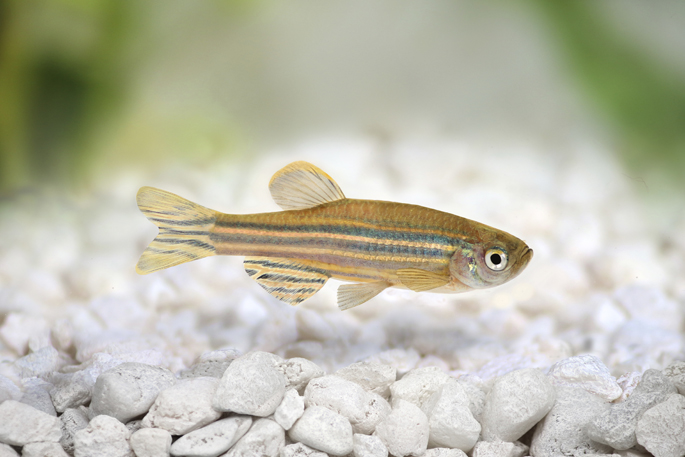
A “CRISPR” way to study disease
Using revolutionary CRISPR technology, Vanderbilt investigators have developed a fast and simple method to simultaneously turn off multiple genes in order to study complex diseases. Read MoreJun 11, 2015
-

Powers named to American Diabetes Association board
Alvin Powers, M.D., professor of Medicine and Molecular Physiology and Biophysics, has been named to the American Diabetes Association Board of Directors. Read MoreJan 30, 2014
-

‘Yo-yo dieting’ inflames fat tissue
Gaining and losing weight during “yo-yo dieting” may contribute to an exaggerated immune response in fat tissue that increases metabolic dysfunction more than steady weight gain alone. Read MoreAug 9, 2013
-

ADA, Vanderbilt united in fight against diabetes
The statistics are jarring. More than 25.8 million children and adults in the United States — 8.3 percent of the population — have diabetes. And predictions are that one in three people will have the chronic disease by 2050. Read MoreNov 29, 2012
-
Obesity turns “good” cholesterol bad
Studies offer new insights into how obesity impairs the function of HDL, the “good” cholesterol. Read MoreMar 21, 2012
-
Initiative to help ‘translate’ diabetes research advances
The new Center for Diabetes Translation Research will translate scientific breakthroughs into practices that can be applied in the doctor’s office and the patient’s home. Read MoreOct 21, 2011