Alzheimer’s Disease
-

First successful clinical trial of VU319 brings Alzheimer’s treatment one step closer
Researchers at the Warren Center for Neuroscience Drug Discovery, a clinical stage biotech within the Vanderbilt University School of Medicine Basic Sciences, have detailed the successful drug discovery of a Phase I Single Ascending Dose clinical trial of VU319, a drug for memory loss in people with Alzheimer’s disease and schizophrenia. Read MoreJan 9, 2025
-
Alzheimer’s genetic risk tracked across sex, race
A Vanderbilt study of genetic risks for cognitive impairment later in life uses data from 32,426 research participants ages 60 and older to elaborate these risks across sex and across the intersection of sex and race. Read MoreJul 17, 2023
-

VISE affiliate receives prestigious NIH award for her research on Alzheimer’s Disease
Biomedical engineering doctoral student Sarah Goodale has been awarded a National Institute on Aging Transition to Postdoc Fellowship for her proposed work on investigating fatigue and sleep disturbance symptoms in Alzheimer’s Disease and their relationship with functional and structural properties of the brain and intellectual decline. The National Institutes of Health NIA F99/K00 award supports... Read MoreNov 3, 2022
-
Study measures Alzheimer’s risk reductions associated with healthy lifestyles
Reported June 13 in Neurology, an Alzheimer’s disease risk study from Vanderbilt University Medical Center measures significantly reduced risk associated with healthy lifestyles, including non-smoking, leisure-time exercise, low-to-moderate alcohol consumption, adequate sleep and healthy diet. Read MoreJun 13, 2022
-
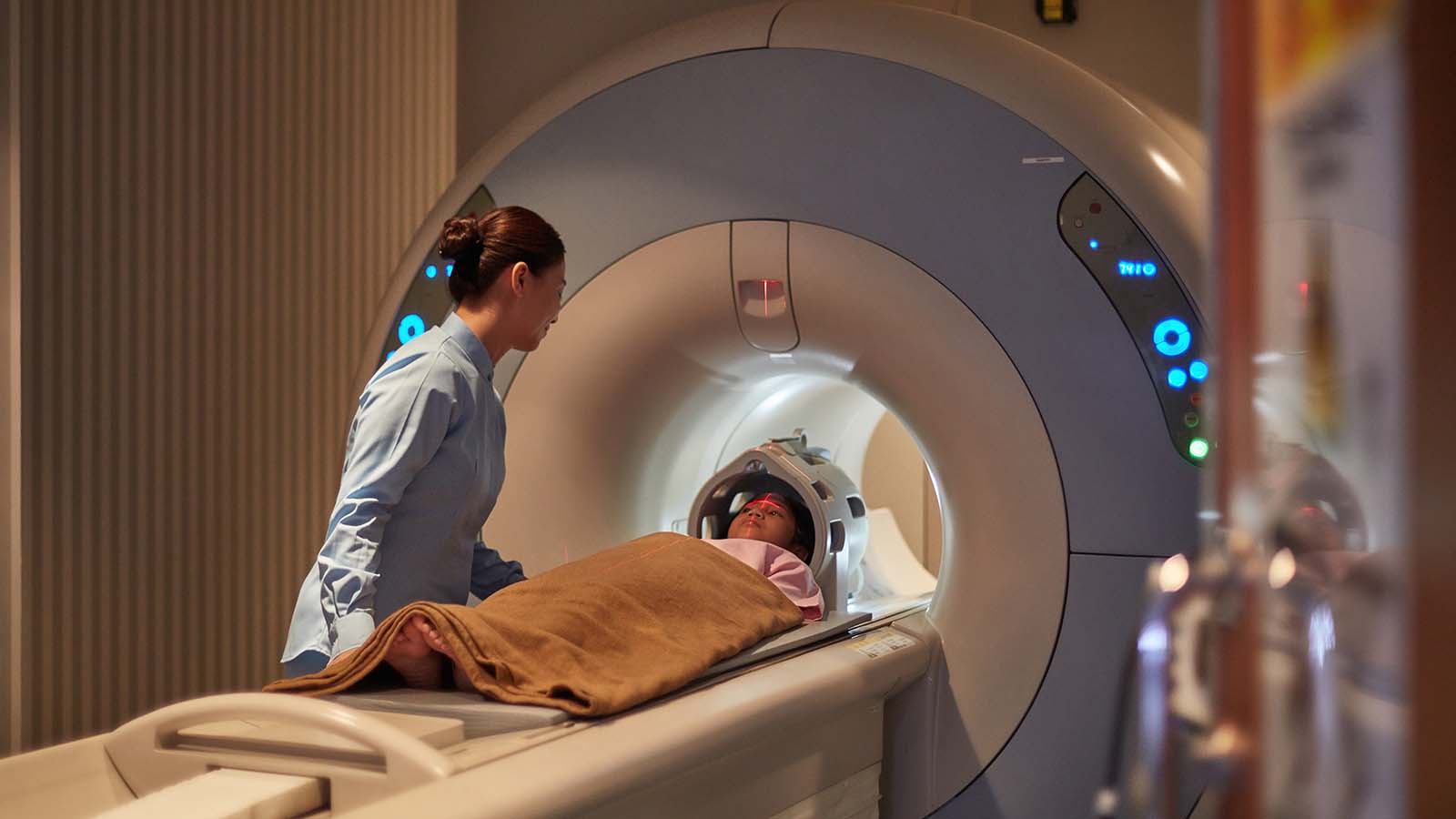
PET imaging probe for Alzheimer’s disease
Vanderbilt researchers report on a new PET imaging probe that will be useful for exploring Alzheimer’s disease pathology. Read MoreFeb 24, 2022
-

“Supermeres” may carry clues to cancer, Alzheimer’s disease and COVID-19
Vanderbilt researchers have discovered a nanoparticle released from cells, called a “supermere,” which contains enzymes, proteins and RNA associated with multiple cancers, cardiovascular disease, Alzheimer’s disease and even COVID-19. Read MoreDec 10, 2021
-

Chemo for cancer lowers dementia risk
Cancer chemotherapy lowered risk of Alzheimer’s disease and other neurocognitive disorders that disproportionately affect older people. Read MoreMar 22, 2021
-

Imaging “biomarker” for Alzheimer’s disease progression
Changes in connectivity in the brain’s white matter may be a novel neuroimaging biomarker for assessing Alzheimer’s disease progression. Read MoreNov 16, 2020
-

Jerri Rook is awarded the Alzheimer’s Drug Discovery Foundation’s prestigious Melvin R. Goodes prize
Behavioral and systems neuropharmacologist Jerri Rook is recognized by the Alzheimer’s Drug Discovery Foundation with the Goodes Prize to continue her work in Alzheimer’s disease research. Read MoreNov 2, 2020
-

VUMC to lay groundwork for Tennessee’s first federally funded Alzheimer’s Disease Research Center
Angela Jefferson, PhD, professor of Neurology and director of the Vanderbilt Memory and Alzheimer’s Center, has been awarded a $3.7 million, three-year grant from the National Institute on Aging (NIA) to support establishment of a prospective NIA-funded Alzheimer’s Disease Research Center (ADRC) at Vanderbilt University Medical Center. Read MoreSep 10, 2020
-

New clue to Alzheimer’s disease
Combining studies of genetically diverse mouse populations and human data led to the identification of a gene associated with cognitive decline and brain changes in Alzheimer’s disease. Read MoreSep 3, 2020
-

Study examines HIV drug’s potential to treat Alzheimer’s
A drug used to treat and prevent HIV/AIDS is showing promise as a potential therapy for Alzheimer’s disease. Read MoreDec 12, 2019
-

Study reveals mysteries of critical brain receptor complex
Poorly functioning AMPARs have been linked to a wide range of neurological and psychiatric disorders including seizures, Alzheimer’s disease, major depression and autism spectrum disorder. Understanding how AMPARs are formed and operate is essential for the rational design of pharmacological compounds that, by tuning AMPAR activity up or down, could improve treatment of these conditions. Read MoreDec 5, 2019
-

Study provides robust evidence of sex differences with Alzheimer’s gene
The APOE gene, the strongest genetic risk factor for Alzheimer’s disease, may play a more prominent role in disease development among women than men, according to new research from the Vanderbilt Memory and Alzheimer’s Center. Read MoreMay 7, 2018
-
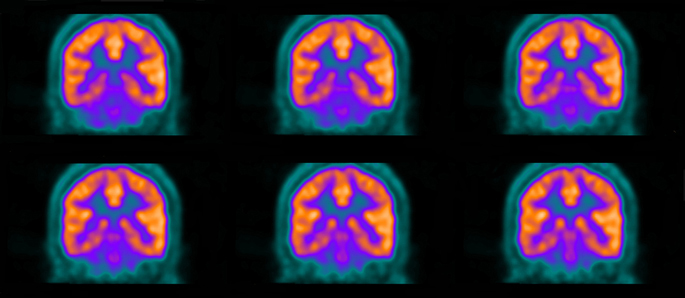
Alzheimer’s proteins in ICU survivors
The cognitive impairment that affects patients who survive a stay in the ICU does not appear to have a similar mechanism to Alzheimer’s disease, Vanderbilt researchers have discovered. Read MoreMar 27, 2018
-

Vitamin C deficiency and mitochondrial dysfunction in Alzheimer’s disease
Recent findings suggest that vitamin C deficiency could contribute to Alzheimer’s disease, suggesting that avoiding deficiency through diet and supplementation could protect against disease onset. Read MoreDec 1, 2017
-

Research links heart function to brain’s memory center
Research by a team of Vanderbilt University Medical Center (VUMC) scientists suggests that older people whose hearts pump less blood have blood flow reductions in the temporal lobe regions of the brain, where Alzheimer’s pathology first begins. Read MoreNov 8, 2017
-

Gender, pain and dementia
Understanding sex differences in pain perception could lead to more targeted and effective pain assessment and management strategies in older adults with Alzheimer’s disease. Read MoreOct 16, 2017
-

Pain and Alzheimer’s disease
Clinicians should use a structured interview in people with Alzheimer’s disease to identify pain that might be otherwise overlooked. Read MoreSep 5, 2017
-
Protein structure may aid in treating Alzheimer’s disease
A new protein structure may guide the development of Alzheimer's therapeutics. Read MoreApr 27, 2017