Health And Medicine
-
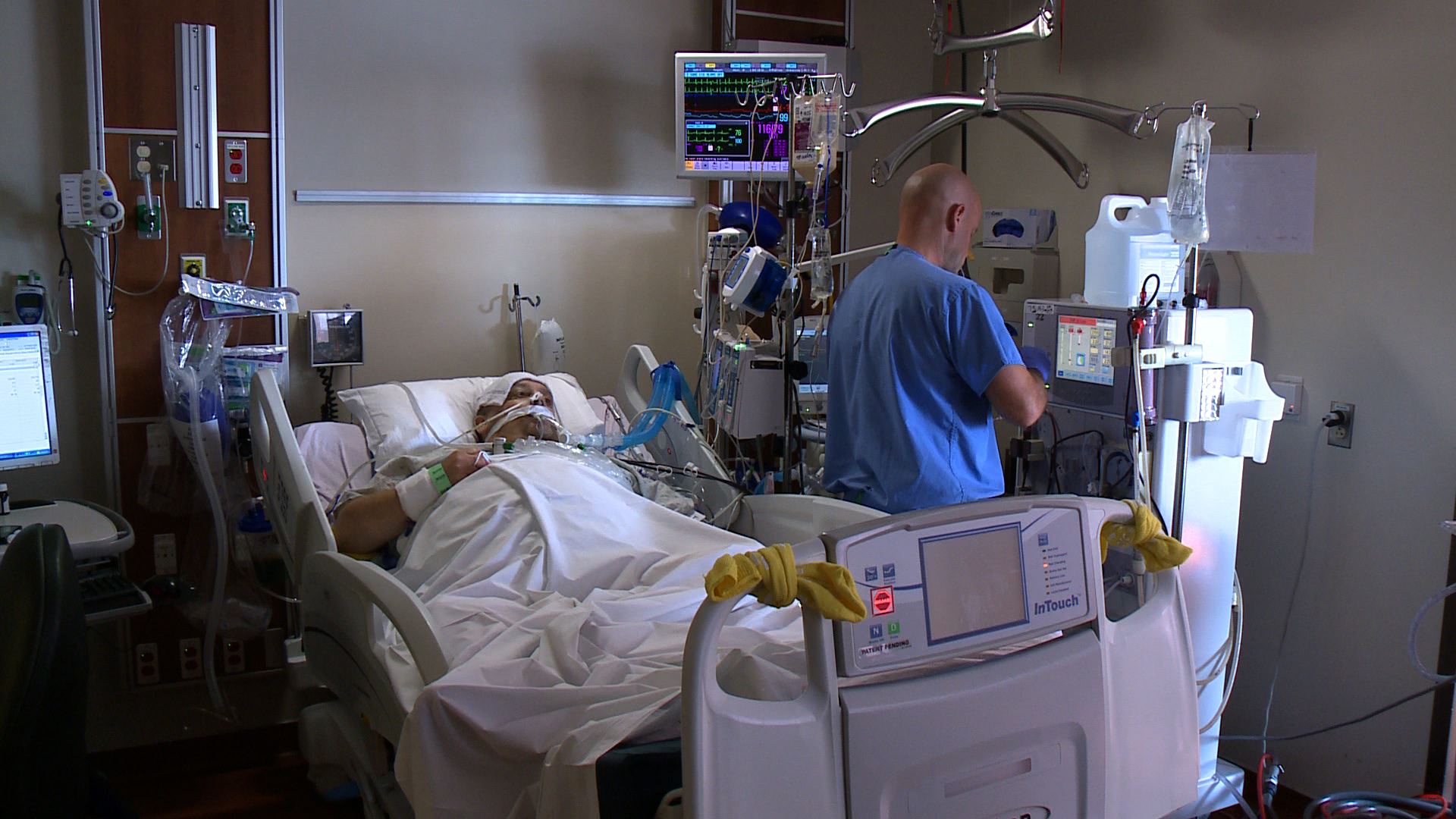
Long-term brain impairment too common after critical illness
A recent Vanderbilt study shows a significant number of patients are entering I.C.U.’s throughout the world with no evidence of cognitive — brain related issues, but are leaving with symptoms associated with mild Alzheimer’s or Traumatic Brain Injury. Barb Cramer has more. Read MoreOct 8, 2013
-
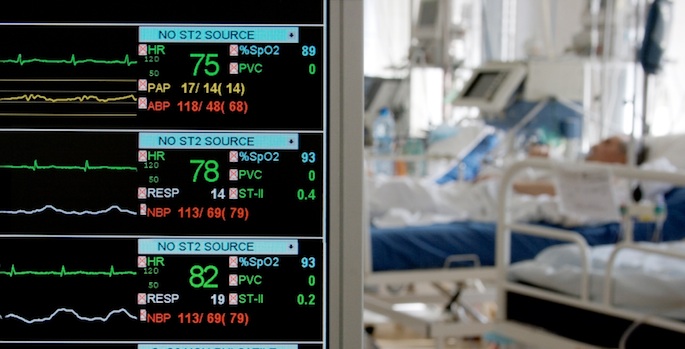
Study finds cognitive deficits common after critical illness
Patients treated in intensive care units across the globe enter their medical care with no evidence of cognitive impairment but often leave with deficits similar to those seen in patients with traumatic brain injury (TBI) or mild Alzheimer’s disease (AD) that persist for at least a year, according to a Vanderbilt University Medical Center study published today in the New England Journal of Medicine. Read MoreOct 3, 2013
-
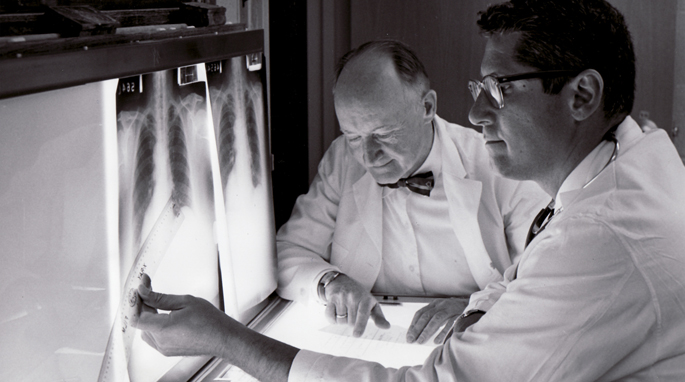
Framingham Heart Study’s landmark impact examined
While the Framingham Heart Study is often referenced throughout the halls of academia, few know its origin or can fully appreciate the contribution it has made to the understanding and prevention of cardiovascular disease. Read MoreOct 3, 2013
-
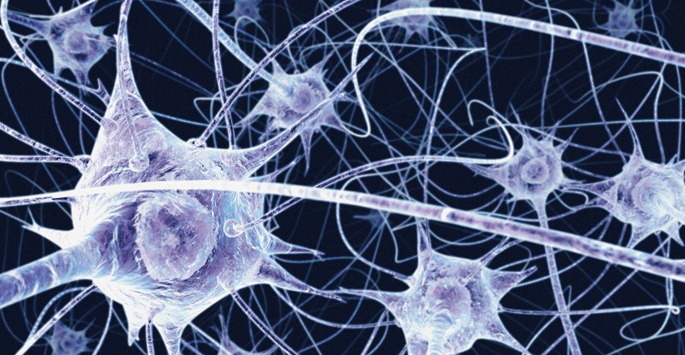
Early cell death in MS
Death of oligodendrocytes, the cells that make myelin, appears to be an early event in the development of multiple sclerosis. Read MoreOct 2, 2013
-
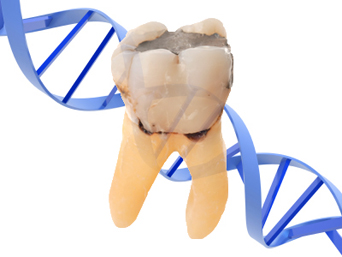
Gene interactions and cavities
Vanderbilt researchers used existing genome-wide association study datasets to identify gene interactions that contribute to tooth decay. Read MoreSep 30, 2013
-

Metabolic profiling of vision loss
A panel of metabolites – small molecules that are part of metabolic processes – that are unique to macular degeneration will shed light on the disease and aid diagnosis. Read MoreSep 27, 2013
-
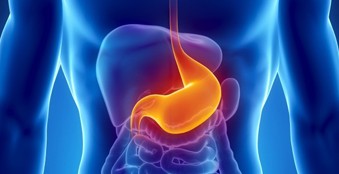
Cell changes en route to stomach cancer
Molecular characterization of pre-cancerous changes in cells lining the stomach could point to lesions with a greater risk of progression to cancer. Read MoreSep 26, 2013
-
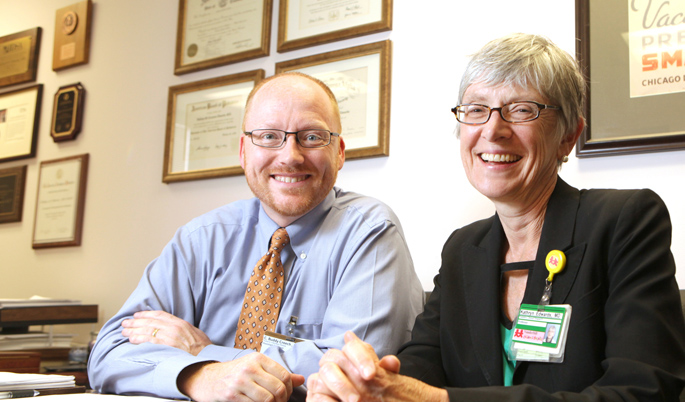
Vaccine Research Program lands major NIH renewal
The Vanderbilt Vaccine Research Program has received a major contract from the National Institutes of Health to continue its work as one of the nation’s Vaccine and Treatment Evaluation Units. Read MoreSep 26, 2013
-
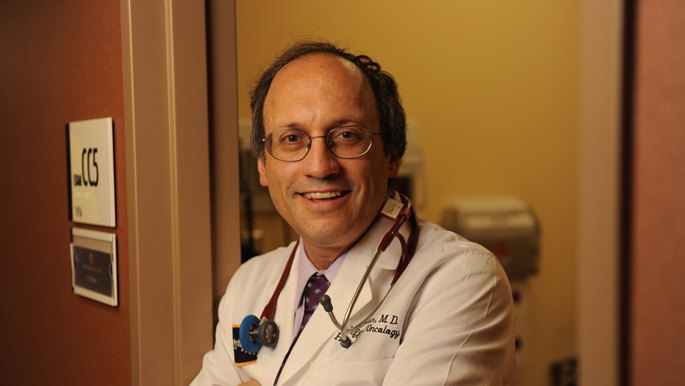
Sosman named one of ‘hottest’ researchers in U.S.
Jeffrey Sosman, M.D., professor of Medicine, Ingram Chair for Cancer Research and director of the Vanderbilt Melanoma Program, was named one of the Hottest Scientific Researchers of the last year by Thomas Reuters Science Watch. Read MoreSep 26, 2013
-

Age doesn’t impact concussion symptoms: study
Recent scientific findings have raised the fear that young athletes may fare worse after sustaining a sports-related concussion than older athletes. Read MoreSep 26, 2013
-

Group prenatal care led to improved birth outcomes
Women with access to group prenatal care had improved birth outcomes, including longer gestational periods and higher birth weight, in a study conducted by researchers at Vanderbilt’s Peabody Research Institute. Read MoreSep 19, 2013
-

VU testing vaccine against new flu threat
Vanderbilt’s Vaccine and Treatment Evaluation Unit (VTEU) is one of nine U.S. sites funded by the National Institute of Allergy and Infectious Disease (NIAID), part of the National Institutes of Health (NIH), to test the effectiveness of a vaccine to protect against the H7N9 bird flu that emerged in China this spring. Read MoreSep 19, 2013
-

VU study brings genome’s ‘dark matter’ into light
Using technology he helped develop, Vanderbilt University scientist Bryan Venters, Ph.D., has shed new light on the “dark matter” of the genome and has begun to explore a possible new approach to treating cancer. Read MoreSep 19, 2013
-

Fishing for new anti-cancer drugs
Vanderbilt investigators used an in vivo screen in zebrafish to identify a potential new anti-cancer drug. Read MoreSep 18, 2013
-

Mapping brain membrane proteins
New mass spectrometry imaging methods will enable studies of the distribution and identification of membrane proteins directly within tissues. Read MoreSep 16, 2013
-
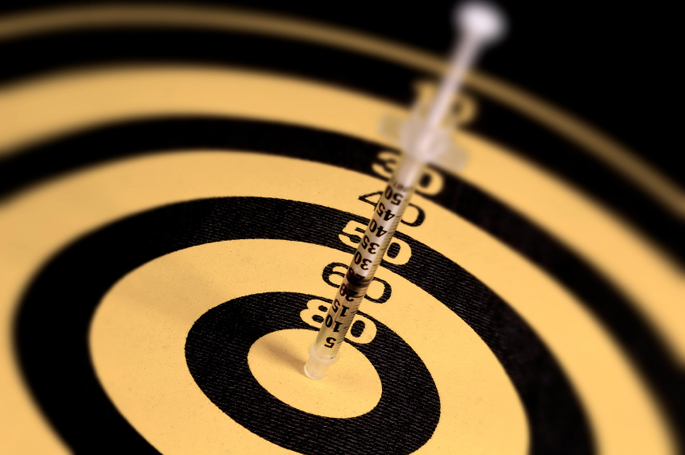
Cancer nanomedicines on target
Therapeutic nanoparticles may offer a powerful new way to image and treat cancer at the same time. Read MoreSep 13, 2013
-

VU study identifies DNA changes in drug-resistant cancer cells
Vanderbilt investigators have combined next-generation sequencing technologies and bioinformatics analyses to screen for genome-wide genetic mutations associated with drug resistance in a series of lung cancer cell lines. Read MoreSep 12, 2013
-
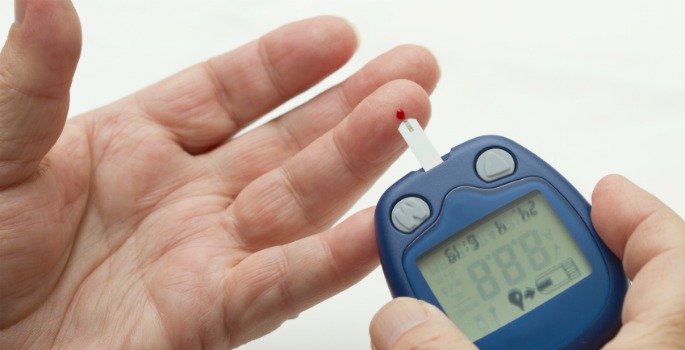
VU tracking drug’s ability to prevent type 1 diabetes
Vanderbilt’s Eskind Diabetes Clinic has been selected to examine the ability of the drug abatacept to prevent type 1 diabetes (T1D). As part of the TrialNet consortium, Vanderbilt will be one of 14 North American sites observing the effects of the drug in people at high risk to develop T1D. Read MoreSep 12, 2013
-

Two named to National Academies’ advisory board
Vanderbilt University’s Roger D. Cone, Ph.D., and Elizabeth Heitman, Ph.D., have been appointed to the National Academies’ Board on Life Sciences, which advises the government and scientific community on a wide range of topics, from stem cell research to bioterrorism. Read MoreSep 12, 2013
-

Sleep education helps families of children with autism
Parent sleep education is beneficial in improving sleep and aspects of daytime behavior and family functioning in children with autism spectrum disorders (ASD), according to a Vanderbilt study published in the Journal of Autism and Developmental Disorders. Read MoreSep 12, 2013