Health And Medicine
-

“Nur” target may aid arthritis treatment
Vanderbilt immunologists have discovered that the protein Nur77 is part of a control mechanism that guards against autoimmunity in natural killer T cells. Read MoreJul 13, 2020
-
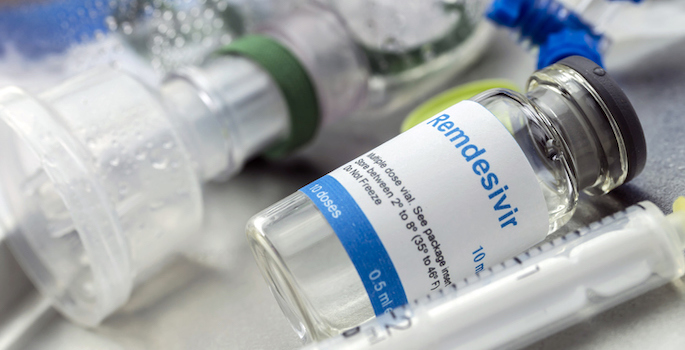
New study supports remdesivir as COVID-19 treatment
This week researchers at Vanderbilt University Medical Center (VUMC), the University of North Carolina at Chapel Hill and Gilead Sciences reported that remdesivir potently inhibited SARS-CoV-2, the virus which causes COVID-19, in human lung cell cultures and that it improved lung function in mice infected with the virus. Read MoreJul 9, 2020
-

Recurrent UTIs linked to hidden reservoir
Bacterial invasion of vaginal cells sets up a protective niche and a reservoir for recurrent urinary tract infections, Vanderbilt researchers demonstrated. Read MoreJul 9, 2020
-
New space bolsters infectious disease and immunology discovery
The Vanderbilt Institute for Infection, Immunology and Inflammation (VI4) recently moved into its new research and administrative home. Read MoreJul 9, 2020
-
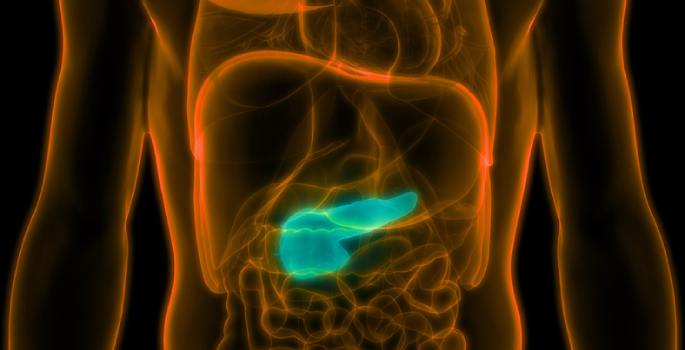
Keeping beta cells “fit”
Vanderbilt cell biologists are defining the factors that help beta cells in the pancreas stay healthy, secrete insulin and prevent diabetes initiation and progression. Read MoreJul 9, 2020
-

Kripalani to lead Center for Health Services Research
Sunil Kripalani, MD, MSc, professor of Medicine at Vanderbilt University Medical Center, has been appointed director of the Vanderbilt Center for Health Services Research. Read MoreJul 9, 2020
-
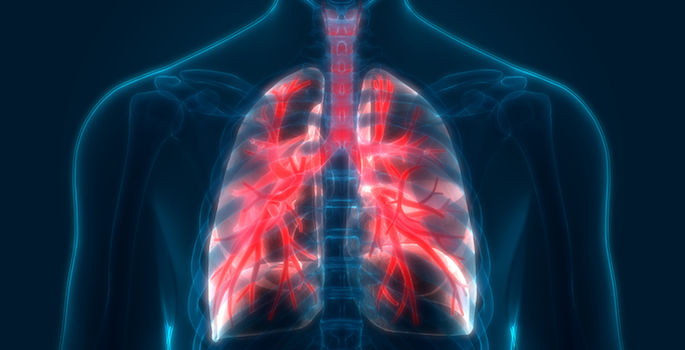
New clues to lung-scarring disease may aid treatment
Scientists at Vanderbilt University Medical Center and the Translational Genomics Research Institute (TGen) in Phoenix, Arizona, have discovered previously unreported genetic and cellular changes that occur in the lungs of people with pulmonary fibrosis (PF). Read MoreJul 8, 2020
-
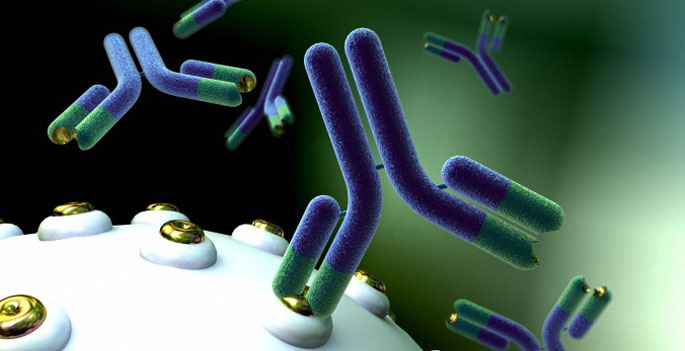
Research team isolates antibodies that may prevent rare polio-like illness in children linked to a respiratory infection
Researchers at Vanderbilt University Medical Center, Purdue University and the University of Wisconsin-Madison have isolated human monoclonal antibodies that potentially can prevent a rare but devastating polio-like illness in children linked to a respiratory viral infection. Read MoreJul 3, 2020
-
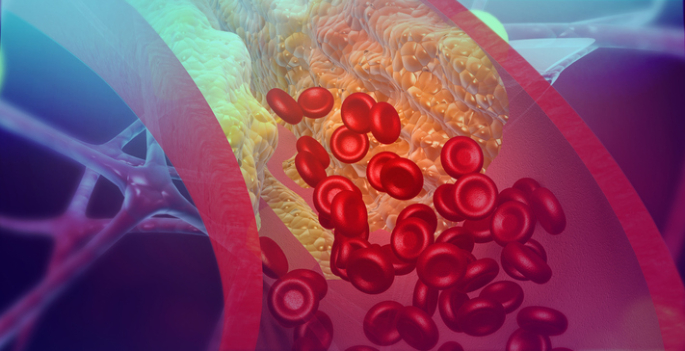
VUMC-led network to focus on polygenic risk for common diseases
With the aid of a $75 million, five-year grant renewal, the Electronic Medical Records and Genomics Network (eMERGE) will venture beyond its current focus on monogenic disease to scoring research participants relative risk for complex heritable diseases such as cardiovascular disease, chronic kidney disease and type 2 diabetes. Read MoreJul 1, 2020
-
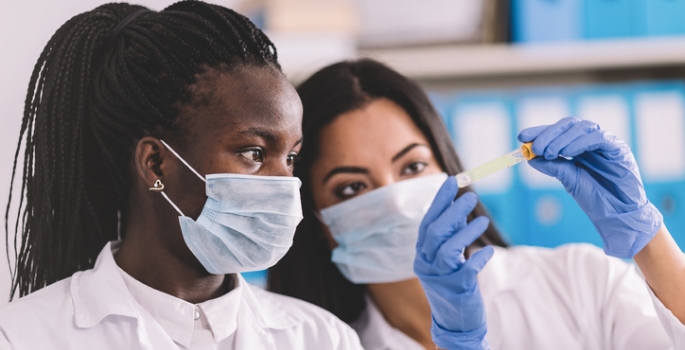
VICTR named to key role to streamline COVID-19 research response
The Vanderbilt Institute for Clinical and Translational Research (VICTR), which provides comprehensive support for clinical and translational research at Vanderbilt University Medical Center (VUMC), has been named Administrative Coordinating Center (ACC) of a national effort to streamline the research response to life-threatening lung and heart problems caused by COVID-19. Read MoreJun 24, 2020
-
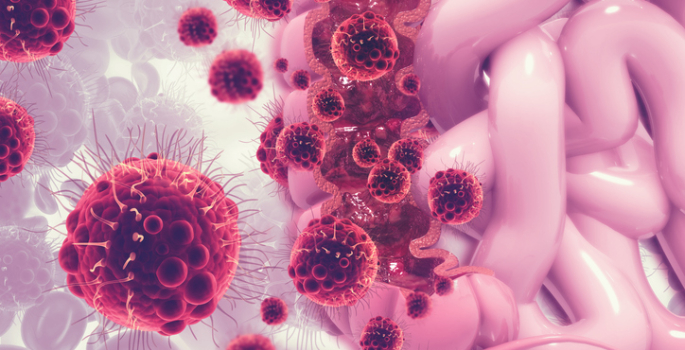
Study shows better option for treatment of inoperable anal cancer
People with inoperable anal cancer treated with carboplatin-paclitaxel had fewer complications and lived longer than those who received another chemotherapy that has been more often administered. Read MoreJun 24, 2020
-
Study finds zinc doesn’t reduce mortality, other health risks, for heavy alcohol users living with HIV/AIDS
Zinc supplementation did not reduce mortality, cardiovascular risk, levels of inflammation or microbial translocation among people with heavy alcohol use living with HIV/AIDS, according to a Vanderbilt-led study. Read MoreJun 24, 2020
-
Glaucoma drug studied to prevent lung Infection in COVID-19 patients
Vanderbilt University Medical Center is evaluating razuprotafib, a drug used to treat glaucoma, in a new randomized, investigational trial for the prevention and treatment of acute respiratory distress syndrome (ARDS) in adult patients with moderate to severe COVID-19. Read MoreJun 24, 2020
-

A connection to schizophrenia
The insula, a small region of the brain involved in diverse brain functions had widespread dysconnectivity in schizophrenia, Vanderbilt researchers found. Read MoreJun 23, 2020
-

Single mutation causes seizure disorder
A single mutation in one gene can impair inhibitory signaling in the brain and cause multiple types of seizures and behavioral abnormalities. Read MoreJun 22, 2020
-
Major U.S. trial closes showing no benefit for hydroxychloroquine in COVID-19
The Outcomes Related to COVID-19 Treated with Hydroxychloroquine among In-patients with Symptomatic Disease (ORCHID) trial stopped enrolling new patients based on the fourth scheduled interim analysis showing no evidence of benefit or harm. Read MoreJun 21, 2020
-

Probing DNA damage repair
After discovering a new mechanism for DNA damage repair last year, Vanderbilt biochemists now provide direct evidence for how it works. Read MoreJun 18, 2020
-
Studying cells in reduced dimensions
Vanderbilt cell biologists have developed an unbiased, quantitative framework for evaluating single-cell data. Read MoreJun 18, 2020
-

All of Us program launches cloud-based research platform
On May 27, the All of Us Research Program launched the beta version of its cloud-based research platform, the Researcher Workbench. Read MoreJun 18, 2020
-

Robotic technology speeds arrhythmia gene classification
Vanderbilt University Medical Center investigators have used high-throughput robotic technology to rapidly study and classify variations in a gene linked to heart rhythm disorders and cardiac conditions. Read MoreJun 12, 2020