Health And Medicine
-

Vanderbilt engineer receives NSF award to develop neural analysis methodology
Mikail Rubinov has been awarded $600,000 from the National Science Foundation to develop new computational methods for analysis of large-scale brain activity data. Read MoreJan 23, 2023
-

Study reveals new genetic disorder that causes susceptibility to opportunistic infections
An international consortium co-led by Vanderbilt's Rubén Martínez-Barricarte has discovered a new genetic disorder that causes immunodeficiency and profound susceptibility to opportunistic infections including a life-threatening fungal pneumonia. Read MoreJan 20, 2023
-
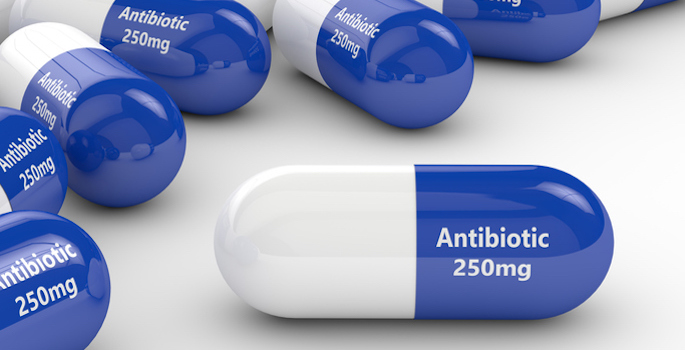
Vanderbilt biochemists join international researchers in discovery of the first new antibiotic for urinary tract infections in more than 20 years
Neil Osheroff and his lab provide foundational research for new Urinary Tract Infection antibiotic. UTIs affect half of all women. Read MoreJan 18, 2023
-

School of Nursing receives HRSA grant to train community health workers
Vanderbilt School of Nursing has received a $3 million Health Resources and Services Administration grant from the Department of Health and Human Services to create a training program, standardized set of competencies and certification for community health workers in Tennessee. Read MoreJan 17, 2023
-

New screening method could pave the way for future cancer drug discoveries
The laboratories of Brian Bachmann and Jonathan Irish have developed a method to discover new small molecules that may kill cancer cells by working through the body’s immune system. Read MoreJan 17, 2023
-

Lars Plate wins Scialog Award from the Research Corporation for Science Advancement and USDA
For his work on zoonotic threat mitigation, Lars Plate was awarded $50,000 from the Research Corporation for Science Advancement and the U.S. Department of Agriculture. Read MoreJan 17, 2023
-

Company co-founded by VU professor receives distinguished FDA breakthrough device designation for minimally invasive surgical tool
A company co-founded by Vanderbilt mechanical engineering professor Robert J. Webster III has received a breakthrough device designation from the U.S. Food and Drug Administration that could open the door for new diagnostic and therapeutic applications of flexible endoscopy. Read MoreJan 10, 2023
-
Nashville Biosciences and Illumina announce sequencing agreement with Amgen
Nashville Biosciences LLC and Illumina Inc. today announced an agreement with Amgen to whole-genome sequence approximately 35,000 DNA samples. Read MoreJan 10, 2023
-
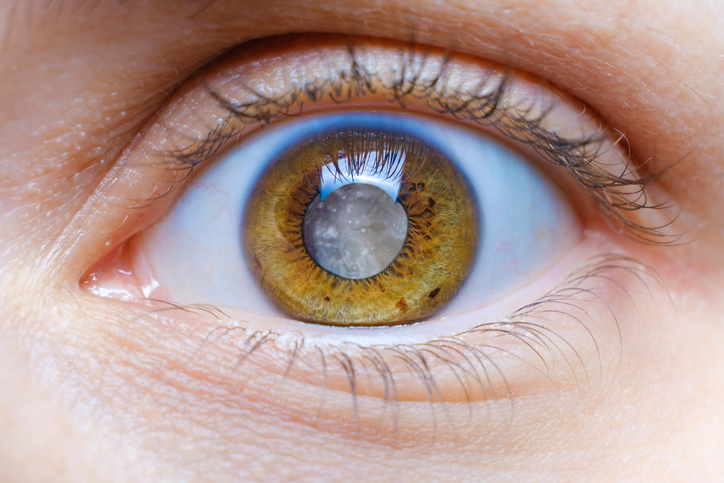
Measurements of age-related changes in eye lens proteins yield insights into cataract formation
By determining how proteins in different areas of the eye’s lens change over time, Vanderbilt researchers have learned more about how they could contribute to the mysterious progression of cataracts—a clouding of the lens that affects more than 65 million people worldwide each year. Read MoreJan 5, 2023
-
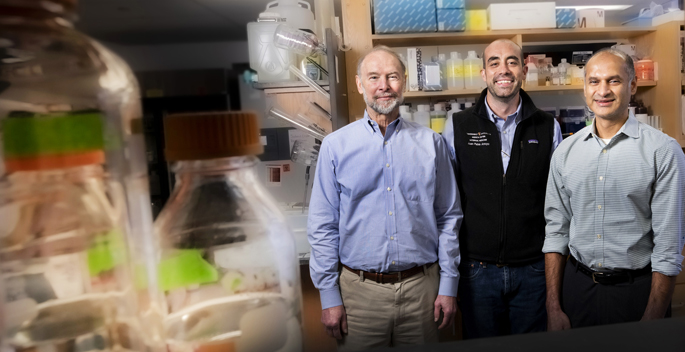
VUMC researchers upend dogma about vasopressin production
Vanderbilt investigators have discovered that vasopressin, which has long been thought to be produced only in the brain, is also produced in the kidney. Read MoreJan 5, 2023
-

Three Vanderbilt chemists to research therapeutics, fuel conversion, and enzyme design with NIH MIRA grants
College of Arts and Science faculty members Nathan Schley, Allison Walker, and John Yang have each been awarded grants from the National Institutes of Health to continue their groundbreaking chemistry research. The faculty members are conducting big-picture research with practical applications in a variety of health contexts—including drug synthesis, biomolecular conversion, and disease treatment. Read MoreJan 5, 2023
-

Research Snapshot: Researchers demonstrate that dopamine is involved in novelty-based learning
Vanderbilt researchers in the lab of Erin Calipari, assistant professor of pharmacology and molecular physiology and biophysics, have demonstrated a role for dopamine signaling in novelty-based learning—a finding that could have major impacts on how neurological diseases are treated. Read MoreDec 16, 2022
-
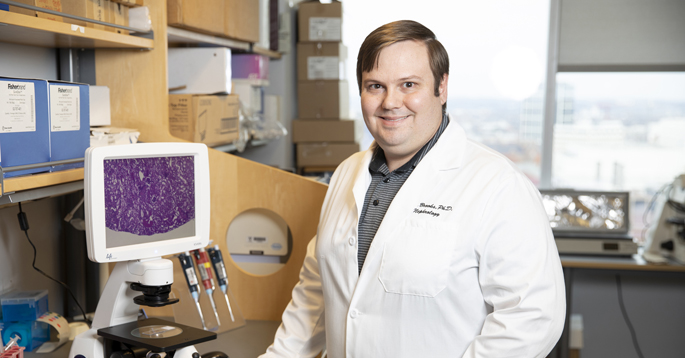
Novel therapeutic target identified for chronic kidney disease
Vanderbilt investigators have discovered a molecular mechanism that promotes chronic kidney disease following kidney injury. Read MoreDec 15, 2022
-
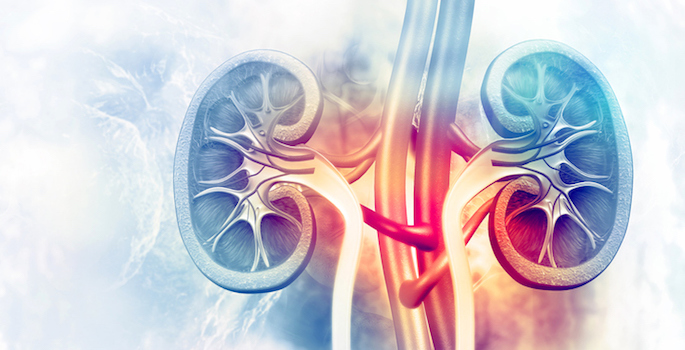
Reduced kidney function may cause cardiovascular disease: study
An international team of investigators has found that mild to moderate reduction in kidney function may cause cardiovascular disease, even in people without symptoms of heart disease or diabetes. Read MoreDec 15, 2022
-
Study links excess oxygen during anesthesia to risk of organ injury
A Vanderbilt study found that higher levels of excess oxygen given to patients under general anesthesia add risk of injury to the kidneys, lungs and heart. Read MoreNov 30, 2022
-
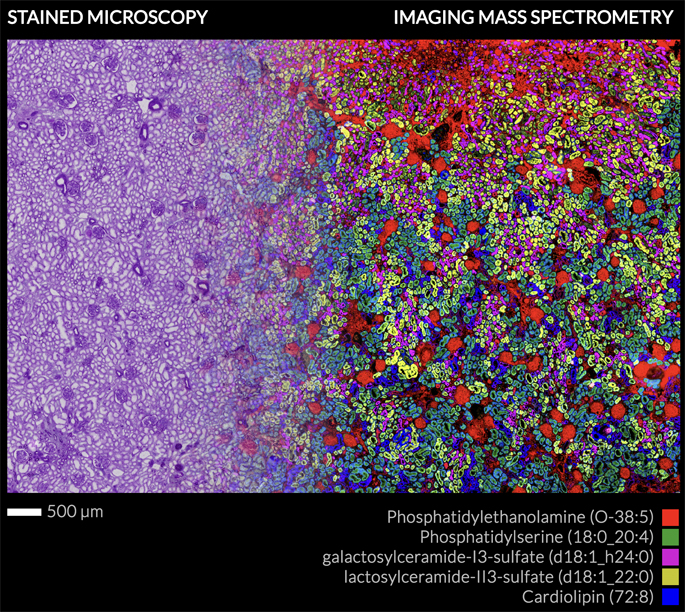
Spraggins, Caprioli win $13.6M from NIH to create “atlases” of the brain, kidney and eye
Researchers in the Vanderbilt University School of Medicine have received three grants totaling $13.6 million from the National Institutes of Health to develop molecular “atlases” of the brain, kidney, eye and other tissues. Read MoreNov 18, 2022
-
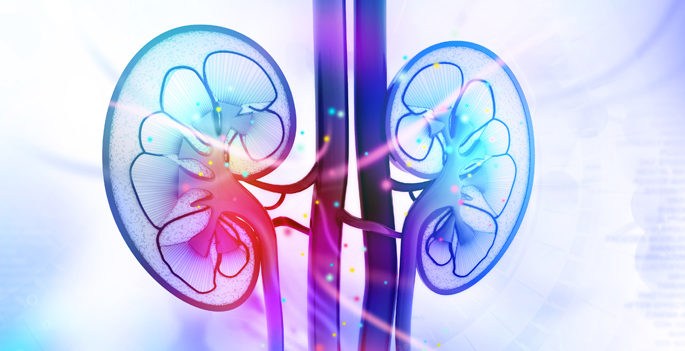
Study supports removing race from estimate of kidney function
An in-depth analysis by Vanderbilt investigators of published research studies supports removing race from the calculation of estimated glomerular filtration rate (eGFR) — an assessment of kidney function. Read MoreNov 17, 2022
-
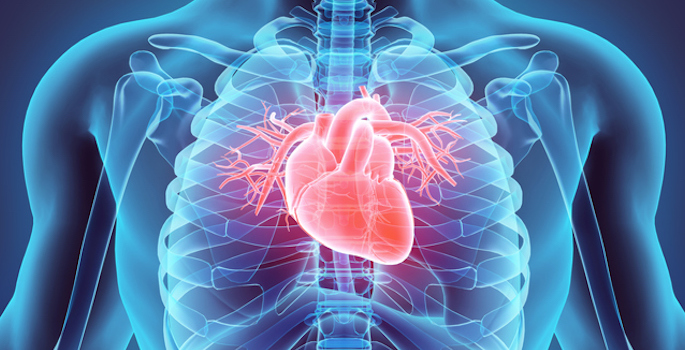
Cardiac antigen identified as mechanism for heart complication with immunotherapy-related myocarditis
Researchers from from Vanderbilt-Ingram Cancer Center have identified the mechanism for the deadly heart inflammation myocarditis. Read MoreNov 16, 2022
-
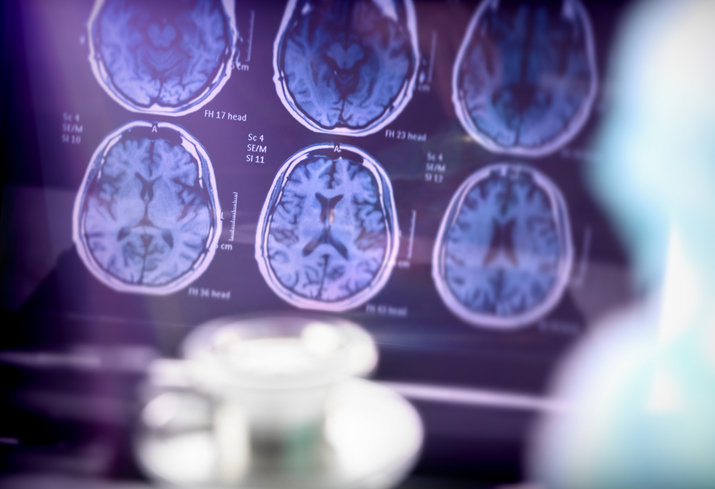
Vanderbilt, international collaborators discover treatment to slow neurodegenerative diseases
Warren Center for Neuroscience Drug Discovery lead researchers discover a therapy that may treat memory loss and slow the progression of Alzheimer’s disease. Read MoreNov 15, 2022
-
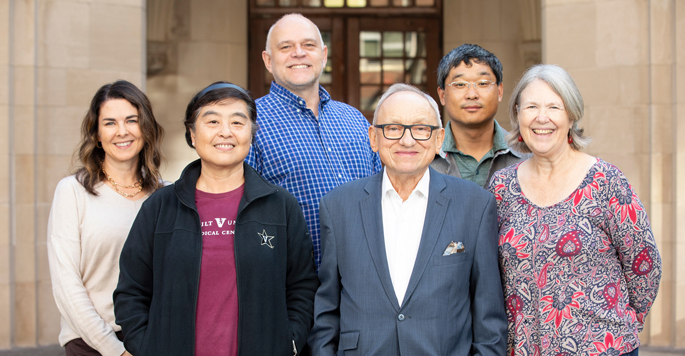
Hawiger still blazing a trail in inflammation research
Vanderbilt research describes a new investigational peptide drug that can penetrate immune and nonimmune cells, and block inflammatory signaling in a preclinical model of atopic dermatitis — eczema. Read MoreNov 10, 2022