Health And Medicine
-
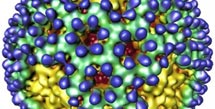
Cells open doors for reovirus
The cellular factor Src helps reoviruses enter cells. Read MoreMay 13, 2011
-

Protein problem after gastric bypass
Protein supplements often recommended after gastric bypass surgery may actually have undesirable metabolic effects, suggests a recent study led by Ronald Clements in the Vanderbilt Center for Surgical Weight Loss. Read MoreMay 13, 2011
-

Lecturers explore impact of genomics on race perceptions
The question of whether new discoveries about the human genome will cause racism to fizzle or flare was the topic of the two recent discussions at Vanderbilt. Read MoreMay 13, 2011
-

Early treatment reduces risk of passing HIV to partner by 96 percent
HIV-positive men and women can dramatically reduce the risk of transmitting the virus to their sexual partners by beginning antiretroviral therapy early, new research finds. Read MoreMay 13, 2011
-
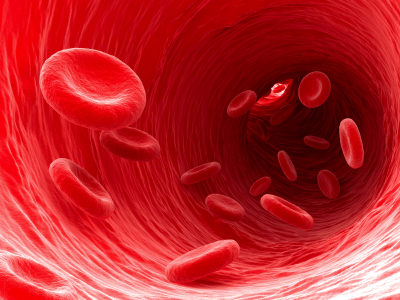
Stents relieve post-infection problem
Placing stents in blood vessels can provide long-term relief from rare complications of a fungal lung infection. Read MoreMay 5, 2011
-
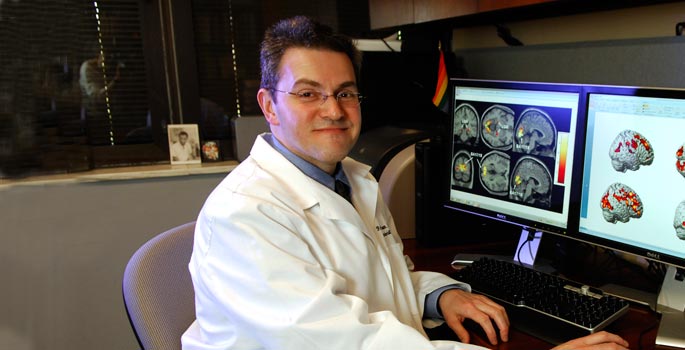
Ecstasy associated with chronic change in brain function
Recreational Ecstasy use is associated with a chronic change in brain function, raising concerns about proposals to use it to treat post-traumatic stress and other disorders. Read MoreMay 5, 2011
-

Vanderbilt partners with Chinese government to reduce HIV in gay men
Vanderbilt University researchers are partnering with the Chinese government to test methods for reducing the spread of the AIDS virus among gay men. Read MoreMay 4, 2011
-
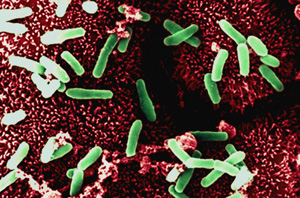
Host cell factors keep toxin at bay
Researchers have identified genes that may influence sensitivity of human cells to a bacterial toxin. Read MoreMay 3, 2011
-
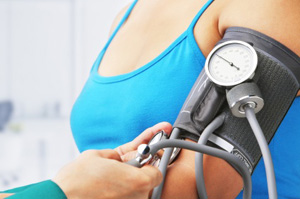
Gene variant impacts exercise blood pressure
Subtle genetic changes can have big effects on blood pressure while exercising. Read MoreApr 28, 2011
-

Fishing for a new model of tuberous sclerosis complex
A zebrafish model of the genetic disease tuberous sclerosis complex will speed new discoveries. Read MoreApr 27, 2011
-
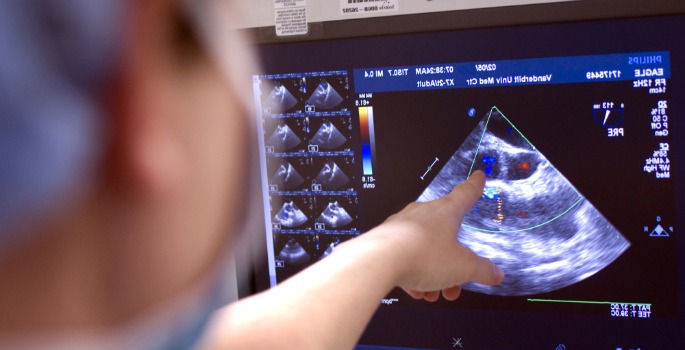
New ‘stethoscope’ to monitor critically ill patients
Vanderbilt cardiothoracic anesthesiologists and surgeons are pioneering the use of a tool that many in the cardiac field are calling the “new stethoscope” when it comes to monitoring critically ill patients. Read MoreApr 22, 2011
-
Evolution points to genes involved in birth timing
Researchers have identified a gene associated with accelerated evolution in humans that may increase some women's risk to deliver their baby prematurely. Read MoreApr 19, 2011
-
Potassium channel gene modifies epilepsy risk
The discovery of a new gene that can influence a person's risk for developing epilepsy could improve diagnostic tools and open the door for new therapies. Read MoreApr 18, 2011
-
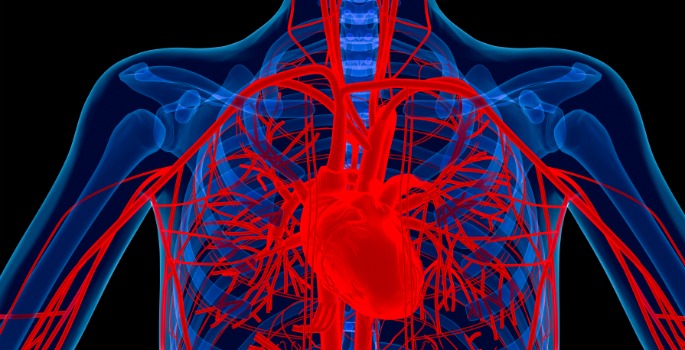
Vanderbilt Heart to participate in CoreValve clinical trial
Vanderbilt Heart will soon begin testing the safety of a novel, non-surgical approach to treating aortic stenosis, a common heart problem caused by an abnormal narrowing of the heart's aortic valve. Read MoreApr 18, 2011
-

Dialing down the mercury
Antioxidant compounds may counteract the neurotoxic effects of methylmercury, new research suggests. Read MoreApr 14, 2011
-

Mouse study offers clues for childhood obesity
An obesity-associated genetic variation makes fatty food more rewarding yet less satisfying, new research in mice suggests. Read MoreApr 13, 2011
-
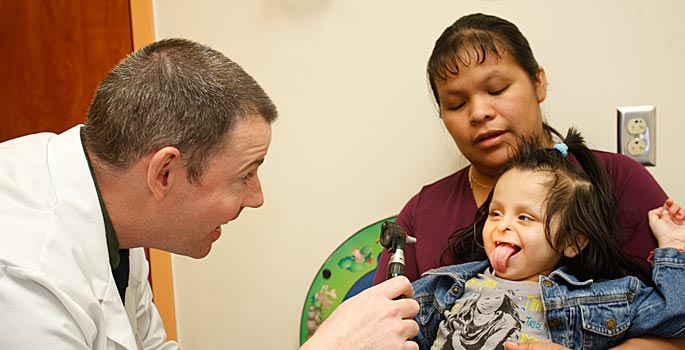
Vaccines do not harm children with metabolism disorders
A new study finds no link between childhood vaccinations and a type of metabolism disorder. The study is the latest to provide evidence of vaccination safety. Read MoreApr 12, 2011
-
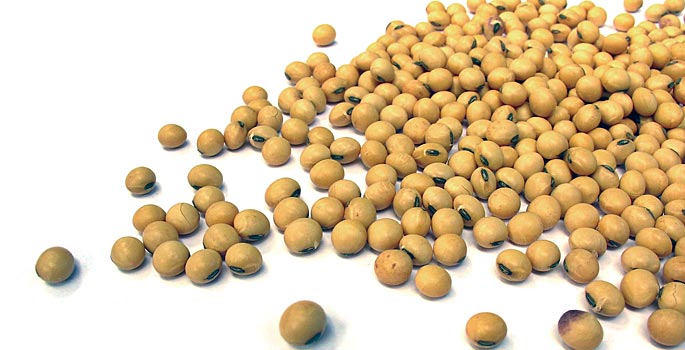
Soy foods not a risk for breast cancer survivors
(stock.xchng) After years of confusion about the safety of soy food consumption by breast cancer survivors, a large new study found that eating soy foods did not increase the risk of cancer recurrence or death among breast cancer survivors. The study was presented at the American Association for Cancer… Read MoreApr 12, 2011
-

Four new Alzheimer’s genes uncovered
Jonathan Haines, director, Vanderbilt Center for Human Genetics Research (Vanderbilt) Vanderbilt researchers, who helped organize a consortium including the University of Pennsylvania School of Medicine, the University of Miami Miller School of Medicine, and the Boston University School of Medicine, have identified four new genes linked to… Read MoreApr 4, 2011
-

Gene ups risk for needing pacemaker
Researchers have identified a gene that increases the risk for developing sick sinus syndrome – the most common cause for implanting a cardiac pacemaker. Read MoreApr 1, 2011