By Jennifer Kiilerich
Studies show that autism is now diagnosed more often among Latino children than their white counterparts. Yet few Spanish-speaking, autistic toddlers receive linguistically appropriate communication and language interventions. In general, the Latino population is more likely to miss out on crucial early-childhood therapies due to language, structural or cultural barriers.

With a new $3.9 million, five-year grant from the National Institutes of Health, Tatiana Peredo, research assistant professor of special education at Vanderbilt Peabody College of education and human development, will develop a communication and language intervention specifically for Spanish-speaking, Latino families with toddlers. The study, Early caregiver-mediated communication intervention for Latino and Spanish-speaking young children with autism, is a holistic approach that will be delivered entirely in Spanish and will incorporate close collaboration with—and cultural considerations of—the community it serves.
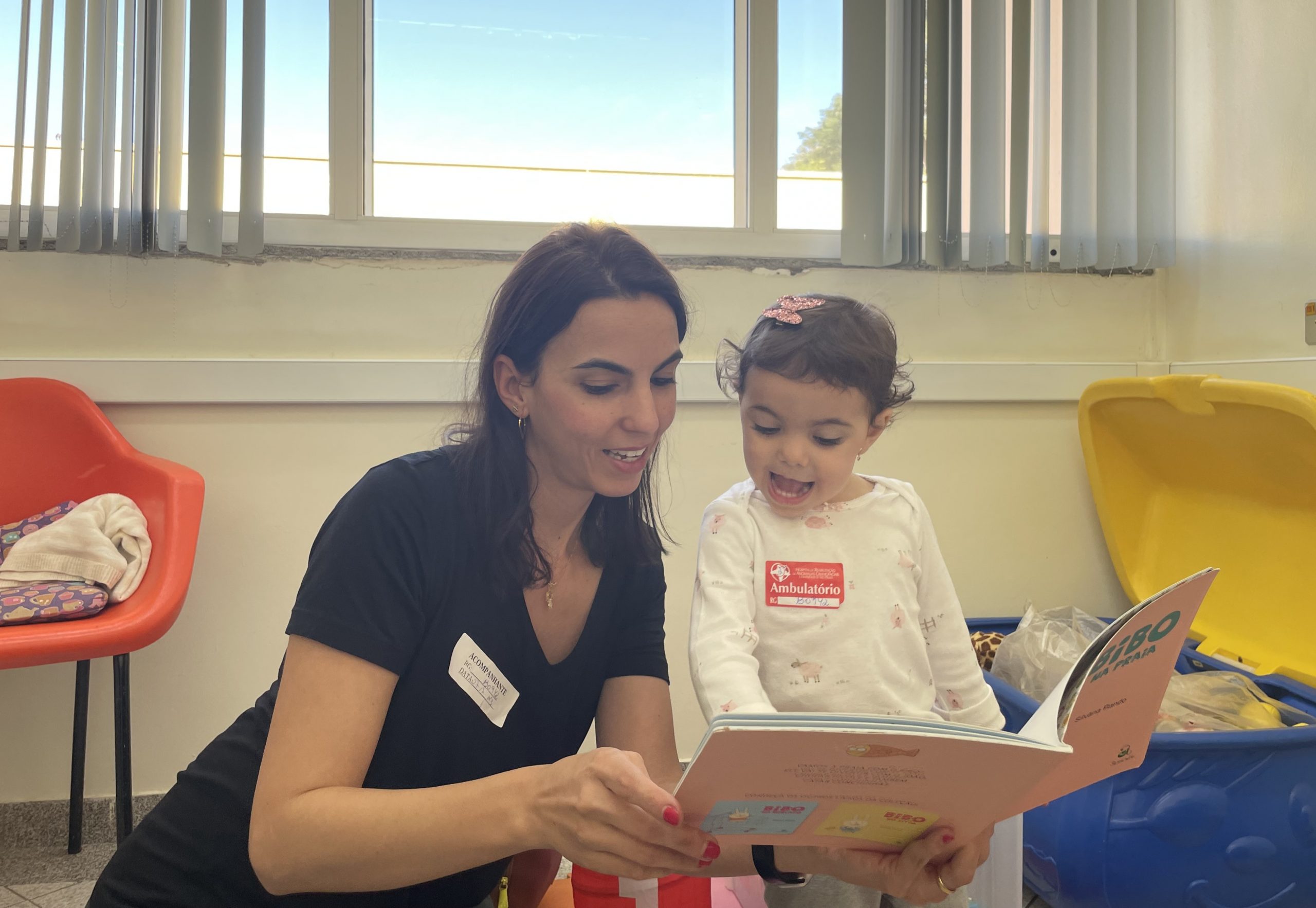
Caretakers will receive in-home coaching to improve their grasp of communication and language support tools, while toddlers will receive in-home speech-language therapy sessions.
“A big part of this work is to teach other people to view families’ diverse cultural and linguistic backgrounds as strengths they are bringing into the intervention,” explained Peredo, “and not as problems that need to be solved.”
The study is unique, she added, because it centers the intervention on communication and language while faithfully following Spanish linguistic learning patterns. The aim is to strengthen these areas among children receiving the intervention while building more robust parental involvement.
Support during early childhood is critical
A group of proven approaches for boosting communication in children with autism are naturalistic developmental behavioral interventions, or NDBIs. NDBIs help children learn through play and social activities in their everyday lives. When offered at an early age, the positive effects can be long-lasting.
However, Spanish-language options are limited and are currently only offered as translations from existing models. In addition, many Latino toddlers may not enter school before kindergarten. Peredo’s research has found that as a result, Latino families are either not getting services in the early intervention system, or they feel the services they receive are not high quality.
And in the U.S., many children lose their home language, Peredo noted. “That is really doing a disservice to the child and the family,” she said, “because the child is losing the benefits of potential bilingualism, and they’re losing cultural and family connections.”
Peredo realized she needed to meet these families where they were and when it mattered most: during the early stages of language development and rapid brain growth from birth to age five.
Researchers will work with Nashville-area children aged 2 ½ to 4, when they qualify for early intervention in Tennessee, using an NDBI-driven model designed in Spanish. Natalie Pak, PhD’23, is the project’s senior research associate and a speech-language pathologist who led the initial pilot studies. She brings additional expertise in educating families about assistive communication technology, which includes tools that help children communicate by converting text or pictures into speech.
“Providing access to augmentative and alternative communication strategies at a young age,” Pak said, “can be incredibly important for some children on the autism spectrum to communicate and develop skills in all of their languages.”
“Families… will be able to better advocate for what their child needs within the school system.”
Peredo is also excited for what she believes the study can accomplish: “We can support families in that home context early on and set them up on a better trajectory,” she shared. “When the children enter school, they will have some of these communication skills—and the family will have more skills—and they will be able to better advocate for what their child needs within the school system.”
Breaking down barriers to care
Stigmas around disabilities can sometimes deter families from seeking support. The study aims to improve buy-in and awareness by dedicating significant time to focus groups of families and practitioners before launching the clinical trial.
Researchers anticipate that after parent coaching and direct interventions, caregivers will more frequently use language support strategies with their children, and that Spanish-speaking toddlers with autism will improve their social communication, expressive language and vocabularies.
“If this is effective,” Peredo said, “then we will try to disseminate it across programs so that these families can receive collaborative, high-quality early intervention services in their home language, while also teaching their child their language.”