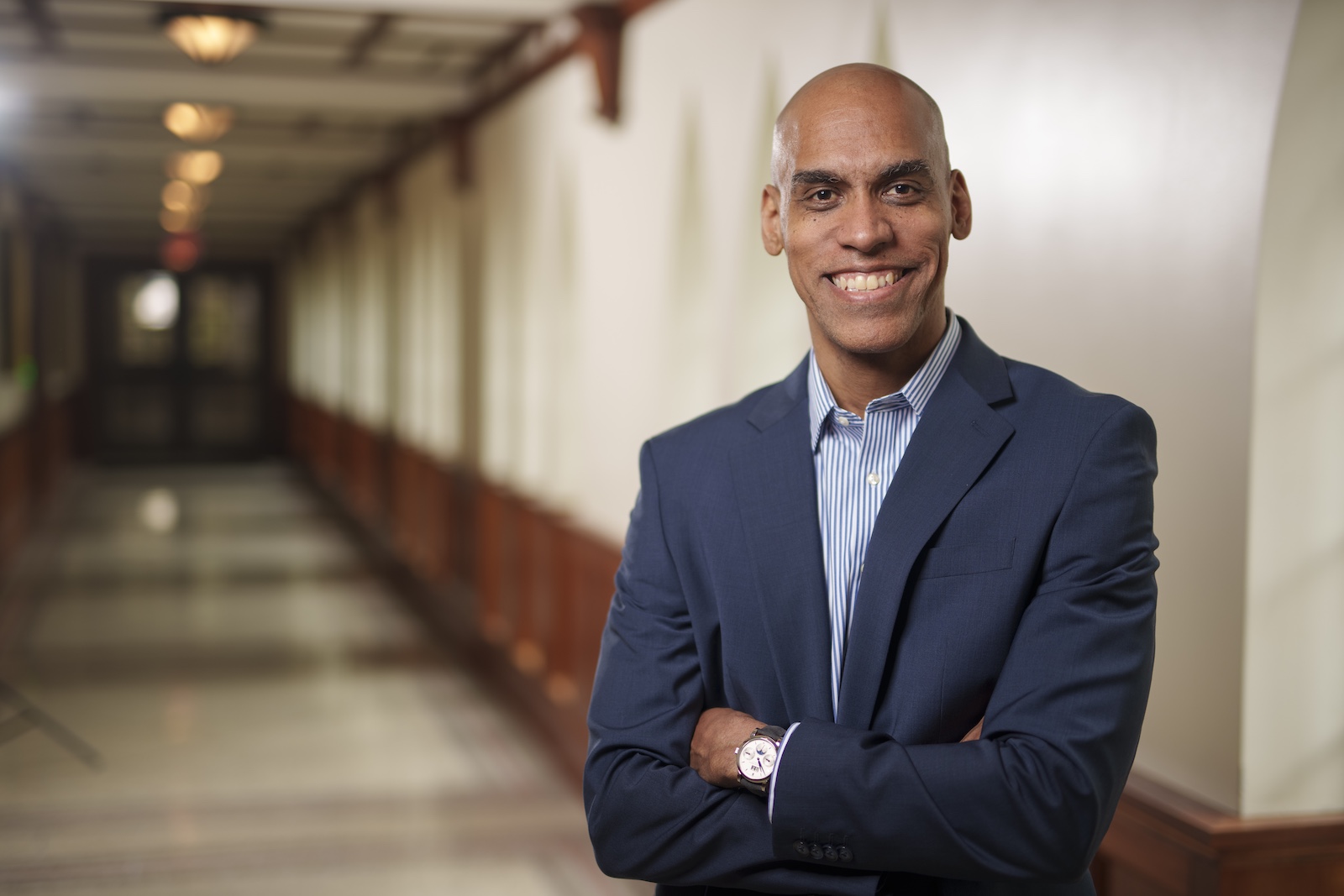
As far back as he can remember, Andy Schwartz has been fascinated by two things—how the brain works and how humans process natural language.
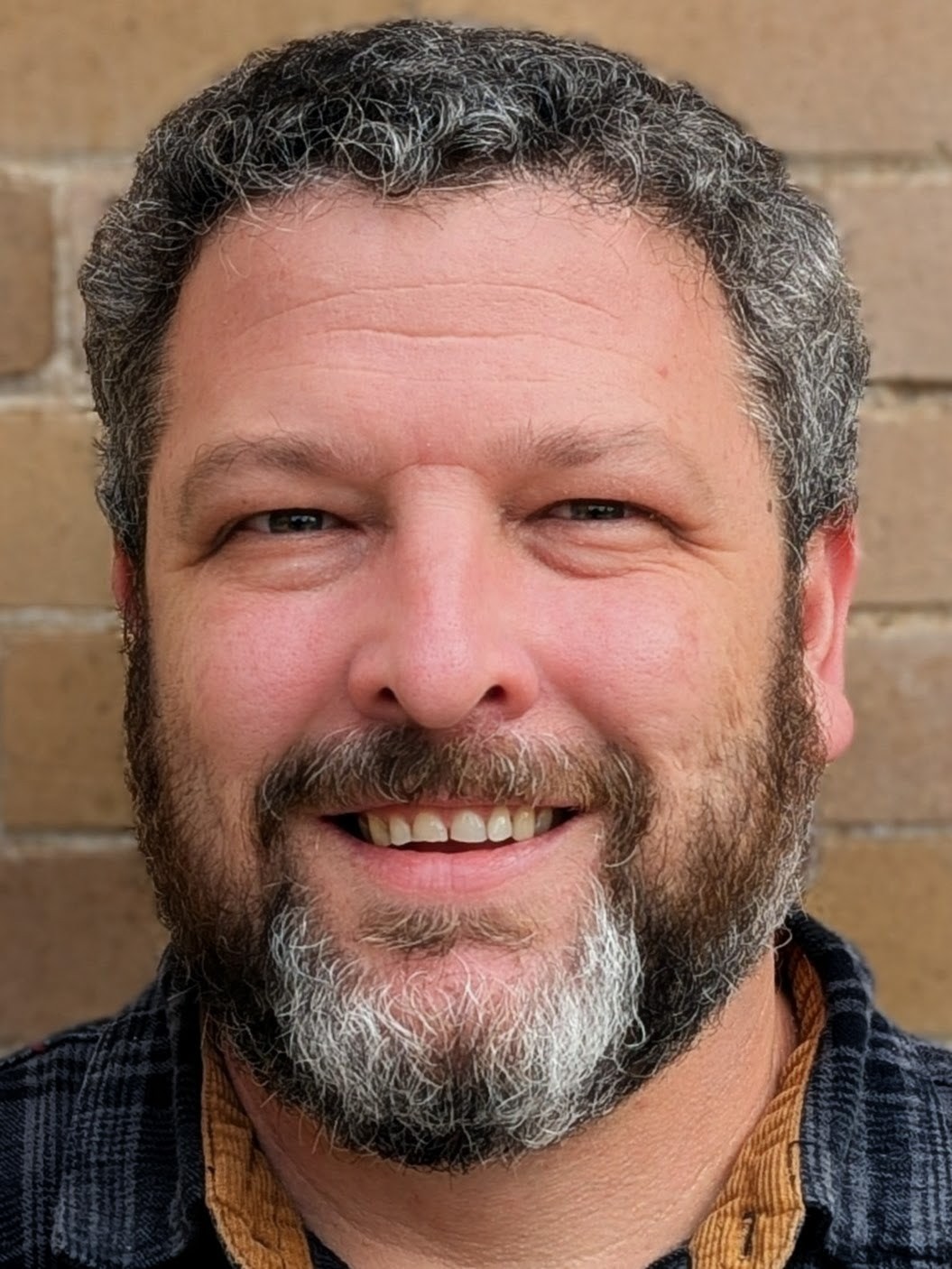
“I had always been interested in the mind and language, stemming from my own struggles with reading, dyslexia and speech therapy as a kid. I always wondered how [language] seemed to come so easy to people,” Schwartz said.
Today, as director of HLAB—the Human Language Analysis Beings lab—and research associate professor in the Vanderbilt College of Connected Computing, he explores the intersection of AI, language and mental health.
DECODING MENTAL HEALTH
Schwartz studies how clinicians might benefit from utilizing large language models—a kind of artificial intelligence that learns patterns in language and uses them to generate responses, identify trends and make predictions—to analyze patients’ responses during interviews and intake assessments, paving the way for more nuanced understandings of mental health conditions.
“Language is a signal of human behavior. If you talk to a clinician, someone who treats people for depression, anxiety or other mental health conditions, they will say one of the best tools that they have is not any test—it’s talking to the person,” Schwartz said.
“I wouldn’t condone letting an LLM loose on somebody to help treat them with their mental health, but the technology behind LLMs is allowing us to get a deeper way of quantifying people’s mental health and well-being than we could get from previous techniques.”
With the help of LLM technology, clinicians can swap traditional tests with questions patients can answer in natural language. The outcome? The challenges clinicians have faced in understanding mental health conditions with traditional assessments are significantly reduced.
EXPLORING INTERDISCIPLINARY COLLABORATION
Before joining Vanderbilt as an inaugural faculty member of the College of Connected Computing, Schwartz and HLAB were affiliated with the computer science and psychology departments at Stony Brook University. At Vanderbilt, Schwartz is building one of the world’s first academic programs in computational psychology and, starting this spring, will teach a graduate class on Human Natural Language Processing. He’s also eager to collaborate with colleagues across Vanderbilt’s psychology departments and other disciplines as the program takes shape.
“It’s really exciting,” Schwartz said. “And I think we’re going to grow a lot over the next year. The College of Connected Computing is all about interdisciplinary studies, how computer science touches several fields, and how we do that in a meaningful way with input from people in those fields. Interdisciplinary work is exciting to me because it means I’m going to learn something new.”
In the same vein, Schwartz is looking forward to showing students how integrating social sciences with computer science can bring a more humanistic element to artificial intelligence.
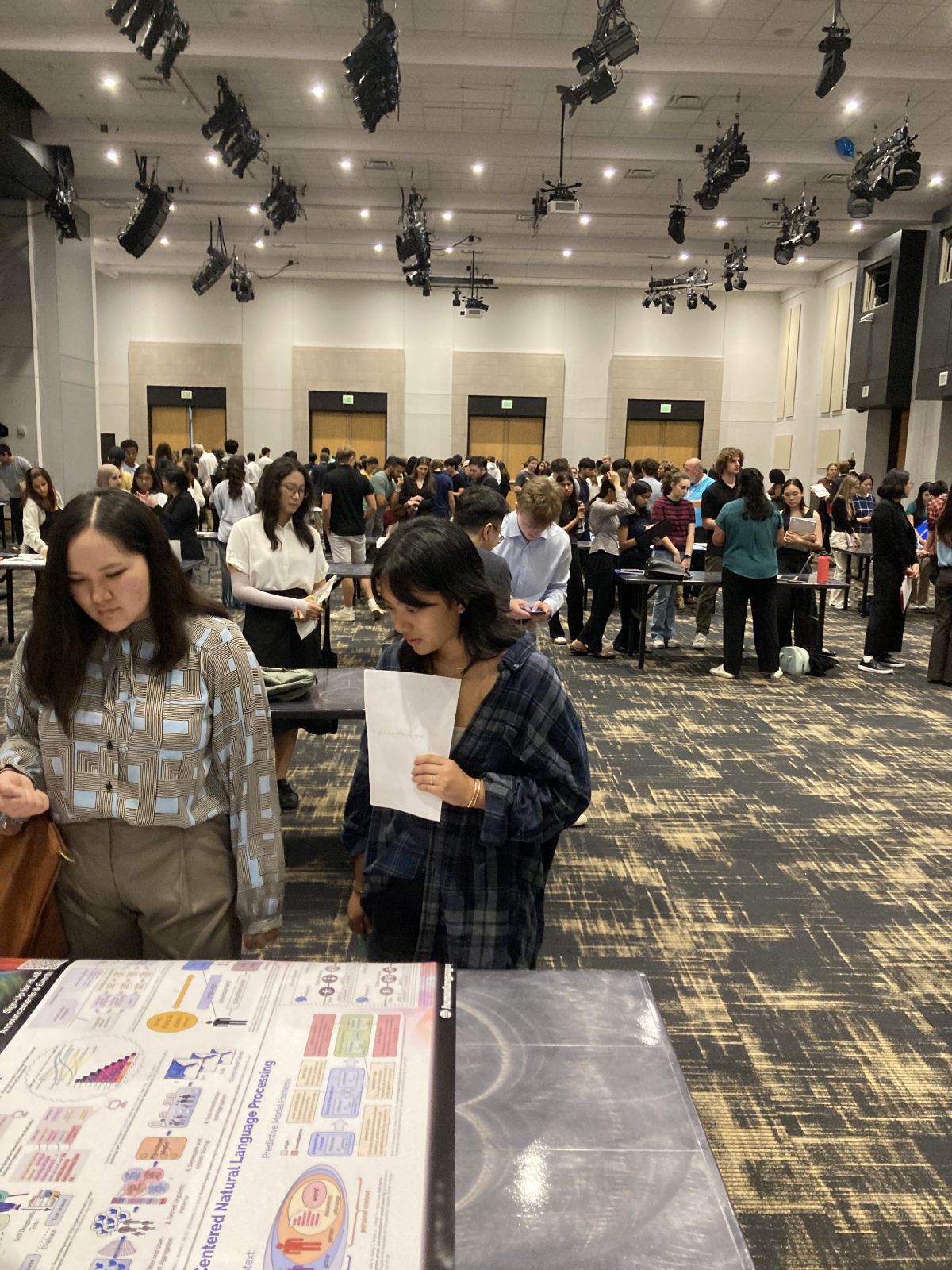
“There’s this story that AI is just programmers programming, and there is a lack of human understanding. That’s really not the case,” Schwartz said. “But it is the case that the models are learning from data in the world, and the way they’re learning is not the same way people learn—it does not have the same sort of social processes.
I hope to teach students who think ‘the technical side is not for me,’ or ‘it’s too mathematical’ that there’s still a lot that you can benefit from by understanding how these models work. We need people in social sciences to get involved. I think then you can make more actionable changes to how these models are built.”
- Sign up for the Vanderbilt Research newsletter.
- Learn more about HLAB and subscribe to the events email list.
- Read more Research Sparks stories.
- Learn more about the College of Connected Computing.
- Keep up with the latest news from the College of Connected Computing.