Year: 2020
-

Rewriting the evolution of complex software systems
All software is not created equal. At one end are apps on a smartphone and consumer-facing programs for which periodic updates to fix bugs and security issues are routine, like replacing an air conditioning filter or getting an annual flu shot. At the other end are large, complex software systems such as software used in... Read MoreAug 20, 2020
-
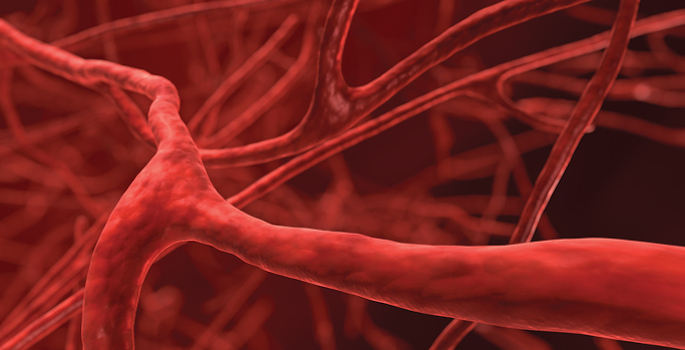
A “torque” for tumor blood vessels
Vanderbilt scientists have discovered a new target for normalizing tumor blood vessels to improve cancer immunotherapies. Read MoreAug 20, 2020
-
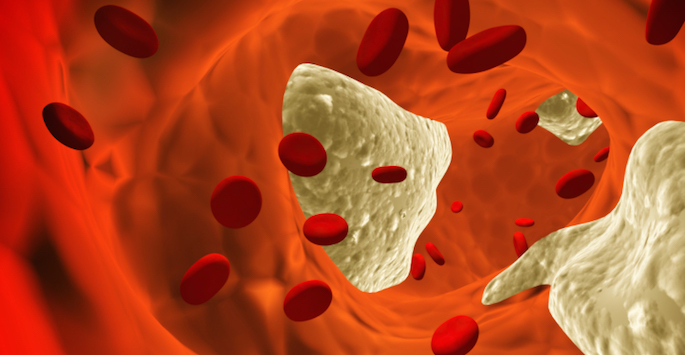
‘Scavenger’ molecule may point to new atherosclerosis treatment
A small-molecule “scavenger” that reduces inflammation and formation of atherosclerotic plaque in blood vessels in mice potentially could lead to a new approach for treating atherosclerosis in humans, according to researchers at Vanderbilt University Medical Center. Read MoreAug 20, 2020
-
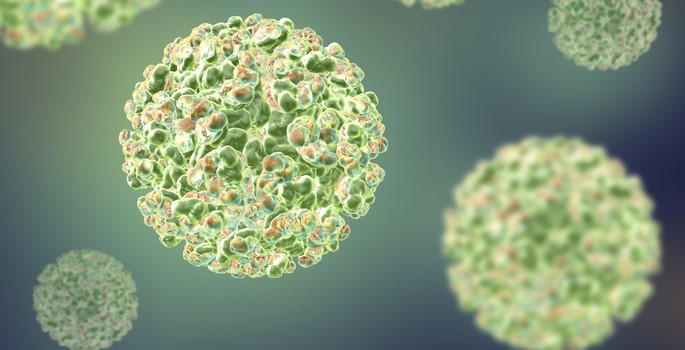
Study identifies antibodies that block alphaviruses
Researchers at Vanderbilt University Medical Center have identified antibodies that, in animals, block infection by alphaviruses, which can cause chronic and debilitating joint pain and arthritis and are an increasing global health concern. Read MoreAug 20, 2020
-
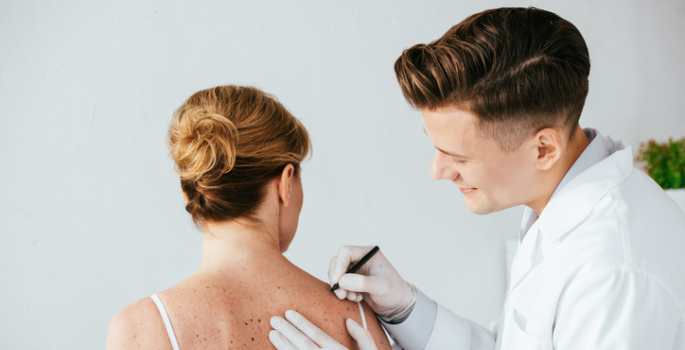
A potential new targeted therapy for metastatic melanoma
While 60 percent of people with metastatic melanoma, an aggressive type of skin cancer, have multiple treatment options available to them, roughly 40 percent either do not respond to treatment, or relapse. Read MoreAug 19, 2020
-

Cashew shell compound appears to mend damaged nerves
In laboratory experiments, a chemical compound found in the shell of the cashew nut promotes the repair of myelin, a team from Vanderbilt University Medical Center reported Aug. 17 in the Proceedings of the National Academy of Sciences. Read MoreAug 17, 2020
-
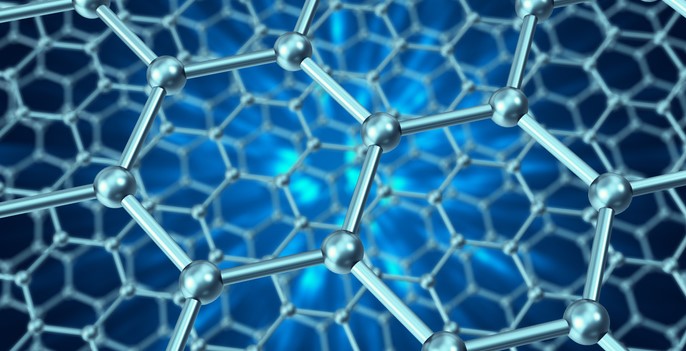
Engineers develop better graphene sieve that could advance clean water efforts
Developing atomically thin graphene membranes used to separate salt from water is extraordinarily complex and the effort grows more crucial as population growth, industrialization and climate change strain freshwater resources. Vanderbilt engineering researchers report a breakthrough in scalable fabrication of graphene membrane with a sealing technology that corrects variations in the pore size so they... Read MoreAug 14, 2020
-

Does named Fellow of International Society for Magnetic Resonance in Medicine
Mark Does, professor of biomedical engineering has been selected as a Fellow of the International Society for Magnetic Resonance in Medicine. His research program focuses on developing and applying MRI methods to quantitatively characterize various properties and/or compositions of tissue. It includes developing models of nuclear magnetic resonance relaxation and water diffusion in tissue, development... Read MoreAug 11, 2020
-

Risk marker for repeat sinus surgery
An inflammatory factor in mucus could be a biomarker of treatment-resistant chronic sinusitis used to determine which patients are at risk for repeat sinus surgery. Read MoreAug 11, 2020
-

Duvall named Fellow of the Biomedical Engineering Society
Craig Duvall, Cornelius Vanderbilt Professor of Engineering, has been elevated to the rank of Fellow of the Biomedical Engineering Society. Duvall and his research program focus on development of technologies for controlled drug release, tissue regeneration and therapeutics, and delivery of intracellular-acting biologic drugs such as siRNA and peptide therapeutics. The applications of these technologies... Read MoreAug 10, 2020
-

Miscarriage risk increases each week alcohol is used in early pregnancy
Each week a woman consumes alcohol during the first five to 10 weeks of pregnancy is associated with an incremental 8% increase in risk of miscarriage, according to a study published this week by Vanderbilt University Medical Center researchers. Read MoreAug 10, 2020
-

A step toward cancer prevention
A computational technique that combines the effect of multiple genomic variants has the potential to identify high-risk individuals for cancer prevention. Read MoreAug 10, 2020
-

ID of ‘stomach flu’ culprit
Identifying the norovirus genotypes associated with more severe infections in children could guide strain selection for candidate norovirus vaccines. Read MoreAug 6, 2020
-
Vanderbilt experts available to comment on back-to-school trends
As schools nationwide prepare for the new academic year during the COVID-19 pandemic, faculty researchers from Vanderbilt University’s Peabody College of education and human development are available to comment on trends in K-12 and higher education. Read MoreAug 6, 2020
-

The importance of estrogen cycles
Deborah Lannigan and colleagues identify a key regulator of the estrogen receptor and suggest that its downregulation by oral contraceptives may increase oxidative stress and DNA damage, a common cause of cancer. Read MoreAug 6, 2020
-

Appendix cancer survival in young patients varies by race: study
Appendiceal cancer — cancer of the appendix — is a rare malignancy that is usually found during surgery for acute appendicitis. Although the rate of appendectomies has been stable over the last two decades, the incidence of malignant appendiceal cancer increased 232% in the United States. Read MoreAug 6, 2020
-
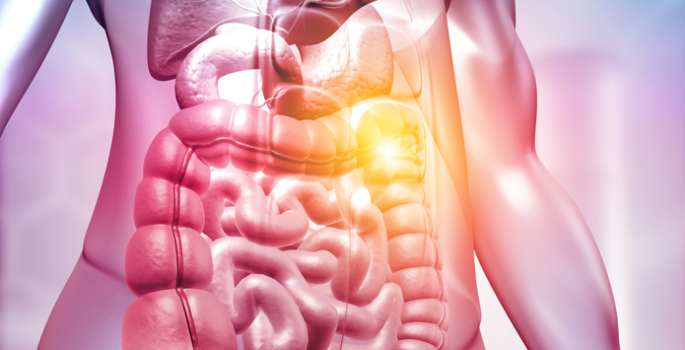
Study gauges specific site stomach cancer risks among ethnic groups
Non-white Americans, especially Asian Americans, are at disproportionately higher risk for gastric cancer compared to non-Hispanic white Americans. A new study breaks down this risk according to specific ethnicities and locations within the stomach. Read MoreAug 6, 2020
-

Team to create customizable cochlear implant programming
A team of Vanderbilt University and Vanderbilt University Medical Center researchers has received a $3.1 million National Institutes of Health (NIH) grant to develop advanced, patient-specific cochlear implant stimulation models for customized implant programming. Read MoreAug 6, 2020
-
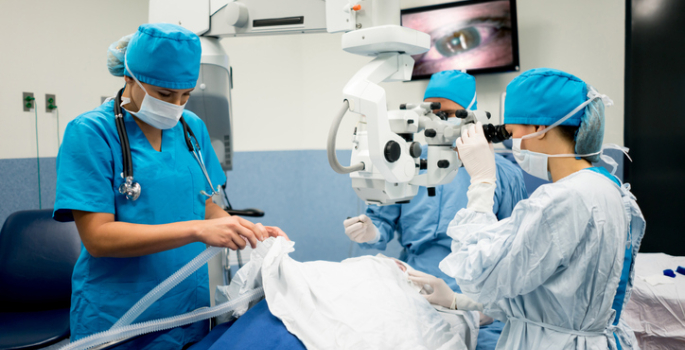
Vanderbilt researchers receive $1.4 million grant to improve outcomes after macular hole repair
Researchers from Vanderbilt University and Vanderbilt University Medical Center have received a $1.4 million grant from the National Eye Institute at the National Institute of Health to identify surgical techniques that improve vision after macular hole repair. Read MoreAug 6, 2020
-

Turning Heads: The Vanderbilt Brain Institute has emerged as a hub of discovery as neuroscience’s influence expands
The VBI recently marked its 20th anniversary, a span that has seen the institute’s wide-ranging missions—including administering the university’s Neuroscience Graduate Program, as well as postdoctoral training and community outreach—steadily coalesce under a single umbrella. Read MoreAug 5, 2020