Year: 2017
-

Digestive Disease Research Center lands major grant
The Vanderbilt Digestive Disease Research Center (VDDRC) celebrates its 15th anniversary this year with a third consecutive five-year renewal of its federal research grant. Read MoreJan 19, 2017
-
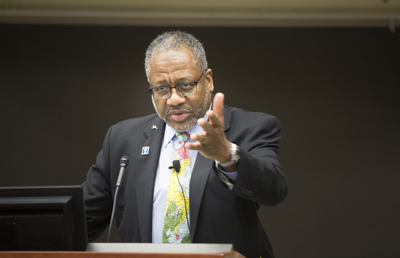
MLK lecturer sees teamwork as crucial to health care diversity
David Gordon, M.D., dean of the University of Akron College of Health Professions, gave the 2017 Martin Luther King Jr. Commemorative Lecture on Monday at Vanderbilt, touching on the theme of teamwork as it relates to health care diversity. Read MoreJan 19, 2017
-

Surprising finding by VU team sheds light on fibrotic disease
Integrins are membrane proteins made up of combinations of different “alpha” and “beta” subunits that enable cells throughout the body to interact with their surroundings. Read MoreJan 19, 2017
-
COX-2 ‘conjugate’ may slow growth of some tumors: study
More than a decade after the anti-inflammatory drugs Vioxx and Bextra were pulled from the market because of a heightened risk of heart attack and stroke in some patients, COX-2 inhibitors may be on the verge of a comeback, this time as anti-cancer agents. Read MoreJan 19, 2017
-
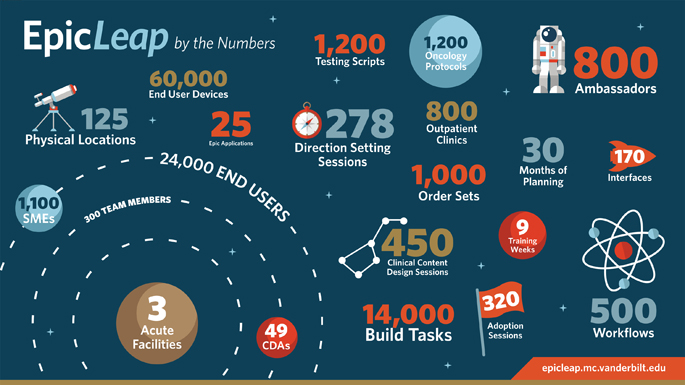
Newly available infographic shows vast scope of EpicLeap program
“EpicLeap by the Numbers” is a recently created infographic that gathers, in one place, an array of data points that demonstrate the remarkable magnitude of the EpicLeap program. Read MoreJan 19, 2017
-
Study to track diabetes drug’s ability to also treat asthma
Investigators in the Division of Allergy, Pulmonary, and Critical Care Medicine and the Division of Diabetes, Endocrinology, and Metabolism recently received a $1.25 million grant from the National Institute of Allergy and Infectious Diseases. Read MoreJan 19, 2017
-

Garraway creates scholarship in honor of Levi Watkins Jr.
Annie Marie Garraway, Ph.D., has created the Levi Watkins Jr., M.D. Scholarship in honor of her late brother, Levi Watkins Jr., M.D. Read MoreJan 19, 2017
-

Metastatic pancreatic cancer ‘reprograms’ for malignancy
Metastatic pancreatic cancer — cancer that has spread from the pancreas to other tissues and is responsible for most patient deaths — changes its metabolism and is “reprogrammed” for optimal malignancy, according to new findings reported Jan. 16 in Nature Genetics. Read MoreJan 19, 2017
-

GRE may be poor predictor of science success: study
Since it was created in 1949, the Graduate Record Exam (GRE) has been one of the most widely used requirements for admission to U.S. graduate schools. As a predictor of performance and success in graduate school, however, the exam is not without its critics. Read MoreJan 19, 2017
-

Amount of daylight may impact serotonin programming
The duration of exposure to daylight, or the “photoperiod,” may affect development of seasonal affective disorder by programming serotonin neurons in the brain, according to Vanderbilt University researchers. Read MoreJan 19, 2017
-
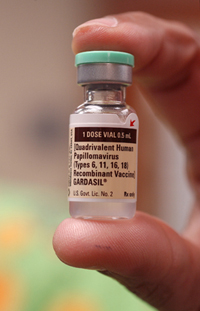
Vanderbilt-Ingram Cancer Center supports national HPV vaccination efforts
Nearly 39,000 new cancers associated with the human papillomavirus (HPV) will be diagnosed in the United States this year. Although HPV vaccines can prevent the majority of these cancers, vaccination rates remain low across the country. Read MoreJan 17, 2017
-

A heart-brain connection
Cognitive and attention deficits observed in children following surgery before age 5 to repair congenital heart defects likely will persist into their teens and young adulthood. Read MoreJan 17, 2017
-
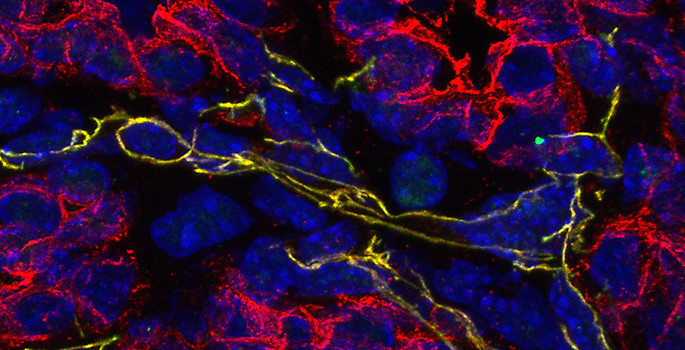
Softening tumor tissue could aid cancer treatments
Tumors cause the intracellular material surrounding them to stiffen. Softening this protective layer could make existing cancer treatments more effective, according to new research. Read MoreJan 16, 2017
-

Access to health care strengthens communities: Vanderbilt study
A new study shows that access to health insurance can help hold a community together socially, and lack of it can contribute to the fraying of neighborhood cohesion. The study, Beyond Health Effects? Examining the Social Consequences of Community Levels of Uninsurance Pre-ACA, published by the… Read MoreJan 16, 2017
-

Vanderbilt experts can talk about inauguration and transition
President-elect Donald Trump will be inaugurated Jan. 20. Several Vanderbilt professors have opinions about the inauguration and transition. Read MoreJan 12, 2017
-
Vigil Volunteers program expanding to Medical ICU
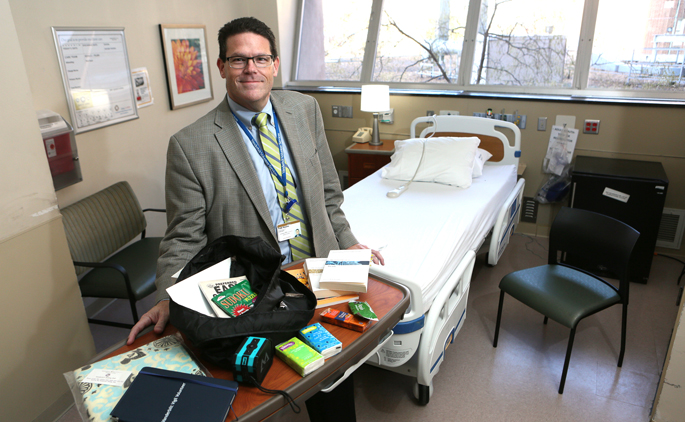
After a successful 2016 pilot in the 16-bed Palliative Care Unit, the Vanderbilt Vigil Volunteers (V3) program — which pairs a volunteer with dying patients who either have no known family or friends, or whose family and friends are unable to be with them — is expanding into the Medical Intensive Care Unit (MICU) in early 2017. Read MoreJan 12, 2017
-

Lindsley’s drug discovery efforts land ASPET Award
Craig Lindsley, Ph.D., a leader of Vanderbilt University School of Medicine’s groundbreaking drug discovery program, is the 2017 recipient of the Pharmacia-ASPET Award in Experimental Therapeutics from the American Society for Pharmacology and Experimental Therapeutics (ASPET). Read MoreJan 12, 2017
-

Morton to help lead blood disorders treatment efforts
Colleen Morton, M.D., has joined Vanderbilt University Medical Center (VUMC) as section chief of Classical Hematology, a specialty also known as “benign hematology” because it covers all blood disorders that are not cancer. Read MoreJan 12, 2017
-

Denny named to list of top experts in health information technology
Joshua Denny, M.D., M.S., professor of Biomedical Informatics and associate professor of Medicine at Vanderbilt, has been named to an annual list of the 50 leading experts in health care information technology by Health Data Management, a trade news publication. Read MoreJan 12, 2017
-
Team’s discovery offers new insight on lung cancer risk
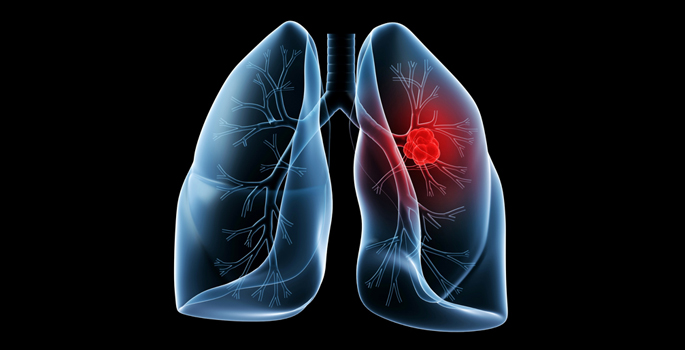
Researchers in the Schools of Medicine and Engineering at Vanderbilt University have discovered a proteomic “signature” from the airways of heavy smokers that could lead to better risk assessment and perhaps new ways to stop lung cancer before it starts. Read MoreJan 12, 2017