






HIV infection is the strongest risk factor for tuberculosis and has fueled a resurgence of the potentially deadly lung disease, especially in sub-Saharan Africa.
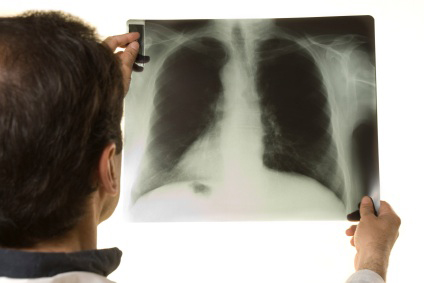
Now a meta-analysis conducted by an international research team including Timothy Sterling, M.D., professor of Medicine in the Division of Infectious Diseases, has shown that anti-retroviral therapy (ART) can prevent tuberculosis, even when initiated in persons with early-stage, less-advanced HIV disease.
A meta-analysis is a systematic method of evaluating and integrating statistical data from several independent studies of the same problem.
Considering that 24 percent of all tuberculosis deaths worldwide in 2010 – 350,000 – occurred in HIV-infected people, this finding has significant implications for global and national TB control strategies, the researchers concluded. The findings support earlier initiation of ART – that is, at higher CD4+ lymphocyte counts.
This study, led by Amitabh Suthar of the World Health Organization’s Division of HIV/AIDS, compared TB incidence in HIV-infected adults in developing countries with varying CD4 counts at the time they began ART. Results were published July 24 in the journal PLoS Medicine.